
Welcome to runnit.co
Unleash Your Power, Redefine Your Limits
Most fitness advice is built for one type of athlete. Runnit covers the overlap – strength, endurance, nutrition mobility, and recovery for people who do all of it.
Runnit.co is dedicated to high-performance fitness, specializing in hybrid athletic training, minimal equipment programming, nutrition and joint longevity. We debunk the myth that athletes must choose between raw strength and elite cardiovascular capacity by providing a science-backed, data-driven framework for modern physical performance.
This platform is for competitive endurance athletes, functional fitness competitors, home gym minimalists, and busy professionals who demand maximum physical results without burning out.
Visitors can expect to find expert-guided programming templates that systematically balance heavy barbell compounds with progressive energy-system training. We deliver comprehensive, actionable blueprints to master bodyweight manipulation, optimize targeted mobility protocols to stay entirely injury-free, and leverage practical, sport-specific nutritional strategies designed to unlock your absolute multi-sport potential.
Hybrid Athletic Training
Balanced multi-discipline programs that merge strength, endurance, and functional athleticism into one system.
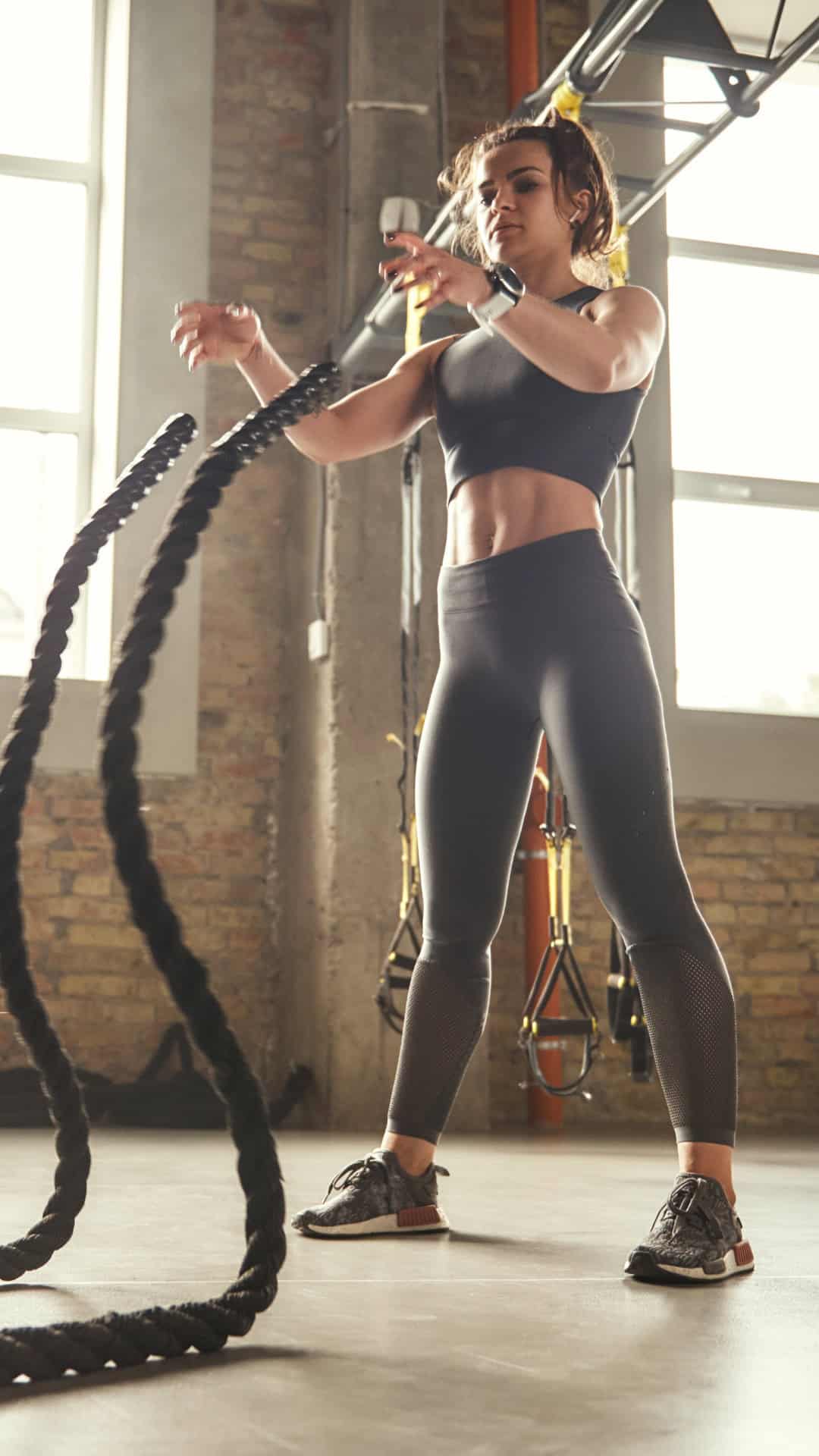
Minimal Equipment Workout
High-efficiency training routines designed to build strength and conditioning anywhere, with limited gear.

Mobility & Recovery
Targeted movement and restoration protocols that enhance joint health, reduce injury risk, and accelerate repair.

Nutrition
Nutritional strategies that support serious athletic performance across strength, endurance, and recovery.

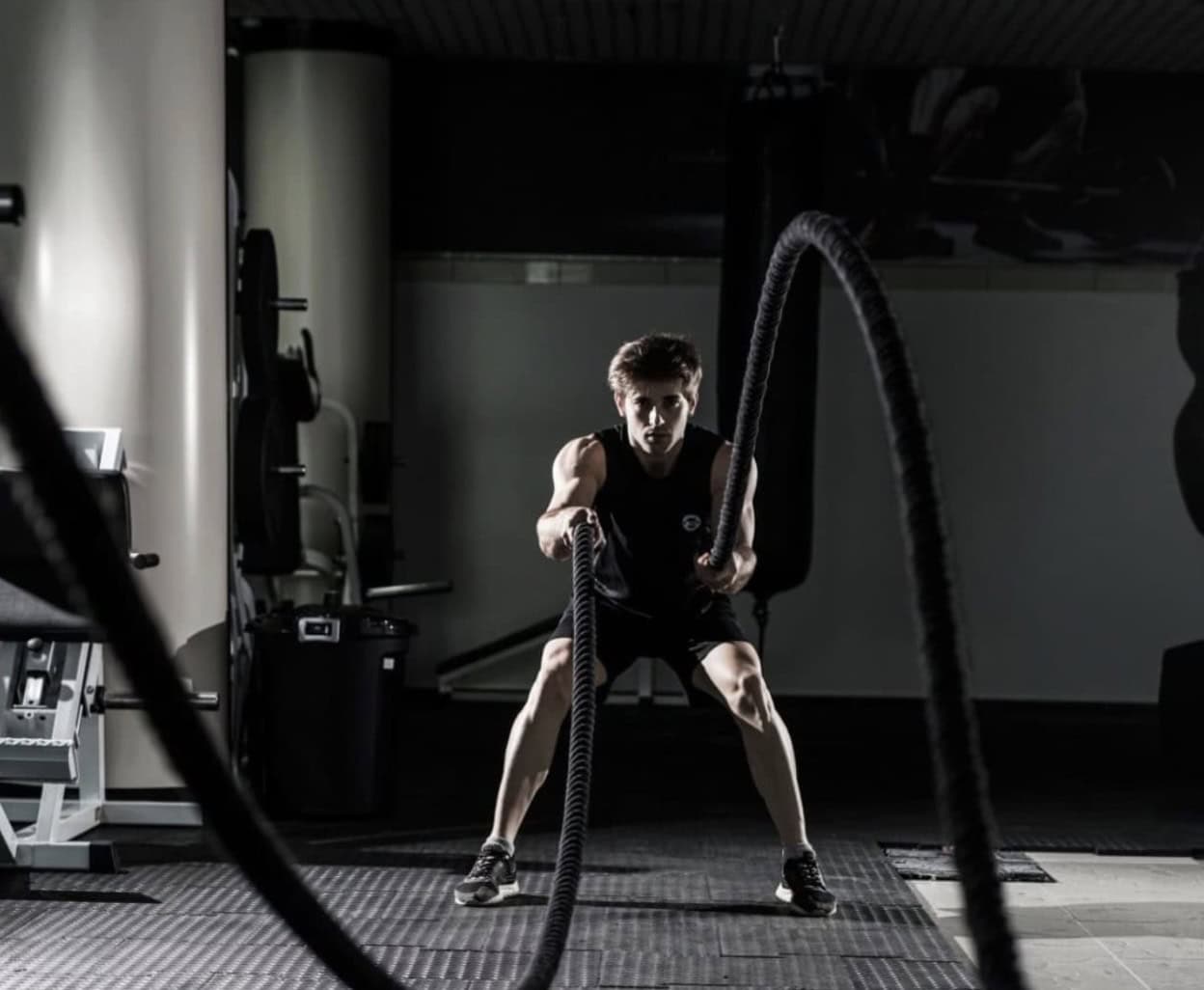
Runnit.co is built around one goal: helping hybrid athletes get stronger without giving up their engine, and build a bigger engine without losing strength. Every guide on this site falls under one of four training pillars that work together to get you there.
Here’s what each pillar covers:
-
Hybrid Athletic Training: Programming that lets you train strength and endurance in the same week without one wrecking the other, built for HYROX and CrossFit athletes chasing both.
-
Minimal Equipment Workouts: Progressive strength and calisthenics templates that work with a barbell, a pair of dumbbells, or just your bodyweight, built for home gyms and travel.
-
Mobility & Recovery: Joint-friendly mobility work and recovery protocols that keep you training instead of sidelined by nagging injuries.
- Nutrition: Evidence-based eating strategies for athletes who train hard across multiple disciplines — protein timing, creatine, carbohydrate loading, and the supplement advice that is actually backed by research.
Post from our head coach – Chloe Mercer – Neuro-Structural Biomechanics & Athletic Longevity
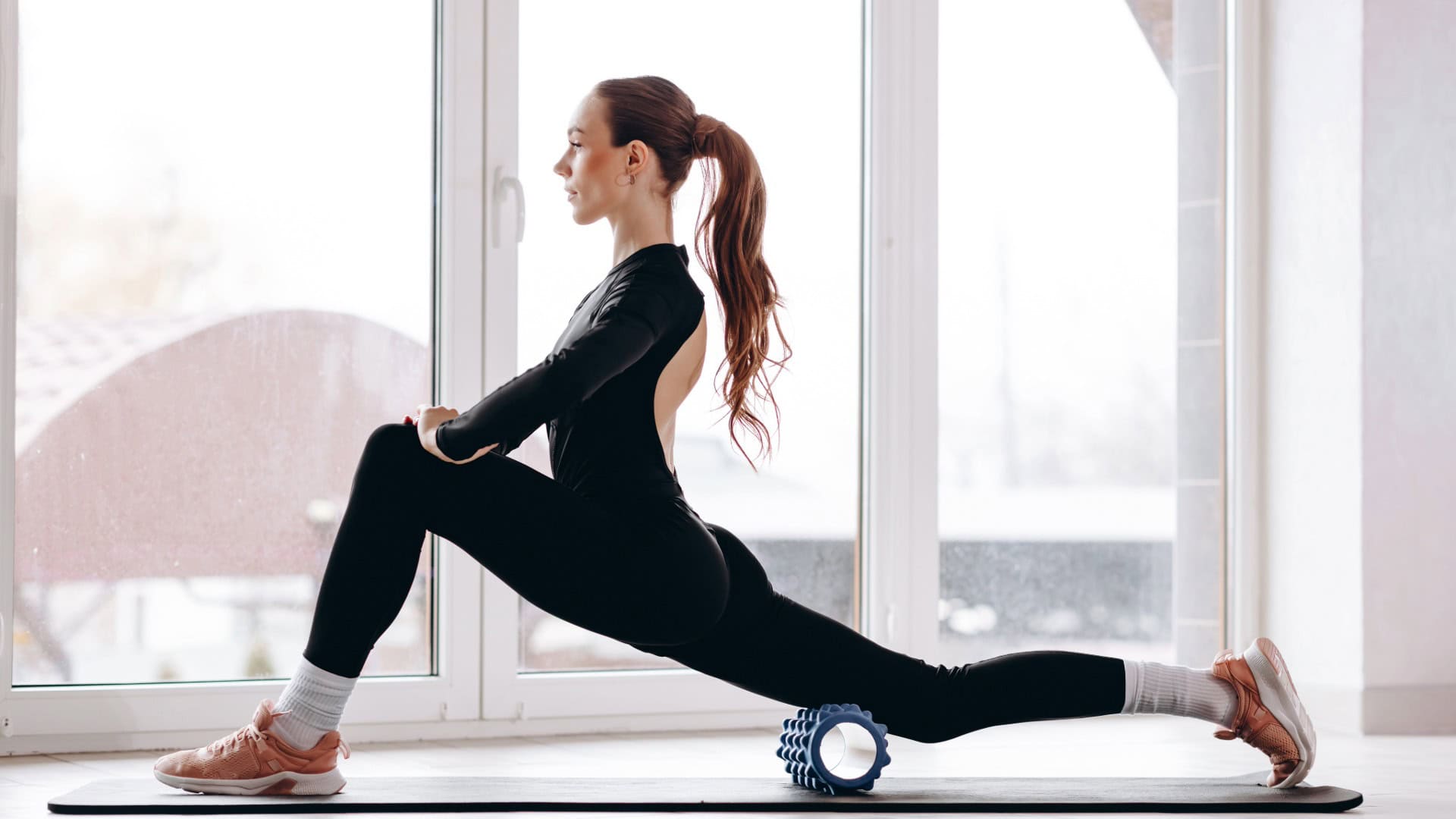
Recovery Techniques Compared: What Active vs Passive Recovery Actually Does for Your Muscles
Spend a few minutes on fitness social media and you will find a pile of conflicting advice about recovery. One person swears a cold plunge is the only thing that matters. Another insists a slow yoga flow is the real secret. Most people end up picking whichever one…

Home Workout Results: Do Minimal Equipment Workouts Really Compare to the Gym?
For decades, the default advice for getting in shape was the same: sign up for a gym membership. We have been conditioned to believe real physical change requires a monthly subscription, a room full of machines, and a rack of heavy plates. That belief is being tested….

The Best Room Workout for Travel and Small Spaces
Whether you are traveling for work, staying somewhere remote, or just living in a small apartment, keeping up a training routine can feel impossible. Hotel gyms are hit or miss, often just a treadmill and a few mismatched dumbbells, and a tiny room does not leave much…
about us
Runnit.co is written by people who train this way themselves: testing hybrid programming, mobility work, nutrition and recovery protocols before writing about them. We’re not a clinic, a gym, or a coaching service, we’re a small group who cares enough about getting the training right that we try it ourselves first. That’s the standard behind every guide on this site: does it actually hold up in practice, not just how it reads on paper.
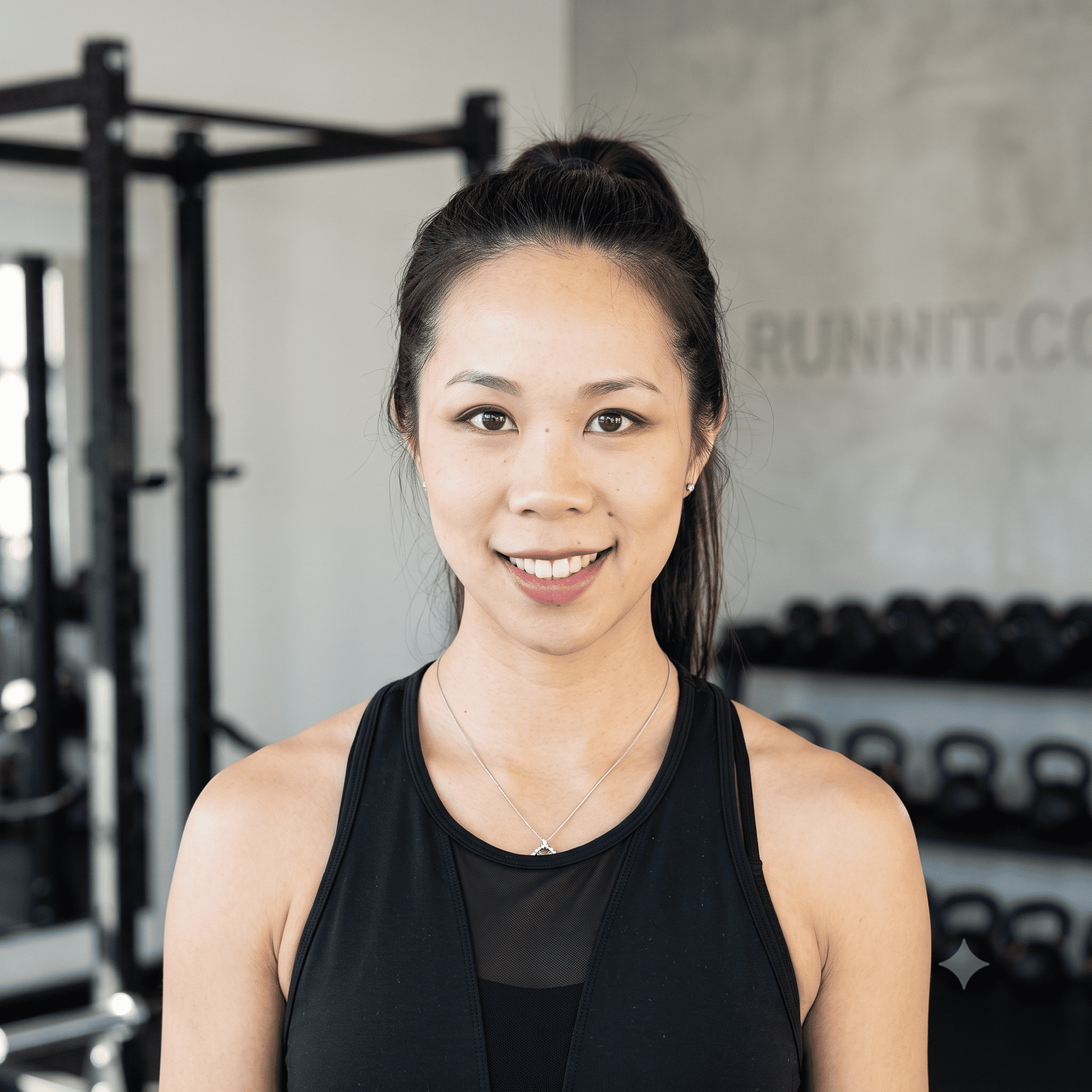
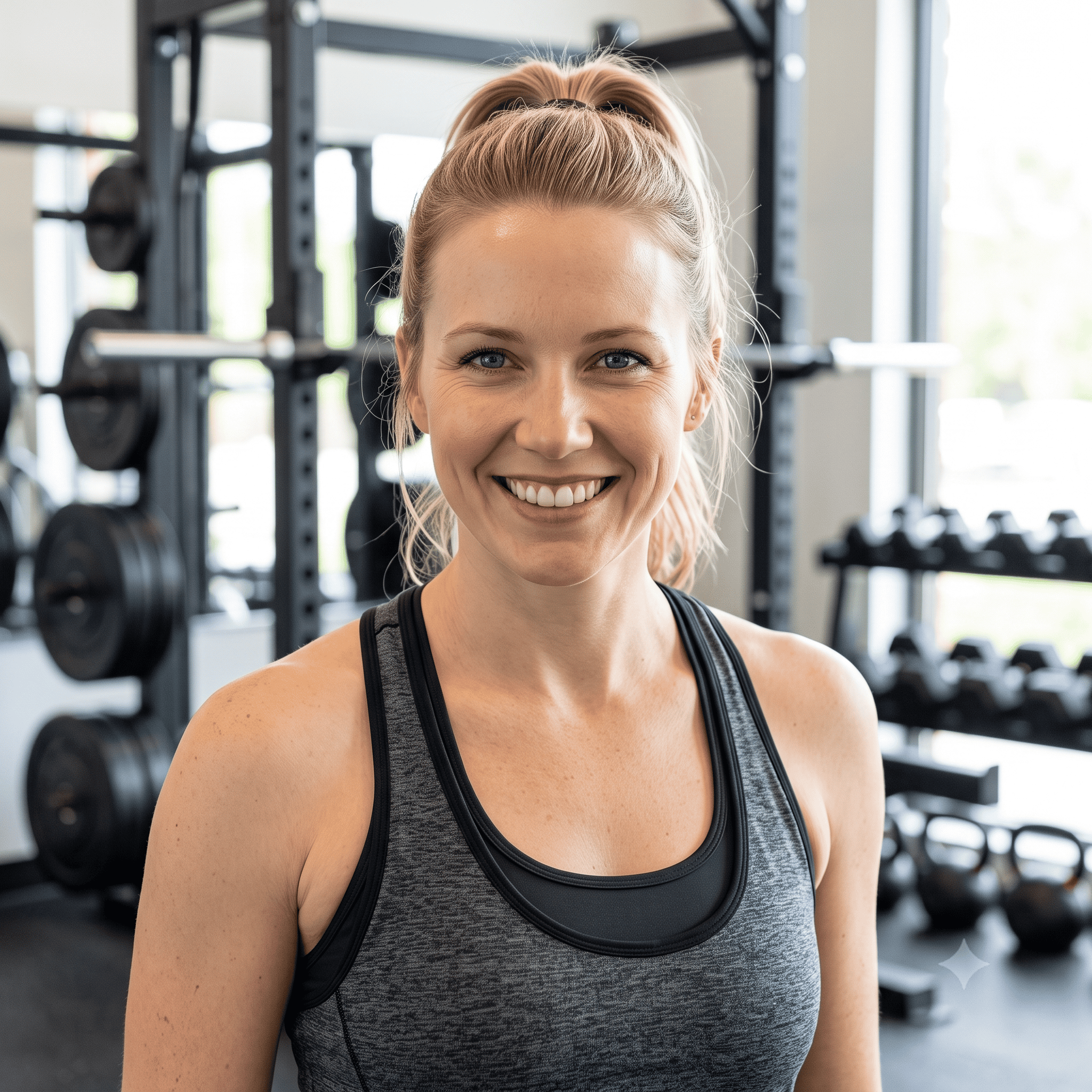
Our coaching team brings the credentials to back that standard up. Chloe leads with a background in neuro-structural biomechanics, Maya and Valerie bring years of hands-on strength and conditioning coaching, and Savannah covers the endurance and metabolic side. Between us, we’ve competed, coached, and rehabbed our own injuries, so the guides here come from lived experience, not just research pulled off a shelf. We revisit older posts whenever the science moves or our own training turns up something new, and every piece gets a second set of eyes before it goes live. If a workout, a drill, or a nutrition strategy doesn’t earn its place here, we don’t publish it.
Maya & Valerie
Runnit’s writers each focus on a different piece of the training puzzle. Chloe covers mobility and movement, working through the joint health side of heavy training. Maya and Valerie cover the strength and conditioning side, concurrent programming and progressive overload, testing what they write about in their own training first. Together they cover the full picture: strength, endurance, and the mobility work that lets you keep doing both.
Savannah Krestrel
Savannah covers the endurance side: conditioning, pacing, and building an engine that can back up your strength work. Like the rest of the team, she trains this way herself and writes about what actually holds up, not just theory.

Hybrid Athletic Training
Minimal Equipment Workouts
Mobility & Recovery
Nutrition
Why Choose us?
- Real programming, not vague advice
- Strength, endurance, and mobility covered together
- Written and tested by people who train this way themselves
- New guides published every week
- Built for real life: home gyms, travel, and packed schedules
- Programs scale from first-timers to competitive hybrid athletes
- Every protocol backed by exercise science, not trends
- Trusted by athletes training for Hyrox, Crossfit, and beyond
Hybrid Athletic Training
Top NFL Quarterbacks and Their Training Programs
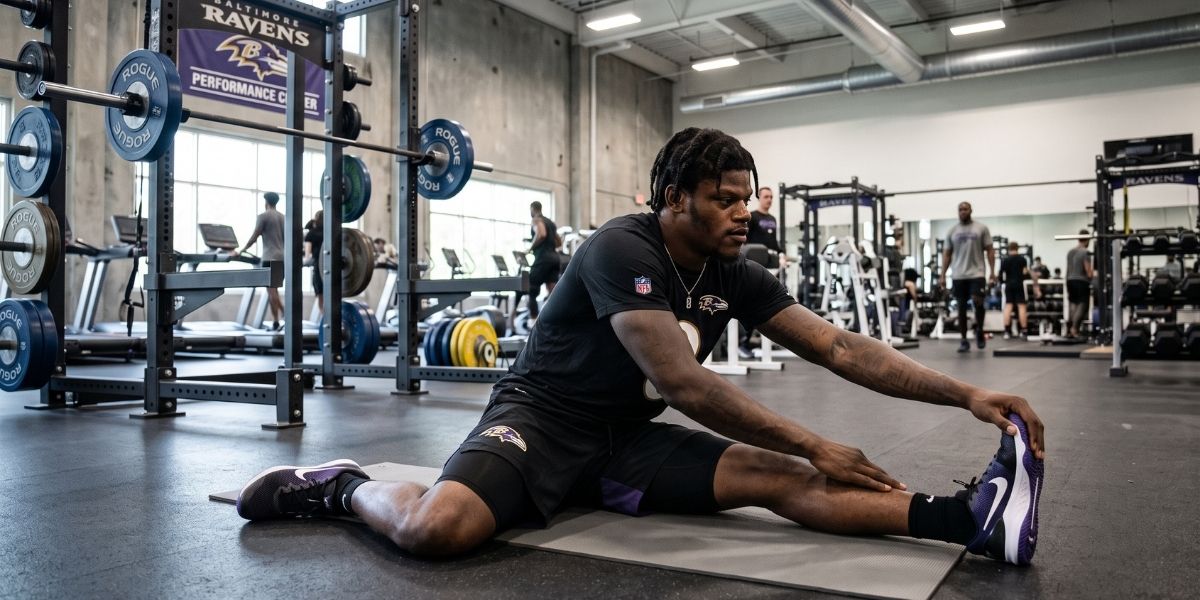
The NFL quarterbacks workout routine has undergone more fundamental change in the last fifteen years than in the previous fifty, and the shift reflects a better understanding of what the position actually demands physically. The old model, heavy lifting to maximize…
How to Start a Workout Plan That You Will Actually Stick To
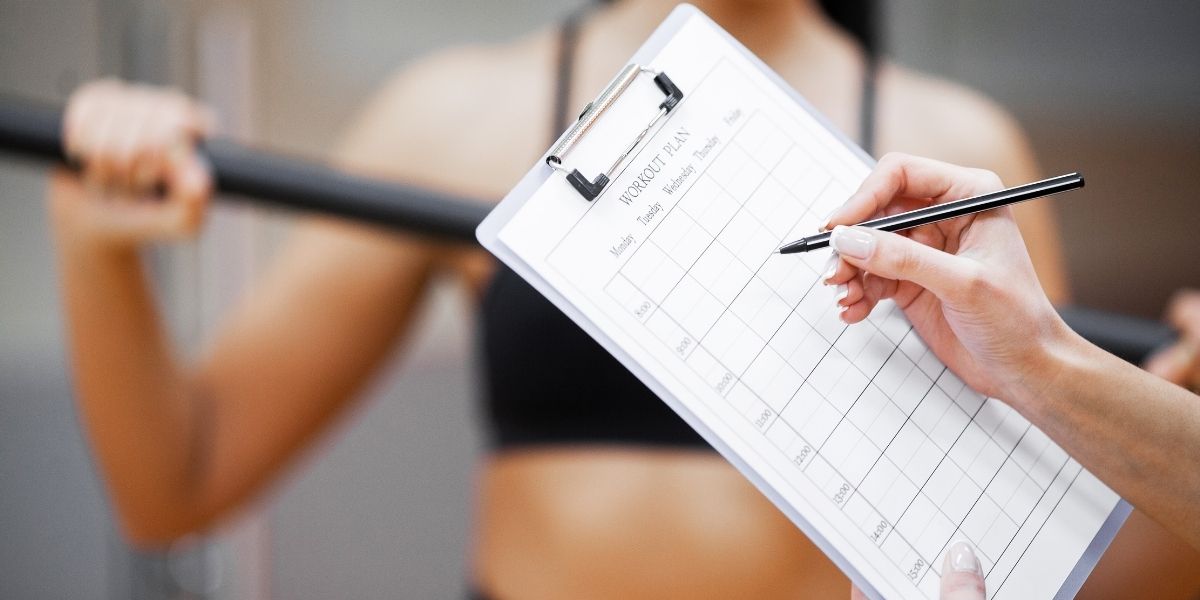
Knowing how to start a workout plan matters more than knowing the perfect program, since the best plan on paper is worthless if it falls apart after two weeks. Start simpler and more sustainable than you think you need to, and build complexity later once consistency…
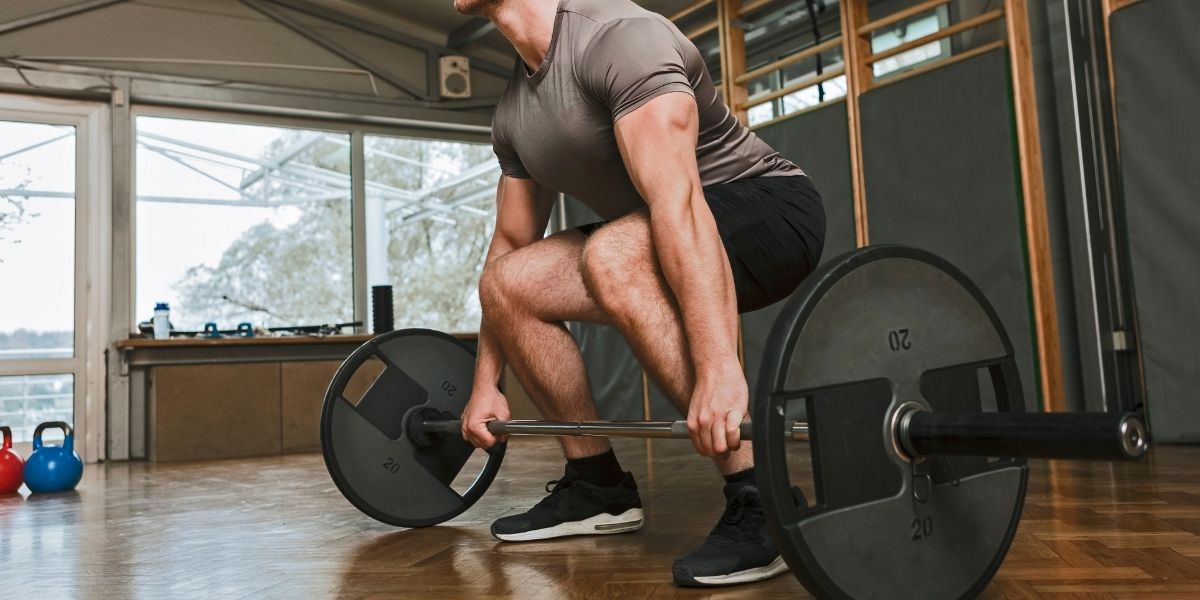
Deadlift Form Cues That Actually Fix Your Pull
Good deadlift form comes down to a handful of repeatable checkpoints rather than dozens of competing cues. Get the setup right, keep the bar close, and brace properly, and most of the common mistakes that lead to injury or a missed lift disappear on their own. This…
trainer’s picks

Is VR Fitness a Legitimate Workout or Just Marketing?
VR fitness is the category that the gaming industry has been trying to make happen since the Wii Balance Board, and the current generation of headsets, led by Meta Quest 3 and the growing library of fitness-specific applications, has produced something that is…
Top NFL Quarterbacks and Their Training Programs
The NFL quarterbacks workout routine has undergone more fundamental change in the last fifteen years than in the previous fifty, and the shift reflects a better understanding of what the position actually demands physically. The old model, heavy lifting to maximize…

High Protein Low Fat Healthy Sweet Treats For Athletes
High protein low fat healthy sweet treats occupy a category that has been badly served by the fitness food industry for decades. The protein bar that tastes like chalk, the protein brownie with the texture of wet cardboard, and the Greek yoghurt parfait assembled…
minimal equipment workouts

Back Workouts That Work Without a Full Gym Setup
The back is one of the muscle groups most people assume requires a gym, cable machines and lat pulldowns specifically, yet back workouts built around a doorway, a resistance band, or a single kettlebell can train the same pulling patterns just as effectively. Back…
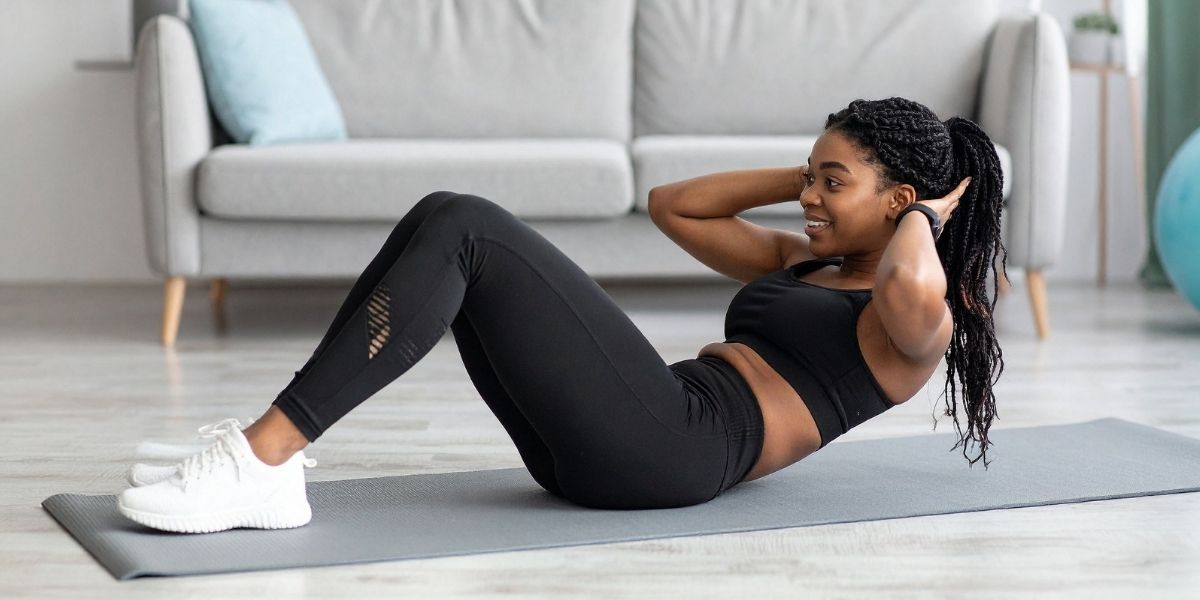
No Equipment Workouts That Actually Build Strength
Training with no equipment does not mean training without intensity. The limitation forces you to get creative with leverage, tempo, and density instead of just adding plates, and for a lot of lifters that constraint actually produces a harder, more honest session…
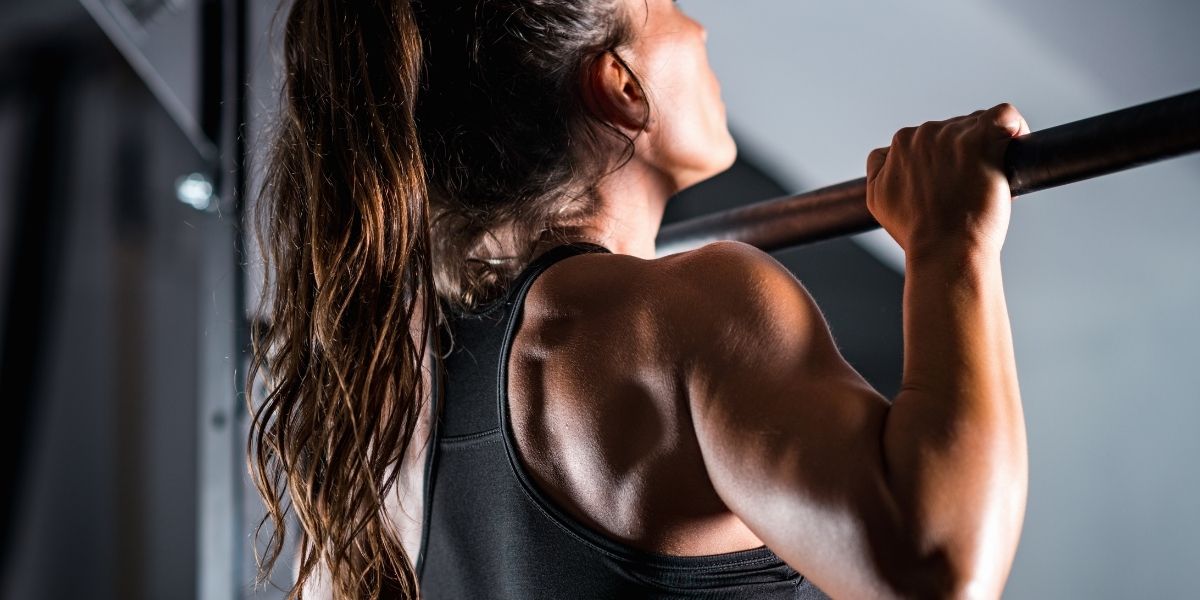
How to Do a Pull-Up: A Progression That Actually Works
The pull-up is one of the clearest tests of relative upper body strength you can run without any equipment beyond a bar. It trains the lats, biceps, rear delts, rhomboids, and midline all at once, and unlike a lot of gym movements, there is no way to fake your way…
mobility and recovery

How to Stretch Before Workouts Without Hurting Performance
Knowing how to stretch before workouts correctly comes down to one key distinction: dynamic movement, not static holding, is what actually prepares your body for hard training. Static stretching has its place, but doing it right before a heavy session can temporarily…
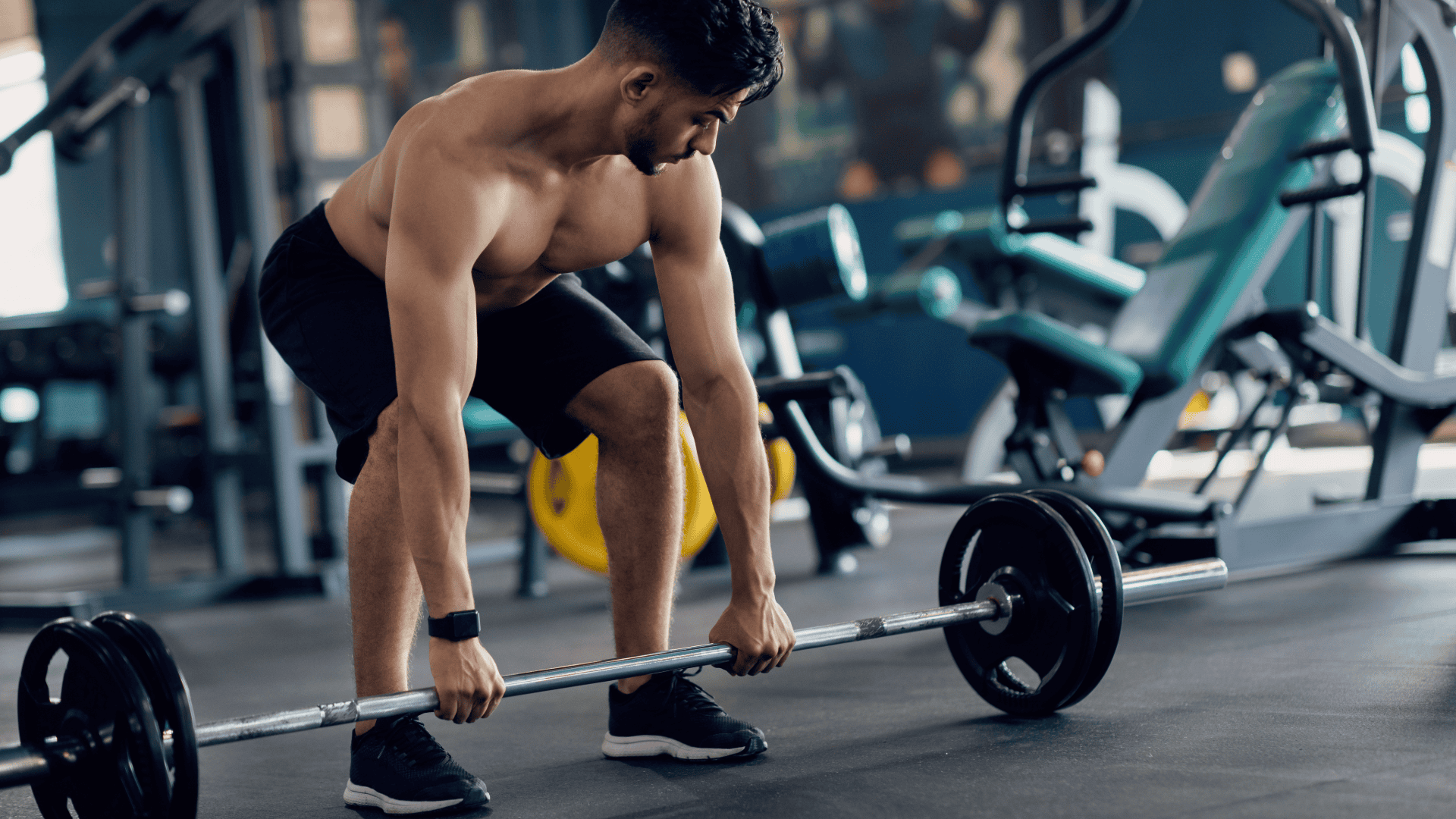
The Overhead Fix: T Spine Mobility to Restore Shoulder Mechanics for Heavy Barbell Positioning
Most dedicated lifting enthusiasts treat poor upper-body positioning as a simple flexibility issue. When their arms struggle to stay locked out directly over their ears during an overhead squat or snatch, they immediately grab a light resistance band and perform…
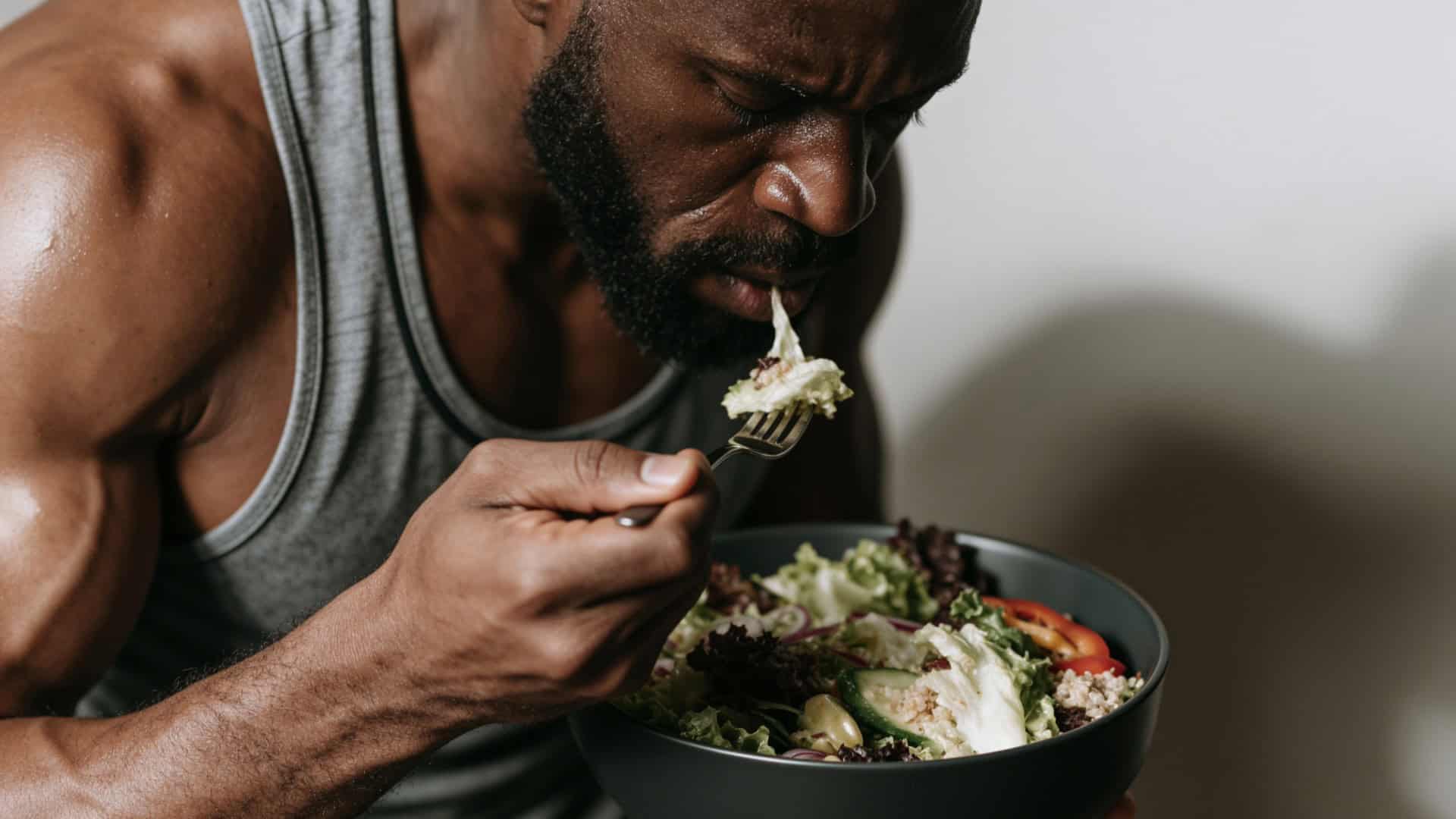
The Hybrid Fueling Protocol: Post Workout Nutrition to Feed Strength and Endurance Simultaneously
Concurrent training punishes sloppy nutrition twice as hard as single modality training does. A pure strength athlete can get away with an inconsistent feeding window because the demand on the system is narrow. A hybrid athlete asking the body to build contractile…
Nutrition

Creatine and Hydration: What Hybrid Athletes Need to Know
Hybrid athletes tend to be more cautious about creatine than pure lifters, and hydration is usually the reason why. Between heavy squat sessions, a structured kettlebell training program, and long runs, the idea of retaining extra water feels like the last thing you…
FAQ
What is Runnit.co and what do you do?
Runnit.co is a digital publication and fitness training platform dedicated to high-performance functional fitness, hybrid athletic programming, and physical longevity. We bridge the gap between academic exercise science and real-world results by providing digital training templates, evidence-based nutritional guides, and deep-dive technical articles designed to help individuals maximize both strength and stamina simultaneously.
How does Runnit.co differ from standard fitness websites?
Unlike generic fitness blogs, Runnit.co is written by people who actually train the way we write about it. Every guide comes from testing the programming ourselves first, treating strength, endurance, and mobility as one connected problem instead of three separate topics. We’d rather hand you something specific enough to actually use than another surface-level list of tips.
How are your training programs and content delivered?
Every guide, programming template, and recovery protocol on Runnit.co is published right here on the site, free to read and follow. No sign-up, no picking a track, just find the article that matches what you’re working on and use it.
Do you offer solutions for home gyms or traveling professionals?
Yes. A core pillar of our business is developing high-density minimal-equipment and bodyweight training templates. We understand that our audience includes busy professionals and home-gym owners who cannot always access a commercial training facility, so we deliberately design scalable tracks that deliver elite physical results using minimal infrastructure.