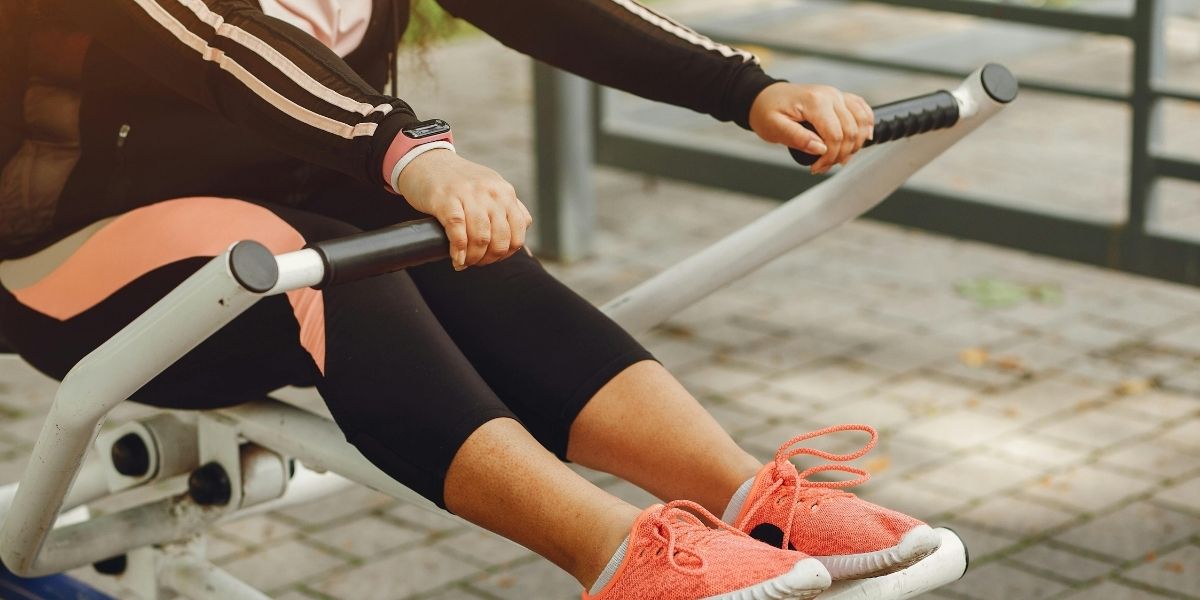
Biceps are one of the more equipment-dependent muscle groups on paper, since direct isolation work traditionally leans on dumbbells and barbells, but bicep workouts built around resistance bands, a single adjustable dumbbell, or even bodyweight leverage can still produce genuine growth and strength.
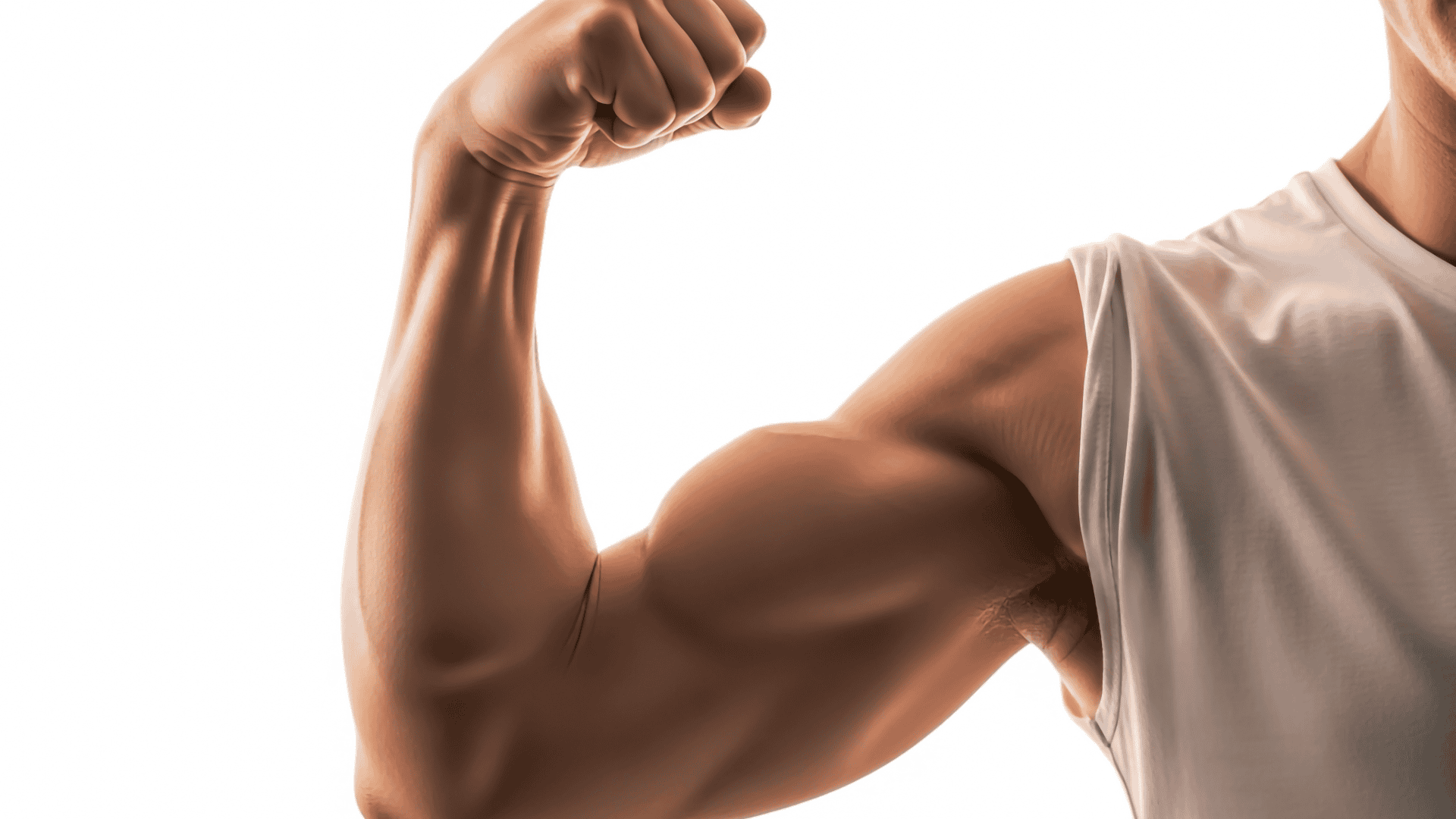
Bicep Workouts: Why Minimal Equipment Works Well
Biceps are a relatively small muscle group that responds strongly to time under tension and controlled movement rather than requiring genuinely heavy loads to grow. This makes them particularly well-suited to minimal equipment training, where a resistance band’s variable tension or a single moderate dumbbell, used with slow, controlled reps, can produce a training stimulus comparable to heavier gym-based work.
Bicep Workouts With Resistance Bands
A resistance band anchored under one foot allows a full range of curling motion with tension that actually increases at the top of the movement, the exact opposite tension curve of a dumbbell, which provides a genuinely different training stimulus rather than simply a lesser substitute. Varying grip width and hand position, palms up for a standard curl, palms facing each other for a hammer-style variation, trains the biceps from multiple angles using nothing more than a single band.
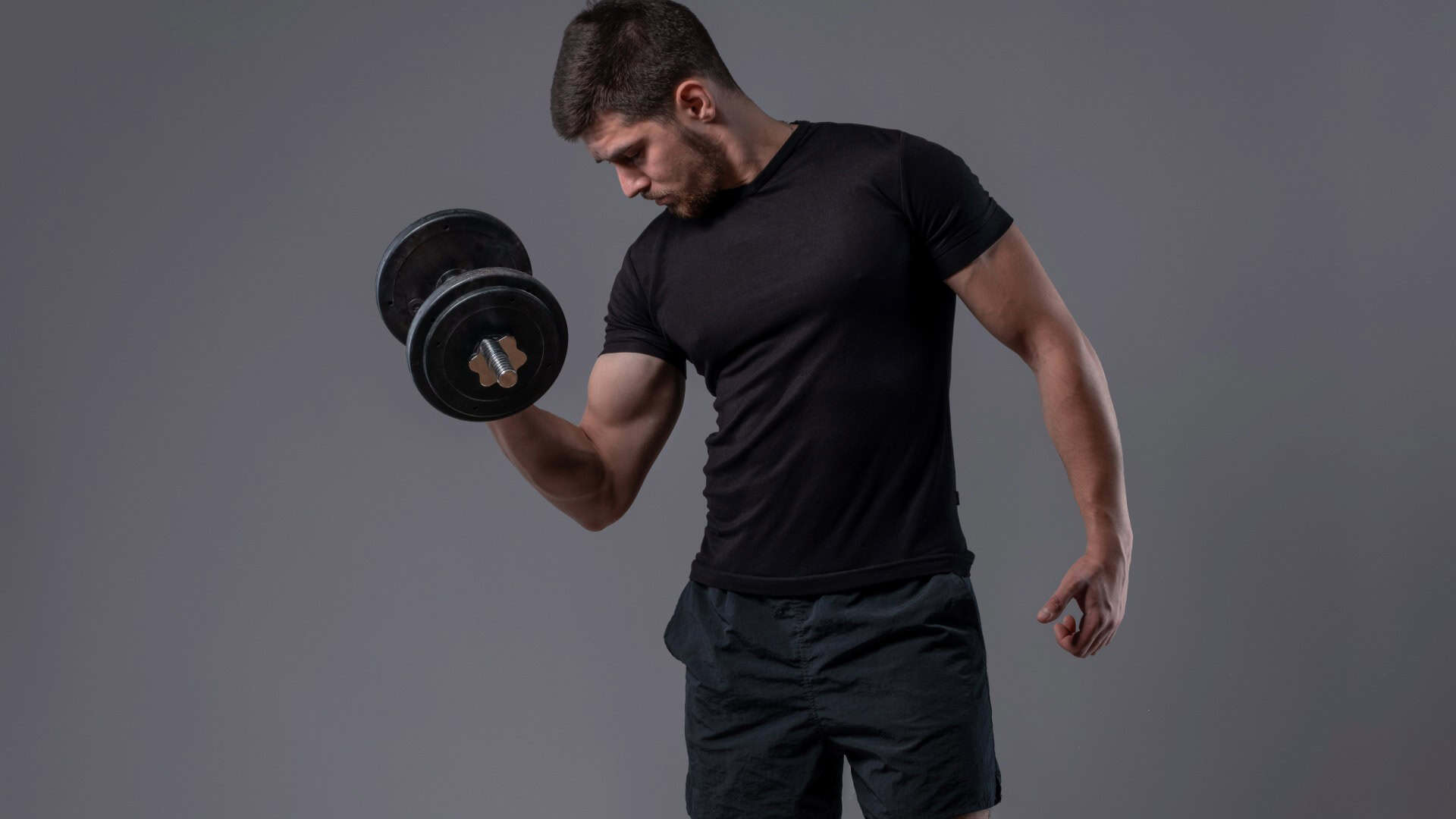
Bicep Workouts: Bodyweight Options Worth Knowing
Chin-ups, the palms-facing-you variation of a pull-up, recruit the biceps considerably more directly than a standard pull-up does, making them one of the most effective bodyweight bicep exercises available. Building toward a full chin-up follows the same progressive logic behind beginner push ups, starting with negatives and assisted variations before attempting a full, strict rep, rather than expecting the movement to appear fully formed on day one.
A Complete Minimal-Equipment Bicep Session
A well-rounded session covers multiple angles: standard band curls for the classic bicep contraction, hammer curls for the brachialis and forearm, and chin-ups or negative chin-ups for a compound pulling movement that heavily involves the biceps alongside the back. Three sets of ten to fifteen reps per movement, performed slowly with a genuine squeeze at the top, builds real strength and visible development over consistent weeks of training.
Progressing Without Adding Weight
Since minimal equipment often means a fixed resistance level, progression comes from other levers: slowing the tempo, particularly the lowering phase, adding a pause at the point of peak contraction, or increasing total volume through additional sets or reps. This mirrors the exact progression logic behind a well-built beginner bodyweight workout, where mechanical and tempo adjustments create genuine progressive overload without ever requiring heavier external load.
Fitting Arm Work Into a Balanced Routine
Biceps should never dominate a training week at the expense of larger, more foundational movement patterns; arm-focused work fits best as a smaller component within a broader, well-rounded bodyweight workout plan, where compound pulling and pressing movements form the foundation and isolated arm work supplements rather than replaces them.
A Word of Caution: Sharp pain at the front of the elbow or along the bicep tendon during curls or chin-ups is a signal to stop and consult a qualified physical therapist or sports medicine professional before continuing. Tendon tissue adapts far slower than muscle does, so progressing tempo and volume gradually matters more for long-term bicep workouts results than chasing heavier resistance too soon.
Bicep workouts genuinely do not require a loaded barbell to build real, visible strength. Resistance bands, chin-up progressions, and disciplined tempo control together provide everything the biceps need to develop meaningfully over consistent training.