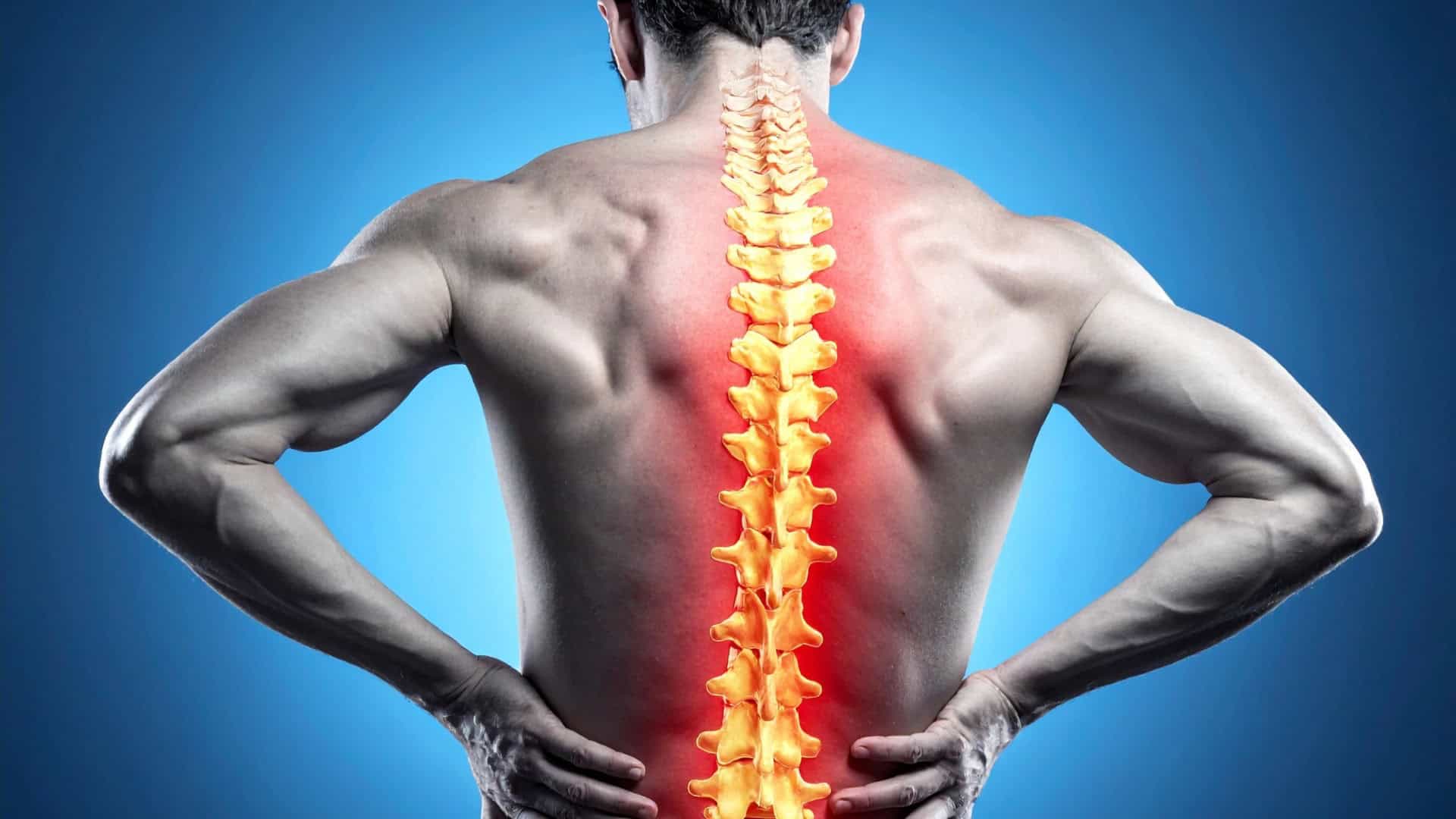
The thoracic spine is built for rotation and extension, twelve segments stacked with rib articulations that should move freely under load. When those segments stiffen, the body does not simply lose range of motion in isolation. It borrows range from the joints above and below to compensate for lost t-spine mobility, and that borrowed motion is rarely paid back without a cost.
The structural bottleneck shows up in two places. Overhead, a stiff thoracic spine forces the glenohumeral joint to complete a reach it was never designed to finish alone, which is where impingement patterns begin. Below, the lumbar spine picks up the rotational and extension demand the mid back refuses to supply, which is where low back pain under rotational load so often originates. Neither joint is the true problem. Both are compensating for a segment that has lost its job description.
This is why knowing how to strengthen thoracic spine function is not optional maintenance, it is the fix that removes the compensatory demand being placed on the shoulder and lumbar spine above and below it. In clinic and on the training floor, I have watched shoulder impingement symptoms resolve within weeks of addressing thoracic extension alone, with zero direct work done on the shoulder itself.
The Science of the T-Spine Matrix
Restoring thoracic function requires understanding three specific mechanisms of joint capsule and regional interdependence, not just stretching the mid back and hoping for the best.
- Costovertebral and costotransverse joint restriction: the ribs articulate directly with each thoracic vertebra, and stiffness at these small joints, not just the vertebral segments themselves, is frequently the true limiter of rotation and extension. Mobility work that ignores the rib cage and targets only the spine misses the primary restriction, and it also limits the rib expansion athletes are counting on when they are working on how to improve your vo2 max through harder aerobic sessions.
- Regional interdependence with the lumbar spine: when thoracic extension is unavailable during overhead reaching or rotational movement, the lumbar spine compensates by hyperextending or over rotating to complete the task. This compensatory pattern, repeated under load, is a well documented contributor to mechanical low back pain that has nothing structurally wrong with the lumbar spine itself.
- Disrupted scapulohumeral rhythm: normal overhead motion requires a coordinated ratio of glenohumeral and scapular movement, and scapular upward rotation depends on adequate thoracic extension as its base of support. Restricted t-spine extension forces the shoulder joint to complete more of the overhead arc on its own, narrowing the subacromial space and increasing impingement risk.

The Performance Template / Protocol
Phase 1: Segmental Range Restoration
- Protocol: Foam roller thoracic extensions, quadruped thoracic rotations, and open book stretches, 3 sets of 8 to 10 controlled reps daily.
- Execution: Move through the rib cage, not just the arms, exhale fully at end range to encourage segmental release.
- Focus: Restore raw passive range at the costovertebral and thoracic segmental level before adding any load.
Phase 2: Loaded Strength Reintegration
- Protocol: Band pull aparts performed with active thoracic extension, kettlebell functional training drills like halos, and loaded thoracic rotations, 3 to 4 sets of 10 to 12 reps.
- Execution: Maintain a stable lumbar position throughout, the rotation and extension should visibly originate from the mid back, not the low back.
- Focus: Teach the newly available range to produce force under light resistance, this is the actual strengthening phase, not just passive stretching.
Phase 3: Full Kinetic Chain Integration
- Protocol: Overhead pressing, rotational medicine ball throws, and compound pulling patterns performed at working loads.
- Execution: Monitor for any return of lumbar hyperextension or shoulder end range pain as loads increase, regress immediately if either appears.
- Focus: Confirm the strengthened thoracic segment holds up under the same loading conditions that originally exposed the restriction.
Tracking and Performance Metrics
| Tracking Metric | Optimal Progress Sign | Failure / Red Flag |
|---|---|---|
| Thoracic Rotation Range (Seated or Quadruped Test) | Progressive increase toward 50 degrees each direction | Stuck below 30 degrees with no change across multiple sessions |
| Overhead Reach Wall Test | Arm reaches the wall with the low back staying flat against the floor | Lumbar spine arches off the floor to complete the reach |
| Loaded Thoracic Rotation Strength | Rotation force increases session to session at the same band tension or load | Rotation collapses into the lumbar spine as soon as light resistance is added |
The High-Performance Takeaway: A stiff mid back never stays a mid back problem for long. Build genuine thoracic spine strength, not just passive flexibility, and the shoulder and lumbar spine stop paying for a job that was never theirs to do.