Spend a few minutes on fitness social media and you will find a pile of conflicting advice about recovery. One person swears a cold plunge is the only thing that matters. Another insists a slow yoga flow is the real secret. Most people end up picking whichever one sounds trendiest that week, without knowing why either actually works.
That guesswork leads to a random approach to rest days, where every recovery method gets treated as interchangeable. In reality, your body responds to different kinds of recovery in very different ways, and knowing which one to reach for matters more than most people realize, whether your training week is built around a structured kettlebell training program or you're learning how to build muscle at home without equipment from scratch.
Understanding the right recovery techniques comes down to knowing the difference between two basic categories, active and passive, and using each one at the right time.
The Two Basic Categories of Recovery
Almost every recovery method falls into one of two buckets. Here is the simple difference between them.
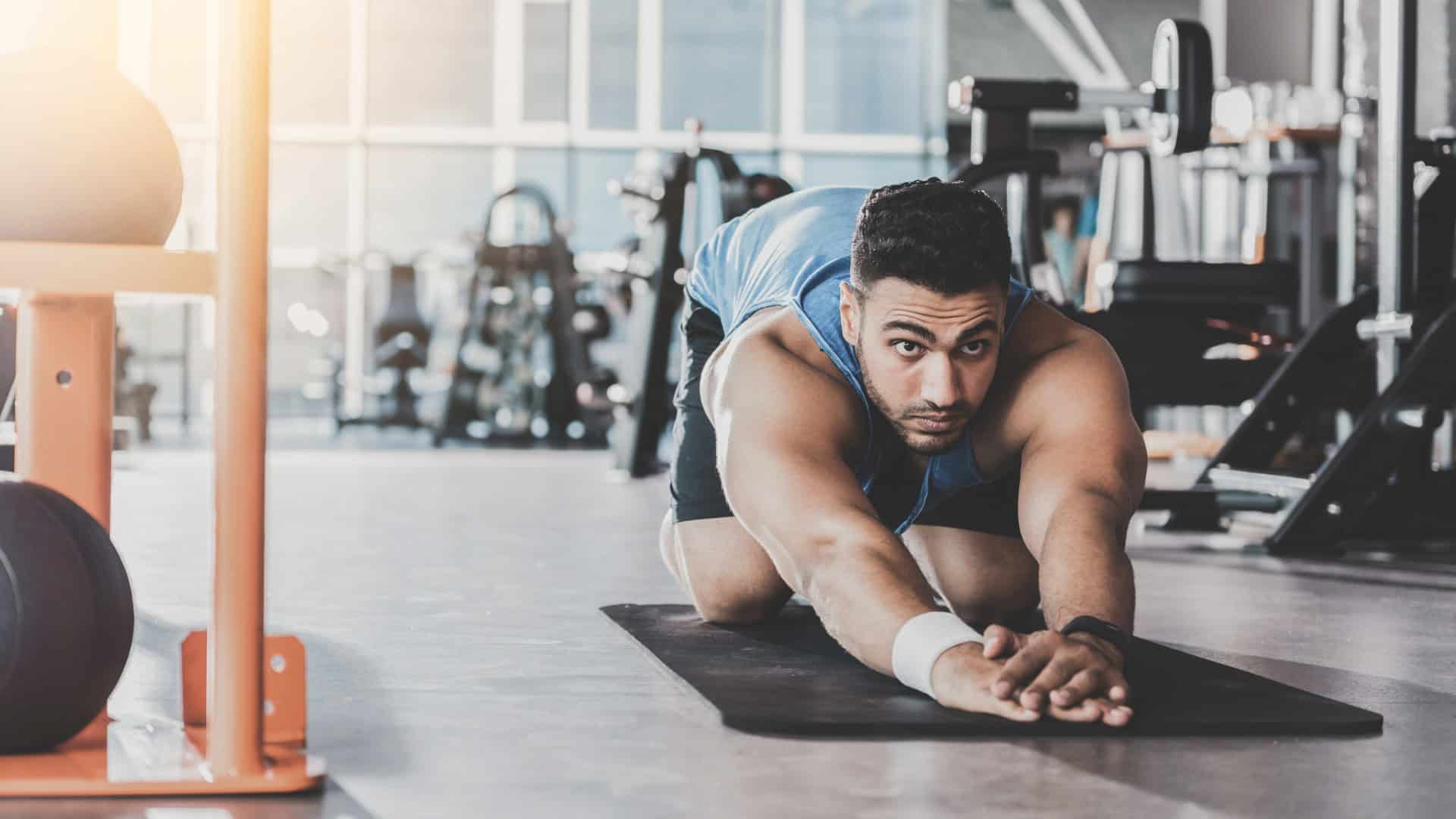
- Active recovery is gentle movement: Things like an easy walk, light cycling, or a slow mobility flow. It keeps you moving without adding real fatigue.
- Passive recovery is stillness and outside help: Things like sleep, massage, a percussion massage gun, an infrared sauna session, or a contrast bath, where your body does the repair work while you stay still.
What Each One Actually Does
Both categories genuinely help, just in different ways. Here is the simplified version of the science behind each.
- Active recovery flushes the system: Gentle movement increases blood flow, which helps deliver nutrients to sore muscles and clear out waste products left over from a hard session. Research reviewing many studies has found that active recovery can meaningfully reduce muscle soreness compared to complete rest (Refer to reference 1).
- Passive recovery, especially sleep, drives deep repair: During deep sleep, your body releases higher levels of growth hormone, which plays a major role in repairing muscle tissue and building it back stronger. Skipping sleep has been shown to blunt this repair process and can even raise injury risk (Refer to reference 2).
- Neither one replaces the other: You cannot walk your way out of chronic sleep deprivation, and you cannot sleep your way out of stiff, understimulated joints. Both play a real, distinct role.
How to Use Both Recovery Techniques Together
| Recovery Type | Best Timing | Simple Examples |
|---|---|---|
| Active Recovery | Within a day of a hard training session. | Easy walk, light cycling, gentle mobility flow. |
| Passive Recovery | Evenings, rest days, and every night before bed. | A full night of sleep, massage, a percussion massage gun, or a contrast shower. |
A Quick Note: These recovery techniques are meant for everyday muscle soreness and fatigue from normal training, not for treating an actual injury. If you have persistent pain, swelling, or a specific injury, see a doctor or physical therapist rather than relying on these methods alone.
The High-Performance Takeaway: Stop treating every recovery method the same way. Use the right recovery techniques for the moment, gentle movement to flush your system during the day, and real rest and sleep to let your body do its deepest repair work at night.
References:
1. An Evidence-Based Approach for Choosing Post-exercise Recovery Techniques to Reduce Markers of Muscle Damage, Soreness, Fatigue, and Inflammation: A Systematic Review With Meta-Analysis, PMC: https://www.ncbi.nlm.nih.gov/pmc/articles/PMC5932411/
2. Sleep and Athletic Performance: A Multidimensional Review of Physiological and Molecular Mechanisms, MDPI: https://www.mdpi.com/2077-0383/14/21/7606