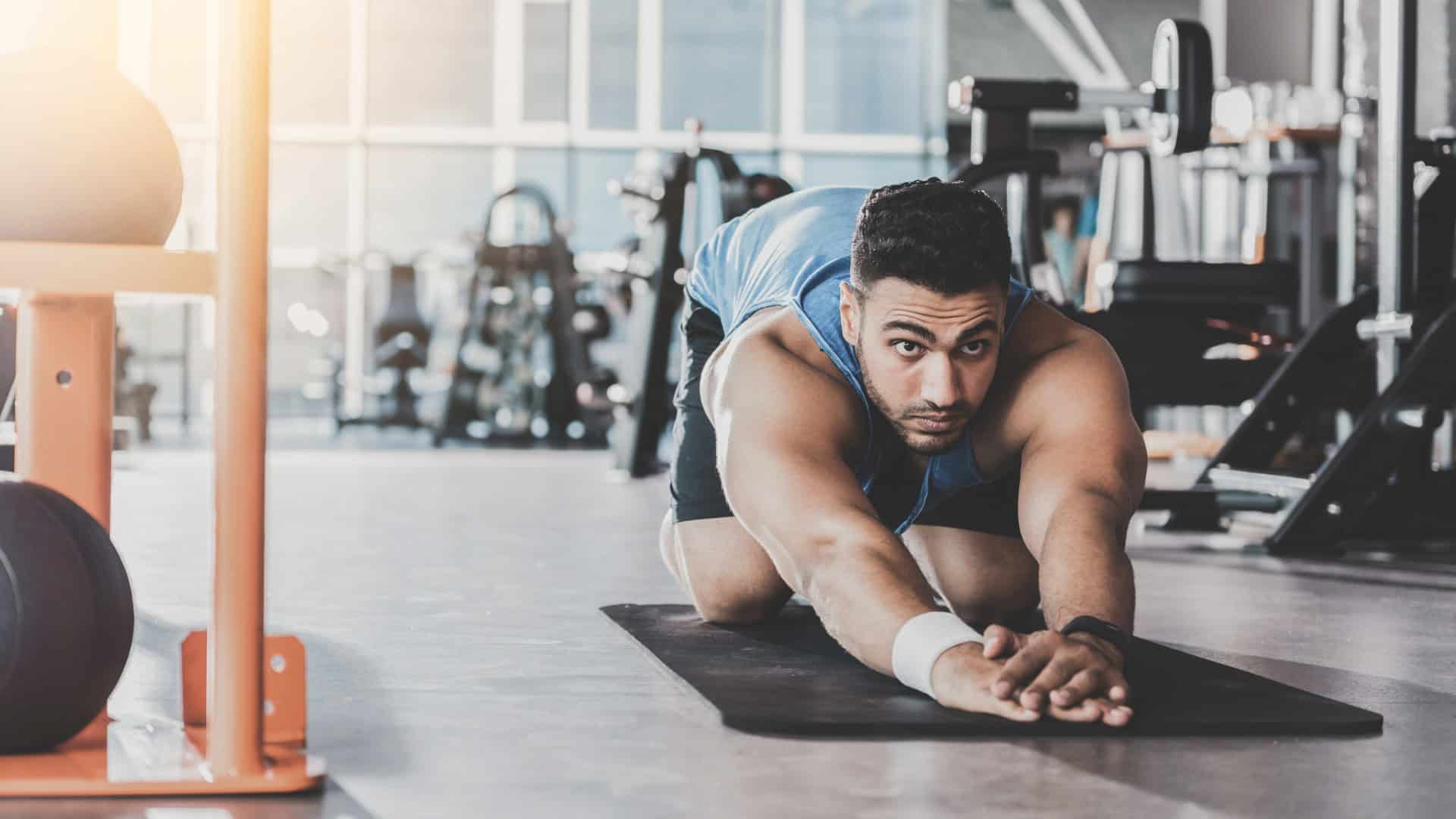
Shoulders are one of the most complex joints in the body, genuinely mobile in every direction, which makes them both incredibly useful and genuinely vulnerable if trained carelessly. Shoulder workouts built around minimal equipment, a resistance band, a pair of light dumbbells, or nothing but bodyweight, can build real strength and stability without ever stepping into a gym.
Shoulder Workouts: Why This Joint Deserves Extra Care
Unlike a hinge joint like the knee, the shoulder relies heavily on surrounding muscle, the rotator cuff especially, to stay stable through its full range of motion. This means shoulder workouts benefit from prioritizing control and full range of motion over raw weight, since the joint’s stability depends on genuinely developing the smaller stabilizing muscles, not just the larger, more visible deltoids.
Shoulder Workouts: The Core Movement Patterns
A complete shoulder workout covers pressing (overhead and forward), pulling (rows and face pulls), and lateral raising (working the side deltoid specifically), rather than focusing narrowly on one pattern. Pike push-ups, a bodyweight movement mimicking a vertical press, build real pressing strength with zero equipment required, while resistance band pull-aparts and face pulls train the often-neglected rear deltoid and upper back muscles that balance out all that forward pressing work.
Building Progressive Overload With Minimal Equipment
Even without a full rack of dumbbells, progressive overload remains achievable: increasing reps, slowing the tempo, adding pauses at the hardest point of a movement, or simply elevating feet during a pike push-up to increase the load all create genuine progression without requiring new equipment. This kind of creative, structured progression is exactly the mindset behind smart calisthenics progression, applying leverage and body position changes to keep a bodyweight movement challenging over time.

A Simple, Balanced Shoulder Session
Five movements cover a complete session well: pike push-ups for pressing, band pull-aparts for rear deltoid and posture, lateral raises with light dumbbells or filled water bottles for side deltoid width, prone Y-raises for the often-weak lower trapezius, and a controlled overhead hold for genuine stability work. Two to three rounds of eight to twelve reps per movement, performed with real control rather than rushed speed, builds meaningful strength within a few weeks of consistent training.
Where Kettlebells Add Real Value
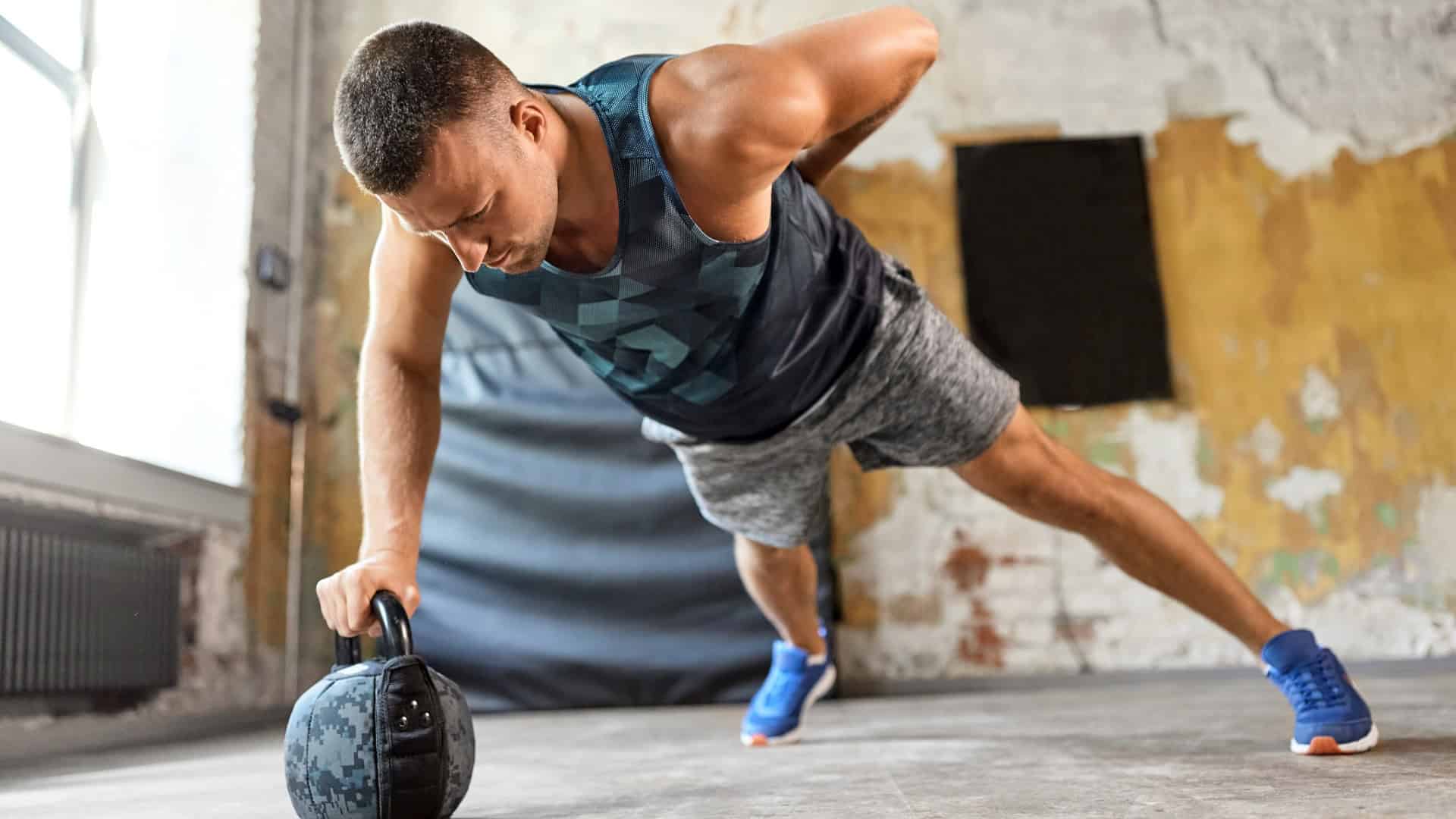
A single kettlebell opens up movements like the overhead press and the bottoms-up carry, both of which demand real shoulder stability beyond what bodyweight alone can train. This is exactly the territory covered in kettlebell functional training, where the awkward, shifting load of a kettlebell forces the shoulder’s stabilizing muscles to work considerably harder than a symmetrical dumbbell movement would.
Fitting Shoulder Work Into a Bigger Plan
Shoulder training works best as one piece of a genuinely balanced routine rather than an isolated focus, and building it into a broader structure matters; a well-designed bodyweight workout plan naturally rotates shoulder-focused sessions alongside leg, back, and core work, preventing the imbalance that comes from over-focusing on one area while neglecting the muscles that support it.
A Word of Caution: Sharp pain, pinching, or persistent discomfort during any of these movements is a signal to stop and consult a qualified physical therapist or sports medicine professional before continuing. The shoulder is not a joint to push through pain on, genuine shoulder health depends on catching irritation early rather than training around it.
Shoulder workouts built around minimal equipment can genuinely rival gym-based training when programmed thoughtfully, prioritizing control, full range of motion, and balanced pressing and pulling work. Respect the joint’s complexity, progress gradually, and real strength and stability follow.