The basic rule of building muscle is simple: your body needs a reason to keep adapting. In a gym, that reason is easy to create. The weight feels manageable, so you add another plate. At home, once you run out of dumbbells or the exercise starts feeling easy, most people assume they have hit a hard ceiling.
That assumption is not quite right. Your muscles do not actually know or care about the number on a weight plate. They respond to how much tension and effort you put them through, not the specific tool you used to create it. If you eventually do want external load back in the picture, a simple kettlebell training program is one of the easiest ways to layer it on, but none of that is required to keep making real progress in the meantime.
Learning how to build muscle at home without equipment comes down to a handful of simple tricks that let you keep making an exercise harder, even once you have run out of heavier things to lift.
Why This Actually Works
- Slowing down adds real difficulty: Taking a few extra seconds to lower yourself into a push-up or squat keeps your muscles working the entire time, rather than letting momentum do some of the work for you.
- Cutting rest time increases the challenge: Doing the same reps with less rest between sets makes your muscles work harder to recover on the fly, which several studies point to as a real driver of muscle growth, even without adding weight (Refer to reference 1).
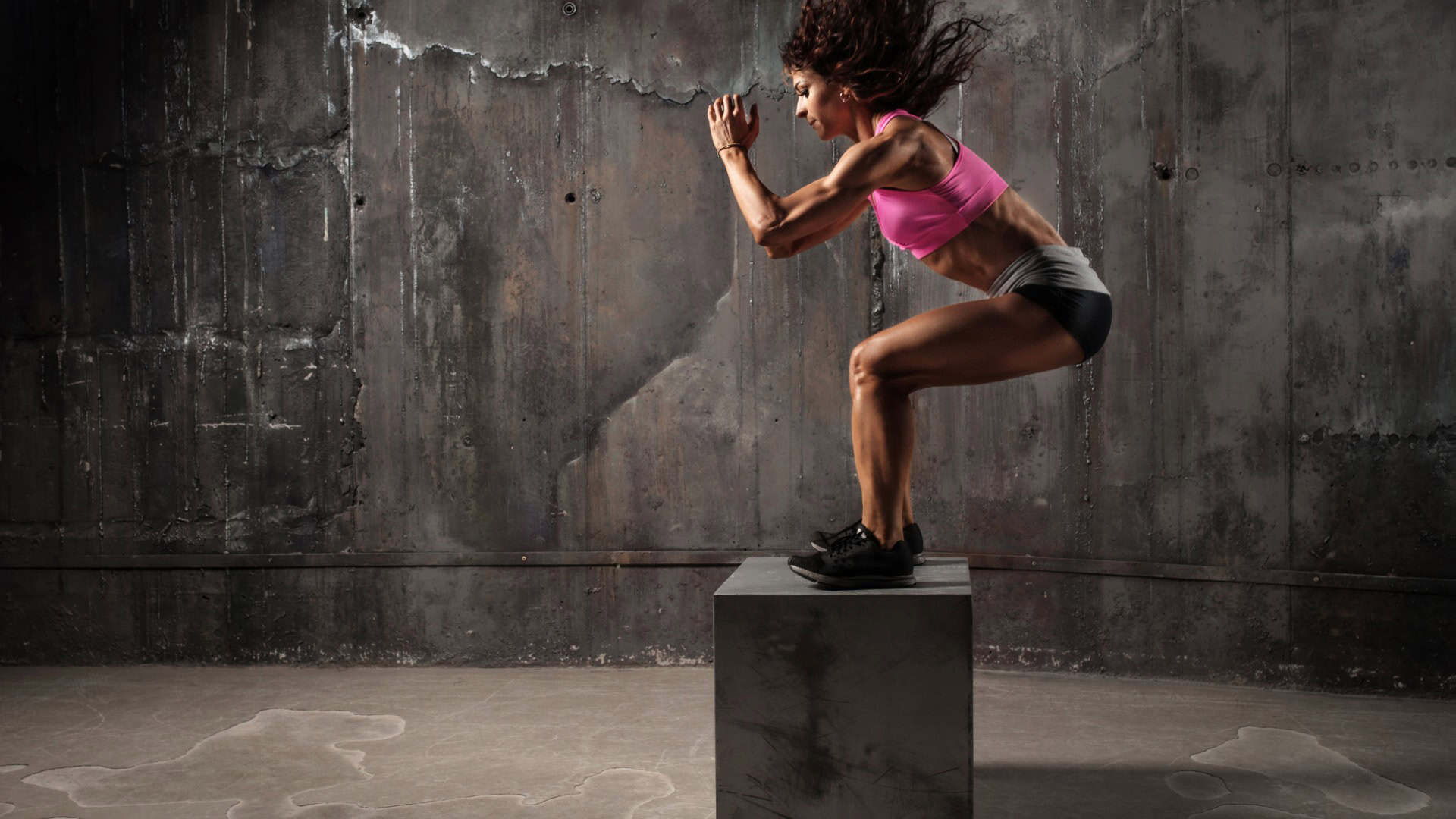
- Small position changes shift the load: Elevating your feet during a push-up, or standing on one leg during a squat, shifts more of your bodyweight onto the working muscle, effectively making the exercise heavier without adding anything external.
Five Simple Ways to Keep Progressing
- 1. Slow Down the Lowering Phase: Take a full 3 to 4 seconds to lower yourself in any exercise instead of dropping quickly. This alone makes most bodyweight moves noticeably harder.
- 2. Change Your Body Position: Elevate your feet on a chair for push-ups, or try single leg variations of squats, to shift more load onto the target muscle.
- 3. Cut Your Rest Time: Once an exercise feels easy at 60 seconds of rest, try the same reps with only 30 to 45 seconds of rest between sets.
- 4. Add a Pause at the Hardest Point: Hold for 2 to 3 seconds at the bottom of a squat or push-up, right where the exercise feels toughest, instead of moving straight through it.
- 5. Use Partial Reps at the End of a Set: Once you cannot complete a full rep with good form, keep going with small, partial range reps until your muscles are genuinely fatigued.

Tracking Real Progress
| Tracking Metric | Good Progress Sign | Warning Sign |
|---|---|---|
| Tempo Control | You can complete a full slow lowering phase without shaking uncontrollably. | You rush the lowering phase to make the reps feel easier. |
| Rest Time Reduction | You complete the same reps and quality with shorter rest over time. | Form breaks down noticeably once rest gets shorter. |
| Overall Difficulty | The last few reps of a set genuinely feel challenging. | An exercise feels easy from start to finish with no real fatigue. |
If you're curious how these numbers stack up against a commercial gym over time, that's really the question behind home workout results more broadly, and the honest answer depends less on the tools than on whether you're actually tracking the metrics above.
A Quick Note: Pushing sets closer to fatigue and shortening rest increases the physical demand of a workout. If you are new to exercise, pregnant, or have any health conditions, check with a doctor before increasing training intensity, and stop any exercise that causes pain. As the intensity climbs, it's also worth paying more deliberate attention to your recovery techniques rather than assuming a bodyweight session needs less recovery than a weighted one.
The High-Performance Takeaway: Learning how to build muscle at home without equipment is not about finding heavier things to lift. It is about controlling tempo, position, and rest to keep challenging the same muscles in new ways, week after week.
References:
1. Effects of rest intervals and training loads on metabolic stress and muscle hypertrophy, PubMed: https://pubmed.ncbi.nlm.nih.gov/28032435/