Good deadlift form comes down to a handful of repeatable checkpoints rather than dozens of competing cues. Get the setup right, keep the bar close, and brace properly, and most of the common mistakes that lead to injury or a missed lift disappear on their own. This matters even more if you are pairing heavy pulling with serious conditioning work like how to improve your vo2 max sessions, since sloppy form under fatigue is where most deadlift injuries actually happen.
Setup Starts at the Feet
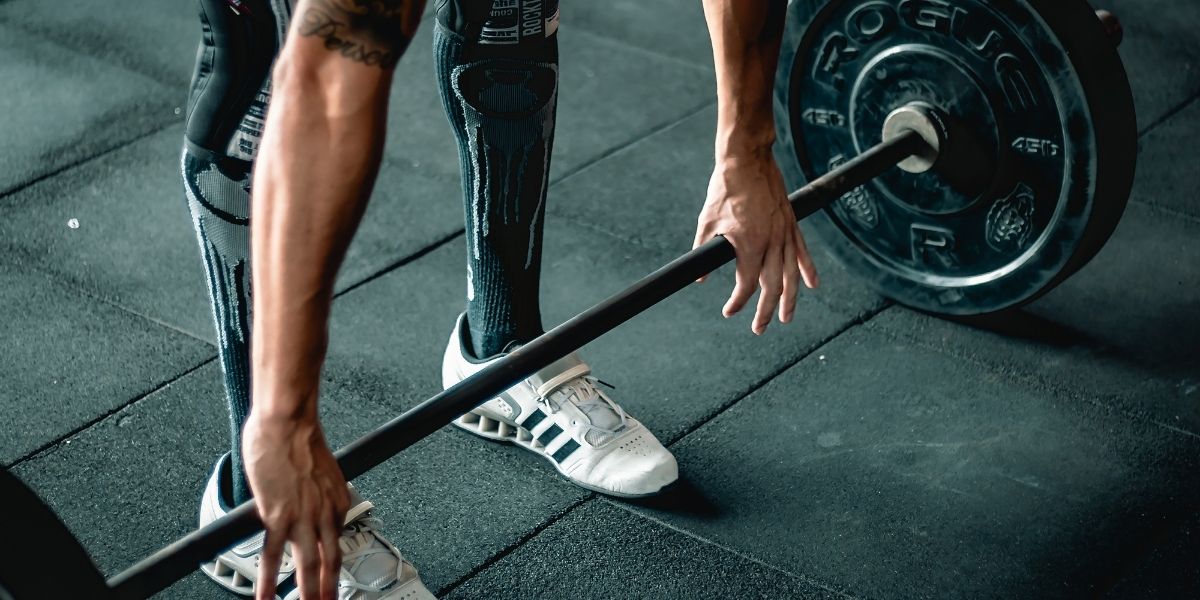
Stand with feet roughly hip width apart, bar directly over your midfoot. This is the single most common setup error: standing too far from the bar forces it to drift forward during the pull, which shifts load onto your lower back and away from your legs and hips where it belongs. Check this every single rep, not just on your working sets.

Grip and Bar Position
Grip just outside your knees, arms straight and vertical, not angled in toward the bar. Before pulling, take the slack out of the bar by pulling up gently until you feel tension, which you can sometimes see as a slight bend in the bar itself. This step prevents the sudden jerk that throws your position off the instant real weight comes off the floor.
Brace Before You Pull
Take a deep breath into your belly, not your chest, and brace your core hard, as if you are about to take a punch to the stomach. Hold that brace through the entire rep. A core that loosens partway through the pull is one of the most common reasons a deadlift that started with a flat back ends with a rounded one.
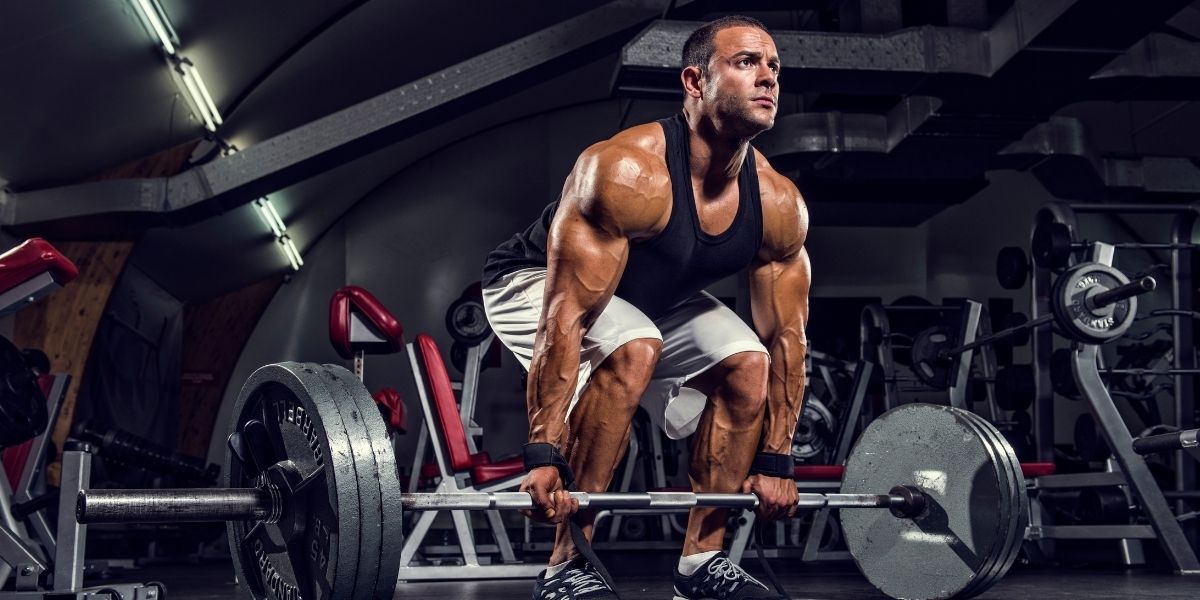
Hips and Shoulders Rise Together
At the start of the pull, your hips and shoulders should rise at the same rate. If your hips shoot up first, the lift turns into something closer to a stiff leg deadlift, which shifts load off your legs and onto your lower back. If your shoulders rise first, the bar will drift away from your body. Neither error is subtle once you know what to watch for on video.
Keep the Bar Against Your Legs
The bar should drag up your shins and thighs for the entire pull. Any gap between the bar and your body increases the lever arm your lower back has to fight against, which is one of the more direct paths to lower back strain under heavy load. Wearing pants you do not mind scuffing is a small price for keeping this cue honest.
Lock Out Without Overextending
Stand fully upright at the top, hips and knees extended, without leaning back or hyperextending your lower back to finish the rep. Squeeze your glutes to complete hip extension rather than arching your spine, which is a subtle but important distinction that protects your lower back at the exact moment the weight is heaviest.
Common Mistakes Worth Isolating
Rounded lower back, hips rising too fast, and a bar that drifts forward are the three faults responsible for the large majority of deadlift form breakdowns. Fix one cue at a time rather than trying to overhaul your entire pull in a single session, since stacking too many corrections at once usually makes execution worse before it gets better.

Recovery Matters as Much as the Lift
Deadlifts are demanding on your central nervous system as well as your muscles, and treating your post workout recovery seriously after a heavy pulling session matters more here than after most accessory work. Sleep, protein intake, and adequate time between heavy pulling sessions all directly affect how well your form holds up the next time you load the bar.
Building Toward Harder Variations
Once your form is consistent under moderate load, more advanced variations, deficit deadlifts, pauses, and eventually the kind of full body tension demanded by calisthenics progression work, all become safer and more productive to add. Rushing to these before your base pattern is solid is one of the more common ways lifters stall out or get hurt.