
High protein low fat healthy sweet treats occupy a category that has been badly served by the fitness food industry for decades. The protein bar that tastes like chalk, the protein brownie with the texture of wet cardboard, and the Greek yoghurt parfait assembled without any cooking skill: these products exist because the category has been approached as a nutritional problem to be solved rather than a cooking problem. Approached as a cooking problem, with the same attention to technique and ingredient quality that any other baking deserves, high protein low fat healthy sweet treats are genuinely excellent.
The Technique Behind High Protein Baking
The challenge in high protein low fat healthy sweet treats is structural: protein-rich ingredients behave differently from the fat and sugar combinations that standard baking relies on for moisture, structure, and texture. Whey or plant protein powder added to a standard recipe in significant quantities produces a dense, dry result because the protein absorbs moisture aggressively and the gluten development that provides standard baked goods with their structure is compromised.
The technique adjustments that solve this are consistent across high protein low fat healthy sweet treats recipes. First, use Greek yoghurt or cottage cheese as the moisture and fat replacement: both provide protein alongside the moisture that the powder absorbs, and their natural acidity produces a tenderizing effect that counteracts the densifying effect of the protein. Second, reduce baking temperature by 10 to 15 degrees and extend the baking time, because protein-rich batters catch and brown faster than standard ones. Third, add a tablespoon of vinegar or lemon juice to activate the baking soda more completely, producing more lift in a batter that naturally wants to be heavy.
Four Recipes That Deliver
Chocolate protein brownies: Combine 200g low-fat cottage cheese blended smooth, two eggs, 60g chocolate protein powder, 30g cocoa powder, 60g oat flour, 80g erythritol or maple syrup, and a teaspoon of vanilla extract. Bake in a lined square tin at 160 degrees Celsius for 22 to 25 minutes. The cottage cheese produces the fudgy texture that fat normally delivers, and the result passes the texture test that most protein brownies fail. Each square contains approximately 12g protein and 4g fat.
Greek yoghurt bark: Spread 500g full-fat Greek yoghurt in a thin layer on a lined tray, top with a tablespoon of honey, a handful of mixed berries, and a tablespoon of chopped nuts or dark chocolate chips, and freeze for two hours. Break into pieces and serve frozen. No cooking required, twelve minutes of preparation, and the result is a genuinely satisfying high protein low fat sweet treat that holds its quality in the freezer for two weeks.
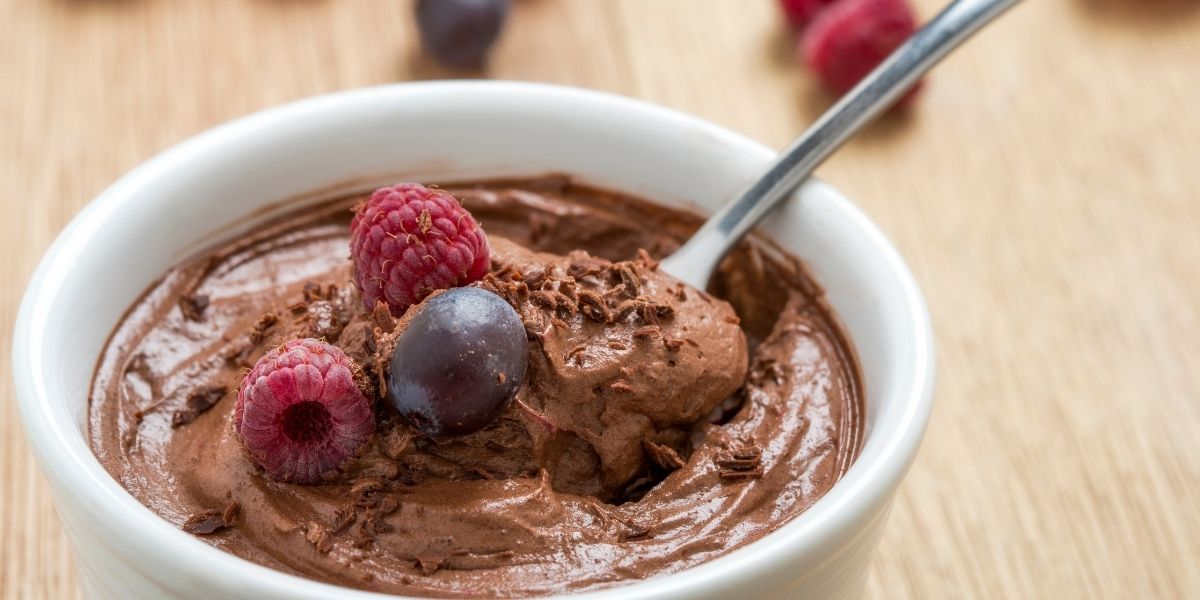
Cottage cheese mousse: Blend 250g cottage cheese with 30g vanilla protein powder, two tablespoons of cocoa powder, a tablespoon of peanut butter, and enough almond milk to produce a pourable consistency. Refrigerate for thirty minutes. The blending produces a smooth texture that eliminates the cottage cheese granularity entirely. Serve with fresh fruit or a sprinkle of granola. Each portion provides approximately 25g protein.
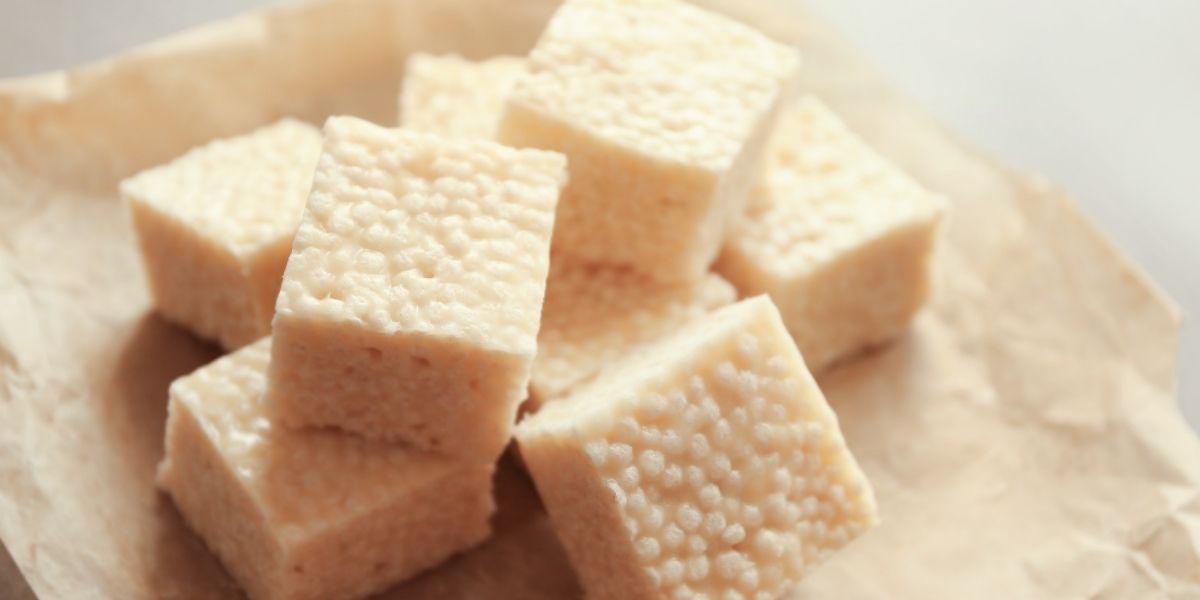
Protein rice crispy treats: Melt two tablespoons of peanut butter with a tablespoon of honey and a tablespoon of coconut oil, remove from heat, stir in 30g vanilla protein powder and 80g puffed rice, press into a lined tin, and refrigerate until set. The result is a version of the classic treat with a meaningful protein contribution and a fat profile significantly better than the original. Each bar provides approximately 8g protein.
The Ingredient Quality Point
High protein low fat sweet treats are only as good as the protein powder they are built around, and protein powder quality varies more than the marketing admits. A whey concentrate or isolate from a brand that publishes third-party testing results and has a clean ingredient list without unnecessary additives produces a better result in baking than a proprietary blend with undisclosed ratios and flavor additives that compete with the other ingredients.
The stock vs broth principle of understanding the base ingredient’s quality before building on it applies directly: a poor quality protein powder produces a poor quality high protein low fat sweet treat regardless of how good the surrounding recipe is. Source the protein first, then build the recipe around it. The how to recover faster from workouts framework treats nutrition as part of recovery, not separate from it, and high protein low fat healthy sweet treats are the food-side expression of that approach.
Guest Author: This post was contributed by Sugar Press, a cooking site that believes the technique determines the result, and that applies to protein treats as much as to anything else in the kitchen.