Canicross is the competitive and recreational sport of cross-country running with a dog attached to the runner via a bungee line and a padded harness system. It originated in Europe as an off-season training method for sled dog athletes and has developed into a standalone discipline with its own race series, national federations, and a coaching methodology that is more sophisticated than most people outside the sport realise. For hybrid athletes looking for a training partner that never cancels, never needs motivating, and provides a genuinely different physiological stimulus from solo running, canicross is worth understanding at the training science level.
What Canicross Does to Your Training Metrics
The bungee line that connects the runner to the dog in canicross introduces a variable resistance stimulus that no machine-based running environment replicates. When the dog pulls ahead, the runner experiences a forward assistance that increases stride rate and reduces the metabolic cost of maintaining pace. When the runner accelerates past the dog’s preferred pace, the line goes slack and the resistance disappears. The result is an interval structure that is determined by the dog’s engagement rather than a pre-programmed treadmill protocol.
The heart rate data from canicross sessions consistently shows higher average heart rates than solo running at the same perceived effort, driven by the anti-rotation stability demands of managing a dog on a line. The oblique and transverse abdominal engagement required to run in a straight line while a dog pulls at variable angles loads the core musculature in ways that treadmill and track running does not. The shoulder workouts that address posterior chain weakness in runners gain a functional companion in canicross: the upper body engagement required to handle the line prevents the arm swing compensation patterns that develop in pure distance runners.
Breed and Training Compatibility
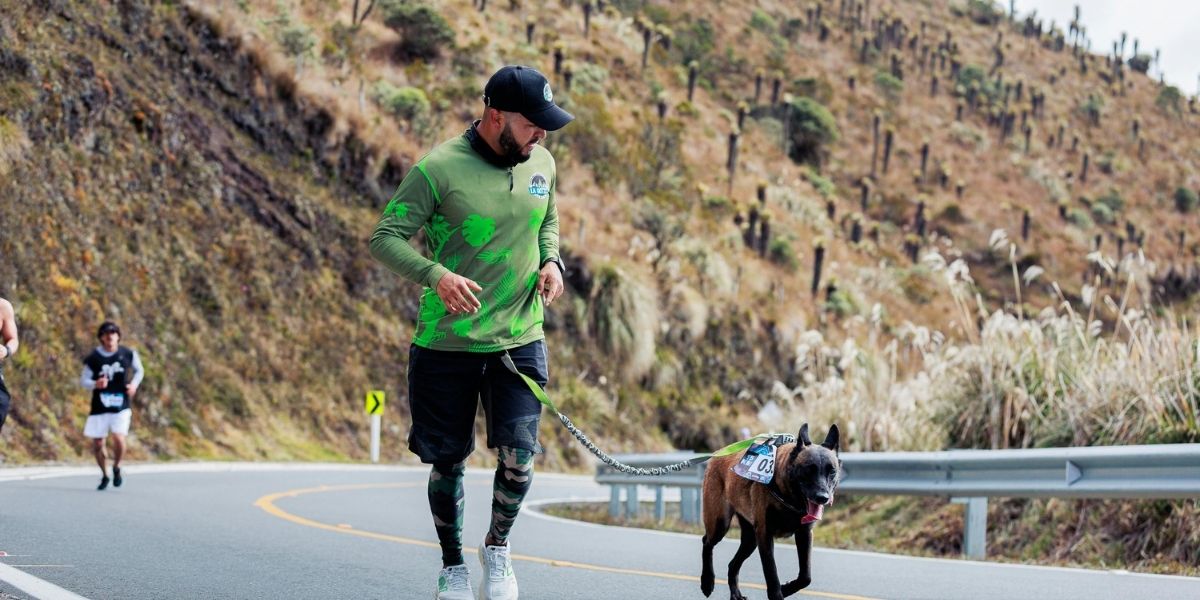
Canicross performance is heavily influenced by breed selection, and the discipline rewards different breeds for different training purposes. Nordic breeds, particularly Siberian Huskies, Alaskan Malamutes, and their crosses, provide the most consistent pulling assistance and have the endurance profile that suits longer canicross sessions. They are also more independent in their running style, which requires more technical skill from the runner to manage the line effectively.
Pointers, Vizslas, and similar HPR breeds produce a different canicross experience: more responsive to the runner’s pace, faster in acceleration, and more attuned to the runner’s signals. These breeds suit the interval-style canicross training that hybrid athletes find most compatible with structured programming. Border Collies are exceptional canicross partners for technically minded runners because their responsiveness to direction and pace cues produces the most cooperative running experience of any breed.
The specific training demands of canicross on the dog must be matched to the dog’s physiological development. Young dogs under twelve to eighteen months should not be used for canicross because the pulling load on developing skeletal and musculoskeletal structures carries injury risk. The back workouts principle of managing load progression applies directly to canicross training for dogs: introduce the pulling work gradually, monitor for fatigue signals, and build the dog’s capacity over months before race-pace efforts.
The Equipment System
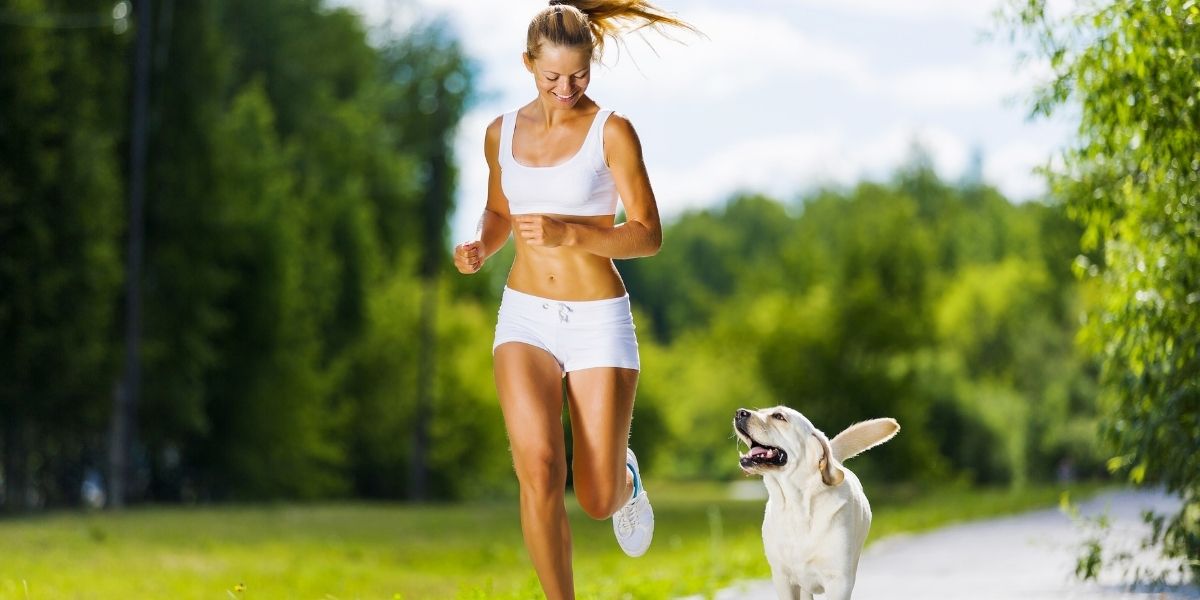
The canicross equipment system has three components: the runner’s belt, the bungee line, and the dog’s harness. The runner’s belt distributes the pulling load across the hips rather than concentrating it at the waist, which allows the runner to maintain bio-mechanically sound running form even when the dog is pulling hard. Running with a handheld lead produces forward lean and arm position compensation that the belt system eliminates.
The bungee line’s elasticity is the safety mechanism that prevents both the runner and the dog from experiencing sudden jarring loads when direction or pace changes abruptly. A solid line would transmit the full impact of a sudden pull to both parties; the bungee absorbs it and releases it progressively. Line length is typically between two and three meters, calibrated to keep the dog working slightly ahead of the runner without creating enough slack for the dog to veer significantly off the running line.
The dog harness is the most important equipment decision in canicross because the wrong harness creates pressure points on the trachea or restricts shoulder movement during the pulling stride. A proper canicross harness distributes the load across the chest and along the sides of the torso, allowing the full range of motion that pulling at running speed requires. The post workout nutrition timing that matters for human athletes matters for canicross dogs too: hydration and fueling after sessions, particularly in warm weather, is a welfare responsibility that the human half of the partnership owns.
Guest Author: This post was contributed by The Barking Deck, a practical guide to dog ownership that takes the working relationship between dogs and humans as seriously as the companionship one.