
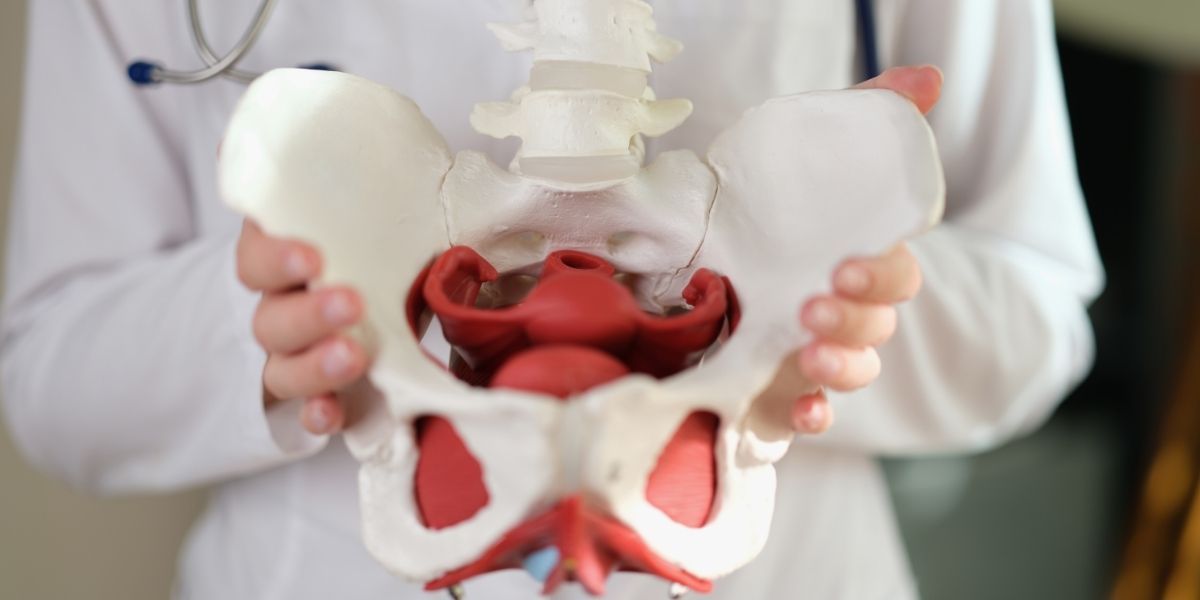
A posterior pelvic tilt happens when the pelvis rotates backward, flattening the natural curve of your lower back and typically pairing with tight hamstrings and a weaker hip flexor and lower back complex. A targeted program addresses both sides of that imbalance rather than just stretching or just strengthening in isolation.
What Posterior Pelvic Tilt Actually Looks Like
Standing sideways in a mirror, a posterior tilt shows up as a flatter than normal lower back curve, with your tailbone tucking slightly under rather than pointing back. It is the opposite pattern from an anterior pelvic tilt, which is more common and shows up as an exaggerated lower back arch. Neither pattern is inherently dangerous on its own, but pelvic positioning and how it responds to training can differ somewhat between men and women due to anatomical and hormonal factors, which is also worth keeping in mind when thinking about broader recovery and supplementation choices like whether creatine for women fits into your plan.
The Muscles Usually Involved
Tight hamstrings are one of the most consistent contributors to posterior pelvic tilt, since they pull down on the back of the pelvis. This often pairs with underactive hip flexors and a lower back that has lost some of its normal engagement, particularly in people who sit for long stretches with a rounded lower back or who have spent a lot of time in a heavily flexed spinal position.

Stretching What Is Tight
Hamstring length is the primary target here. A standing or seated hamstring stretch, held for 30 to 60 seconds per side, done consistently rather than occasionally, addresses the muscle most directly implicated in this pattern. Glute stretching can help as a secondary target, since tight glutes also contribute to the backward pull on the pelvis in some people.
Strengthening What Is Underactive
Hip flexor strengthening, through movements like standing marches or hanging knee raises, helps restore some of the anterior pull that balances out tight hamstrings. Lower back extension work, like supermans or back extensions performed through a controlled, pain free range, rebuilds engagement in a region that often goes underused in this pattern.
Building a Simple Weekly Structure
Two to three sessions a week, each combining a hamstring and glute stretch with a hip flexor and lower back strengthening exercise, is enough to start shifting this pattern over several weeks. This does not need to be a standalone workout. It fits easily into the first ten minutes of an existing training session or as a short routine on an off day.
Pairing This With the Rest of Your Training
This kind of corrective work fits naturally alongside a broader training plan rather than replacing it. A 10 minute workout at home is a reasonable format for fitting this program in on a day when a full session is not realistic, since the movements involved do not require much space or equipment.
A Note on Persistent Pain
If you are experiencing ongoing pain rather than just a postural pattern you have noticed, this kind of general program is not a substitute for an actual evaluation. A physical therapist can confirm what is actually driving your specific presentation and build a plan around it, since posterior pelvic tilt can look similar across people while having genuinely different underlying causes.
Testing the Pattern Against Real Training Demands
Once the imbalance has improved, testing your hip hinge and loaded carry patterns under something like what is the hyrox workout demands is a reasonable way to confirm the corrective work actually transferred to real training rather than just improving how you look standing still.