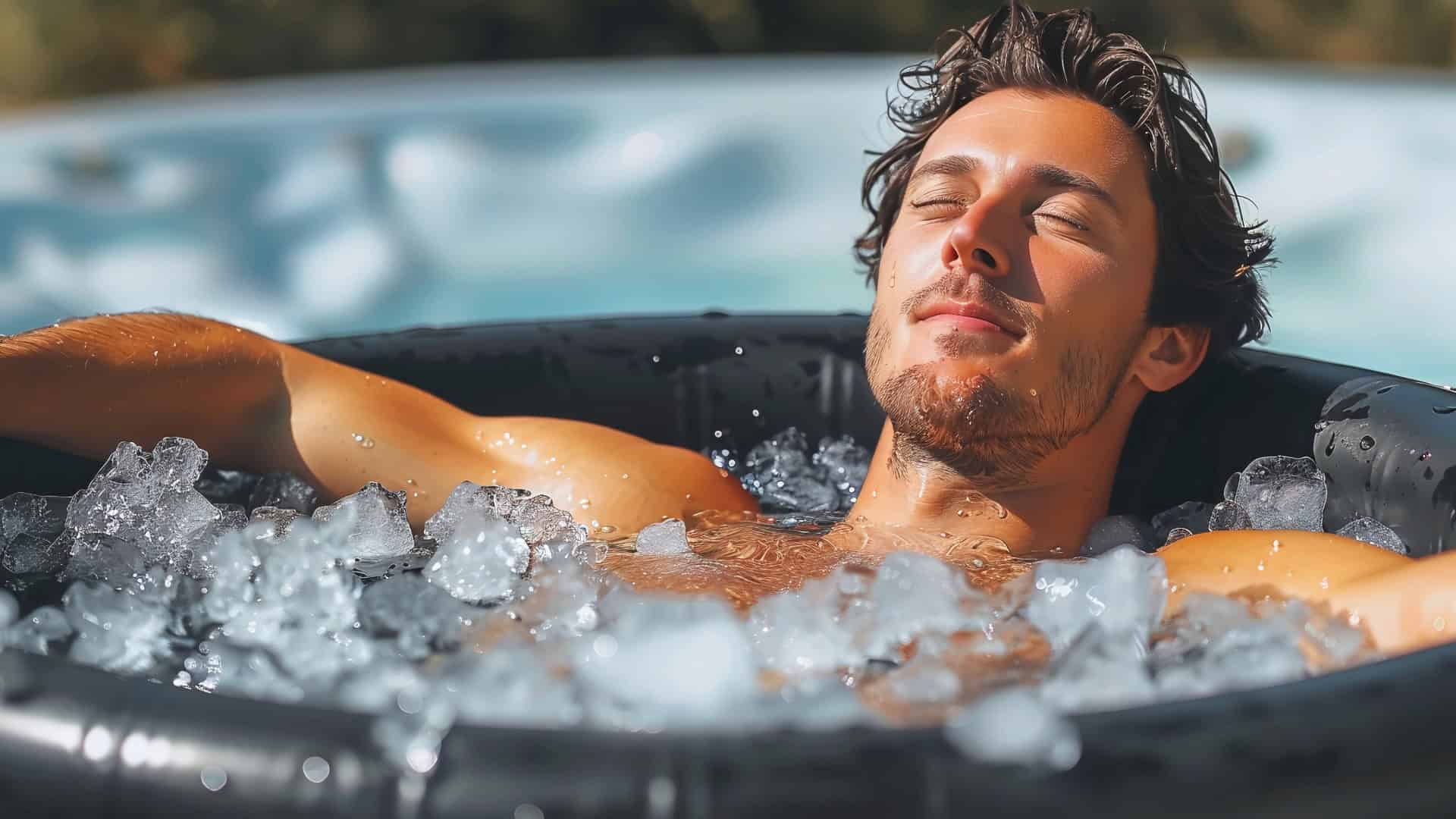
Most athletes who try an ice bath do it the same way. They dump in a bag or two of ice, wait until it feels cold enough, and climb in without really knowing what temperature they are sitting in. Some sessions feel brutal for no reason. Others barely feel cold at all.
Both extremes miss the point. Water that is too mild just feels unpleasant without doing much for you. Water that is too cold can shock your system into gasping and clenching up, which works against the calm, settled feeling you are actually trying to create. The temperature is what makes the difference between a session that helps and one that just makes you miserable.
Getting the ice bath temperature right does not require a lab or a science degree. It just takes a thermometer, a bit of consistency, and knowing roughly what range works well for most people. Done properly, cold exposure is a simple, low cost tool that can genuinely support recovery, calm your nervous system after hard training, and help you sleep better.
Why Ice Bath Temperature Matters
Cold exposure affects your body in a few real, well documented ways. Here are the three biggest benefits, and why the temperature is what unlocks them.
- A genuine calming effect: Cold water on your face and chest can help trigger your body's natural relaxation response, slowing your heart rate and helping you feel settled after an intense workout.
- Less post workout muscle tightness: Cold water temporarily narrows blood vessels near the skin. When you get out and warm back up, fresh blood flows back through tired muscles, which many athletes find helps them feel less stiff and heavy the next day, whether the session that got them there was a heavy lifting day or a burnout set of beginner push ups.
- Practice staying calm under discomfort: Regularly choosing to sit in the cold and breathe through it builds a kind of mental resilience that carries over into tough training sessions and races.

The Performance Template / Protocol
You do not need anything complicated to do this well. Follow these three simple phases.
Phase 1: Settle Down First (5 Minutes)
- The Protocol: Before you get in the cold water, spend five minutes just breathing slowly. Inhale for a count of four, hold for four, exhale for four, hold for four, and repeat.
- The Execution: This helps you start from a calmer place instead of jumping into cold water while your heart rate is still sky high from training.
Phase 2: The Cold Soak (2 to 4 Minutes)
- The Protocol: A commonly used and comfortable range for most people is 50 to 59 degrees Fahrenheit (about 10 to 15 degrees Celsius). Use a simple thermometer to check rather than guessing. Sit for 2 to 4 minutes, submerged at least to chest level.
- The Execution: Breathe slowly through the initial cold shock instead of gasping. If building muscle is your main goal, it is worth doing this on a separate day from heavy lifting, whether that lifting session was a barbell day or a round of kettlebell workouts for men built around swings and presses, since some research suggests jumping into cold water right after a strength session may take a small edge off your muscle building gains.
Phase 3: Wind Down Before Bed (10 Minutes)
- The Routine: Lie on your back with your legs resting up against a wall, forming an L shape with your body.
- The Focus: Breathe slowly through your nose. This simple, restful position helps reinforce the calm feeling from your cold exposure earlier in the day, especially on weeks where the next morning brings a light recovery workout instead of jumping straight back into hard training.
Tracking and Performance Metrics
| Tracking Metric | Optimal Progress Sign | Failure / Red Flag |
|---|---|---|
| Water Temperature Check | You check the water with a thermometer every time instead of guessing by feel. | You rely on how much ice you dumped in rather than an actual reading. |
| How You Feel After | You feel calmer, clearer, and less tense within a few minutes of getting out. | You feel jittery, anxious, or unusually cold and uncomfortable long after you finish. |
| Breathing During the Soak | You can breathe slowly and stay relatively relaxed for the full 2 to 4 minutes. | You are gasping, panicking, or need to get out within the first minute. |
A Quick Safety Note: Cold water immersion is not right for everyone. If you have a heart condition, high blood pressure, circulation issues such as Raynaud's, are pregnant, or have any concerns about how your body handles sudden temperature changes, talk to your doctor before starting any cold exposure practice. This article is meant to explain general training concepts, not to serve as medical advice.
The High-Performance Takeaway: You do not need to suffer through an ice bath to get something out of it. Get the ice bath temperature right, keep your sessions short and consistent, and cold exposure can become a simple, genuinely useful part of how you recover.