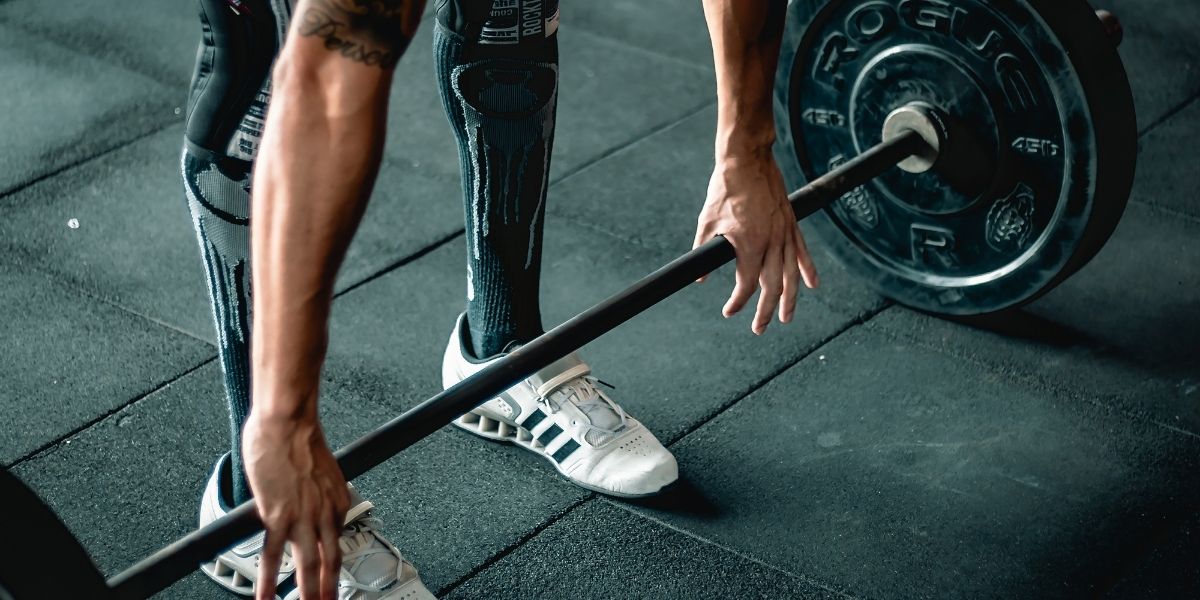
Compound exercises move multiple joints and muscle groups at once, which makes them more time efficient and generally more effective for building strength than isolation work alone. A program built around a handful of compound movements, with isolation work layered in around the edges, produces better results for most lifters than the reverse, especially when training time is limited.
What Actually Makes a Movement Compound
A compound exercise involves at least two joints moving through a coordinated range of motion, like a squat, which moves the hips, knees, and ankles together, compared to a leg extension, which isolates just the knee. This matters because compound movements recruit more total muscle mass per rep, which drives a bigger overall training stimulus for the same time investment, a real advantage for anyone training on a limited schedule.

The Big Movement Patterns
Nearly every useful compound exercise falls into one of a few patterns: squat, hinge, push, pull, and carry. Squats and hinges, like the deadlift, train the lower body and posterior chain. Pushes and pulls, whether horizontal or vertical, cover the upper body. Carries train grip, core, and total body stability all at once. Building a program around these five patterns covers essentially everything you need, and it gives you a simple checklist to measure any program against.
Why Compound Work Should Come First
Compound exercises demand more coordination, more total energy, and more technical precision than isolation work, which is why they belong at the start of a session while you are freshest. Save isolation exercises like curls or lateral raises for later in a session, once your energy and focus have already been spent on the movements that matter most. Attempting a heavy compound lift after burning out your smaller muscles first is a common way sessions underdeliver.
Recovery Between Compound Sessions
Because compound lifts recruit so much total muscle mass, they also generate more systemic fatigue than isolation work, which means recovery matters more between sessions. A dedicated recovery workout built around mobility and low intensity movement on your off days supports the adaptation from your heavy compound sessions better than complete rest or another hard session too close behind it.

Bodyweight Compound Movements Count Too
Push-ups, pull-ups, and squats are all compound movements in their own right, and a program built entirely around bodyweight progressions can deliver real strength gains using the same big movement pattern logic as a barbell program. If pushing strength is your current limiter, working through beginner push ups progressions builds the same compound pushing pattern you would train with a bench press, just without the equipment requirement.
Loading Compound Movements Progressively
Progressive overload, gradually increasing weight, reps, or difficulty over time, applies to compound exercises the same way it applies to anything else. Because compound lifts allow for heavier absolute loads than isolation work, small increases in weight translate to a meaningful training stimulus more consistently than trying to progress an isolation exercise by the same margins. Tracking these numbers over time is the clearest signal of whether a program is actually working.

Building a Full Program Around Them
A well built week touches each major pattern at least once, whether through dedicated barbell work or a bodyweight and kettlebell substitute. If kettlebell workouts for men are your main training tool, the same squat, hinge, push, pull, and carry framework applies directly, since kettlebells are simply another implement for loading the same fundamental patterns that make compound training effective in the first place, regardless of what equipment happens to be available.