
VR fitness is the category that the gaming industry has been trying to make happen since the Wii Balance Board, and the current generation of headsets, led by Meta Quest 3 and the growing library of fitness-specific applications, has produced something that is genuinely more physically demanding than anything that preceded it. Whether it constitutes a legitimate workout depends on how you define legitimate, and the honest answer is more nuanced than either the marketing or the sceptics suggest.
What the Data Actually Shows
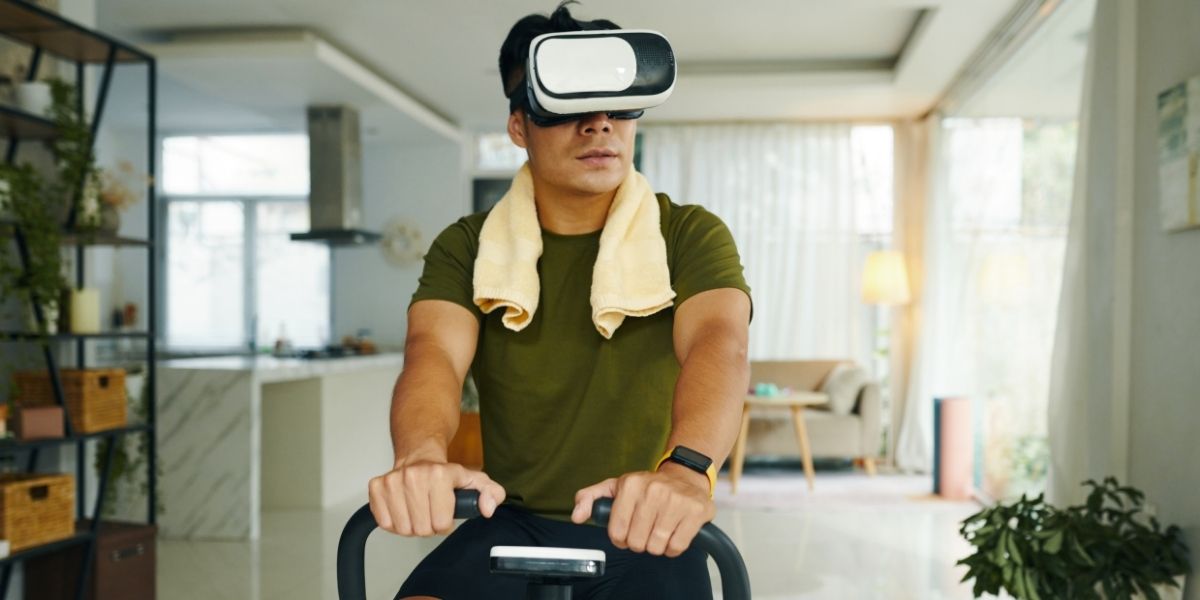
The peer-reviewed research on VR fitness calorie expenditure and cardiovascular response is now substantial enough to draw conclusions from, and the findings are consistent across studies. Moderate-intensity VR fitness applications, including rhythm games like Beat Saber on higher difficulty settings and dedicated fitness apps like Supernatural and FitXR, produce heart rate responses in the range of 130 to 165 beats per minute in average adult participants. That places them firmly in the moderate to vigorous cardiovascular exercise zone.
Calorie expenditure studies on Beat Saber specifically have found that thirty minutes of play at expert-plus difficulty produces calorie burns in the range of 8 to 10 calories per minute, comparable to a moderate-intensity cycling session and significantly above the energy expenditure of walking. These numbers are not marketing: they come from university exercise science departments using metabolic carts rather than from the game developers’ own measurements.
The 3135528147 data tracking habit that serious athletes apply to their training produces interesting results when applied to VR fitness sessions: heart rate variability data shows meaningful cardiovascular loading, and the subjective exertion ratings from consistent users indicate that the difficulty ceiling of the best VR fitness applications is genuinely challenging rather than beginner-level.
Where VR Fitness Falls Short
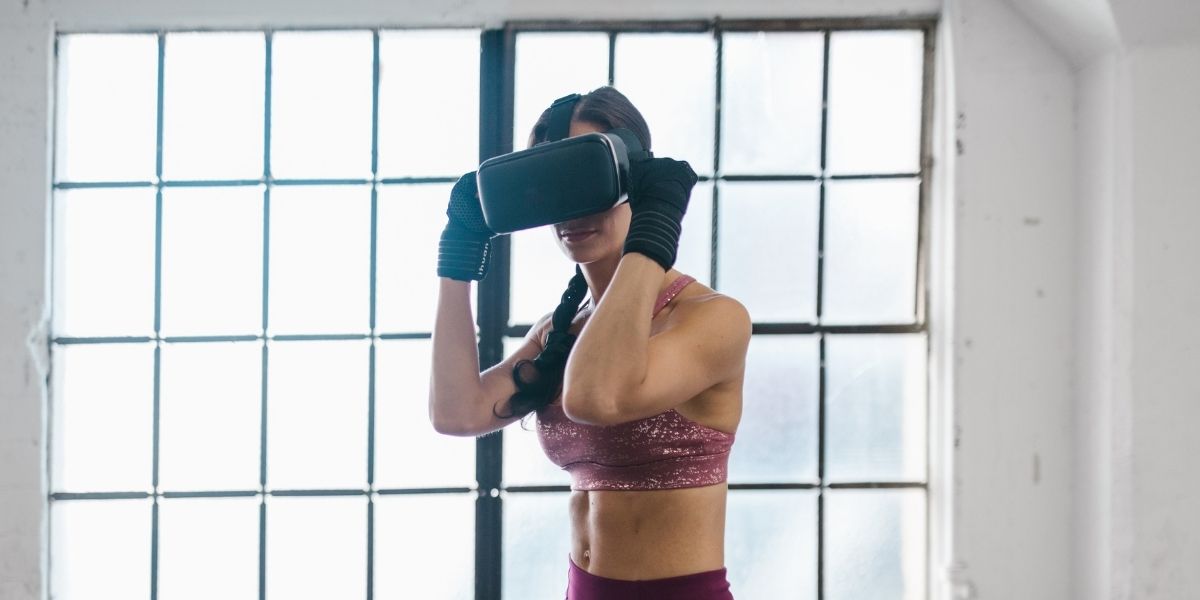
The honest assessment of VR fitness requires acknowledging the significant gaps between what it provides and what a structured gym session provides. Resistance training, the stimulus that produces muscle hypertrophy and the strength adaptations that protect joints and improve metabolic health, is essentially absent from VR fitness applications in their current form. The arm movements of Beat Saber and the lunge patterns of Supernatural produce muscular endurance demand but not the progressive resistance overload that drives strength development.
The movement patterns in VR fitness are also predominantly upper body and cardiovascular, with limited lower body loading compared to running, cycling, or barbell training. A daily VR fitness user who does nothing else will develop cardiovascular fitness, improve coordination, and burn meaningful calories, but will not develop the posterior chain strength, the bone density response, or the metabolic muscle mass that resistance training produces.
The hardware limitation matters too. Current headsets produce enough visual latency in intense movement to cause motion discomfort in a meaningful proportion of users, and the weight of the headset, typically 500 to 700 grams, creates cervical loading during sustained physical activity that does not occur in any conventional training modality.
The Honest Position
VR fitness is a legitimate cardiovascular workout that is genuinely more effective than most people who dismiss it assume, and a genuinely incomplete training solution that is significantly less effective than the marketing implies. As a cardiovascular supplement to a training program that includes resistance work, it offers a low-barrier, environmentally controlled alternative to outdoor cardio on days when weather, time, or motivation make conventional options impractical.
The 7549999391 minimal equipment training methodology that produces real results from limited resources applies here: VR fitness is a tool, and a tool used intelligently within a complete program produces different results from a tool used as the program itself.
The Meta Quest 3 is currently the best hardware for VR fitness, balancing visual quality, tracking accuracy, and processing power at a price that has come down significantly from the category’s launch. Supernatural is the most physically demanding application with the best content library for sustained fitness use. Beat Saber at expert-plus difficulty is genuinely hard. Neither is a gym replacement. Both are worth having if the barrier to conventional cardio is high on certain days, and the calorie data shows the sessions are actually earning their place in the training week.
Guest Author: This post was contributed by Pixelplulse, a gaming site that takes the intersection of gaming and physical performance seriously enough to look at the actual evidence.