
Walk into any high end gym or recovery studio and you will probably find an infrared sauna tucked in the corner, usually marketed as a way to sweat out toxins and melt away soreness in one session. Some of that marketing is exaggerated. Some of the actual benefit is real. Most people never learn which is which. It's also one of the genuine amenities you give up when you compare home workout results against a commercial gym membership, even when the training results themselves end up comparable.
The confusion leaves athletes either skeptical of the whole idea or blindly sitting in the heat expecting results it cannot deliver. Neither approach gets you the most out of the tool.
Here is a grounded look at what an infrared sauna can genuinely do for your recovery, based on actual research rather than marketing copy, along with a simple way to use one.
What the Research Actually Supports
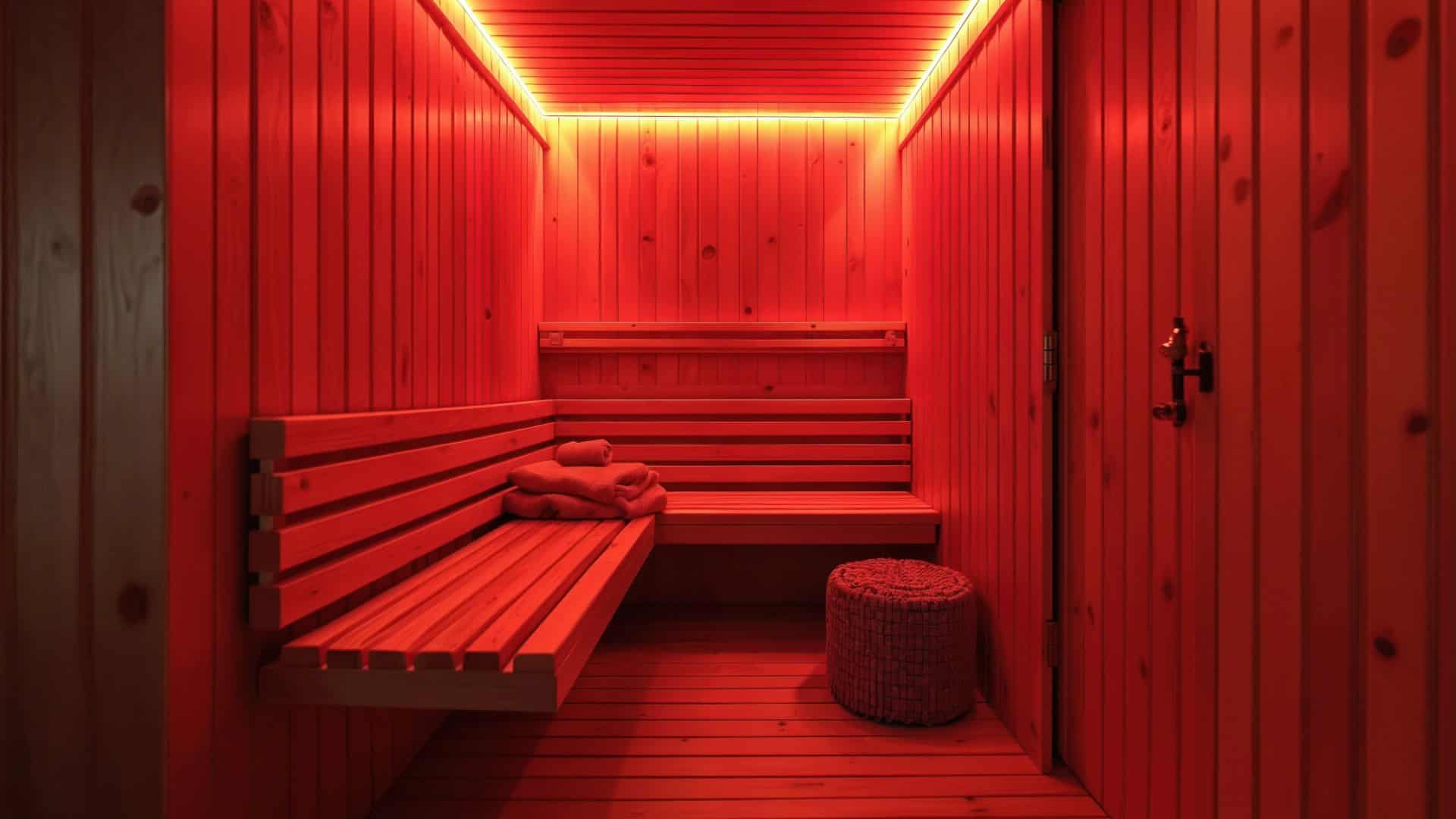
An infrared sauna heats your body directly using infrared light, rather than heating the surrounding air the way a traditional sauna does. Here is what studies have found it can help with.
- Reduced muscle soreness after training: A study on athletes found that a post exercise infrared sauna session led to noticeably less muscle soreness and better preserved explosive performance compared to not using one (Refer to reference 1).
- Support for cardiovascular health markers: Research reviewing infrared sauna use has found improvements in measures of blood vessel health and blood pressure with regular use over time (Refer to reference 2).
- A genuine relaxation effect: Regular sauna use has been linked to lower stress hormone levels and improved mood, which supports the general sense of relaxation people report after a session.
One claim worth being honest about: the popular idea that sweating in a sauna "detoxes" your body is not well supported. Your liver and kidneys handle that job. The real, evidence backed benefits are recovery, relaxation, and cardiovascular support, not detoxification.
How to Use an Infrared Sauna for Recovery
- Frequency: Research showing meaningful benefits generally used sessions 3 to 4 times per week over several weeks, not a single occasional visit. That kind of frequency fits naturally into a demanding split like a 6 day workout routine, where the extra recovery support has more work to do.
- Duration and Heat: Sessions in supportive studies typically ran 20 to 30 minutes at a moderate heat setting, not the highest temperature available.
- Timing: Using it after a training session, once your heart rate has already come back down, is a reasonable time to fit it in, alongside whatever your usual post workout routine already looks like.
- Hydration: Drink water before and after your session, since you will sweat noticeably even though the air itself is not as hot as a traditional sauna.
Tracking Whether It Is Working For You
| Tracking Metric | Good Sign | Warning Sign |
|---|---|---|
| Muscle Soreness | Noticeably less soreness the day after a hard session when you use the sauna afterward. | No difference in soreness, or feeling more fatigued than usual afterward. |
| How You Feel After | Calmer, relaxed, and clear headed once you cool back down. | Lightheadedness, nausea, or a racing heart that does not settle after leaving the sauna. |
| Hydration Status | Normal thirst and urine color after rehydrating. | Persistent dizziness or very dark urine, signs you are not rehydrating enough. |
A Quick Note: Infrared sauna use raises your heart rate and body temperature. If you have a heart condition, low or high blood pressure, are pregnant, or take medications that affect heat regulation, talk to a doctor before using one. Exit immediately if you feel dizzy, nauseous, or unwell. This article is general fitness information, not medical advice.
The High-Performance Takeaway: An infrared sauna will not detox your body, but used consistently and safely, it can genuinely ease muscle soreness, support cardiovascular health, and help you settle down after hard training. Treat it as one tool in your recovery routine, not a replacement for sleep, nutrition, or good programming.
References:
1. A post-exercise infrared sauna session improves recovery of neuromuscular performance and muscle soreness after resistance exercise training, PMC: https://www.ncbi.nlm.nih.gov/pmc/articles/PMC10286597/
2. Far-infrared saunas for treatment of cardiovascular risk factors: Summary of published evidence, PMC: https://pmc.ncbi.nlm.nih.gov/articles/PMC2718593/