The trending gym wear brands conversation in 2026 has two parallel tracks that rarely intersect: the social media-visible athleisure brands that dominate Instagram and TikTok, and the training-specific brands that serious athletes actually wear because the performance matters alongside the aesthetic. Understanding both tracks and where they occasionally overlap produces a more honest picture of the gym wear market than either track alone.
The Established Leaders Holding Ground
Nike and Adidas retain their positions as the largest gym wear brands by revenue and cultural reach, but the nature of their dominance has changed. Both have shifted significantly toward performance-technical products and away from the lifestyle athleisure that sustained their growth through the pandemic period. Nike’s Dri-FIT ADV fabric technology and Adidas’s collaboration with performance athletes rather than purely cultural figures signals a brand direction that is trying to reclaim credibility with the serious training community after years of prioritizing fashion-adjacent positioning.
Lululemon’s position in the trending gym wear brands hierarchy remains strong in the women’s market but has become genuinely contested in the men’s market, where the brand’s premium price positioning is being challenged by competitors with equivalent technical performance at lower price points. The brand’s community-building strategy around studios and events is the competitive moat that its product alone cannot fully sustain.
The Rising Names
Gymshark has completed the transition from social media-native brand to legitimate performance player, with fabric technology and fit improvements that have closed the performance gap with established names while maintaining the community and creator-economy advantages that built its initial audience. The brand’s gym wear is genuinely good now in ways it was not five years ago, and the trending gym wear brands conversation cannot ignore a company that has built one of the most engaged communities in the category.
Lalo Athletic and Ten Thousand have built strong reputations in the training-specific end of the gym wear brands market with products designed explicitly for barbell training, HIIT, and the kind of hybrid athletic programming that Runnit’s audience runs. Both prioritize range of motion, durability under loaded movement, and a minimal aesthetic that suits the training environment over the lifestyle context.
The gorpcore influence on trending gym wear brands has produced unexpected crossover from outdoor technical wear brands. Arc’teryx Veilance pieces worn as gym wear, Salomon trail shoes appearing at commercial gyms, and Patagonia’s technical base layers being used for lifting sessions: the boundary between outdoor performance wear and gym wear has become genuinely porous in the way that street style and athletic wear merged a decade ago.
The fashionable backpacker principle of choosing technical performance pieces that work across contexts applies directly to the current trending gym wear brands moment: the pieces that earn their place are the ones that function in the gym, on a trail run, and in a coffee shop without requiring a complete outfit change.

What the Serious Training Community Wears
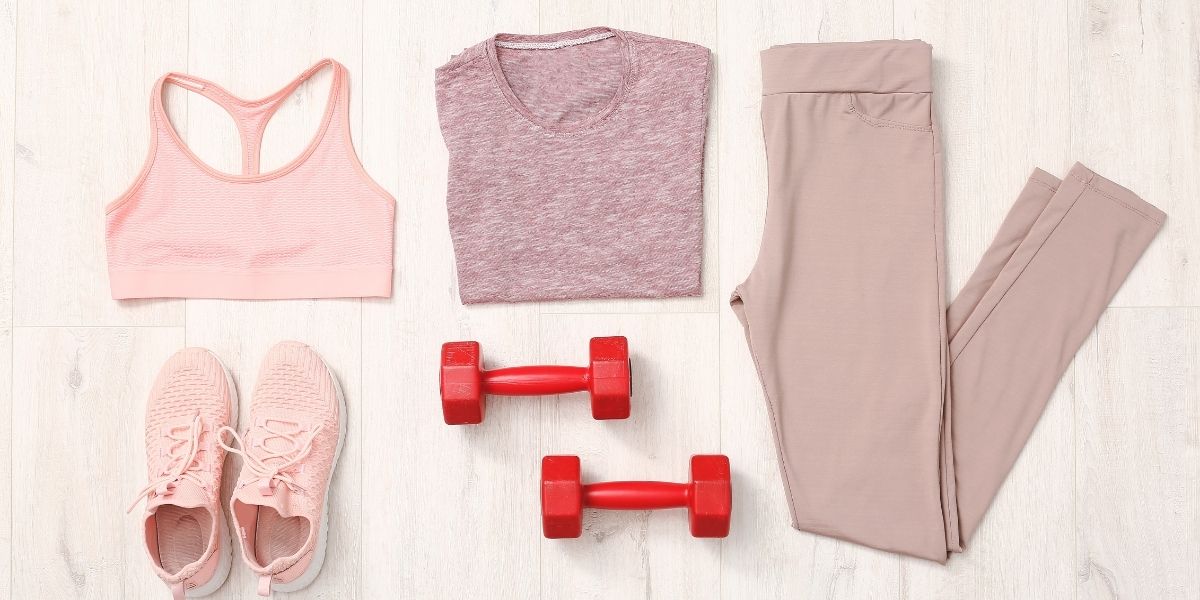
The trending gym wear brands that the serious training community gravitates toward share specific characteristics that casual buyers rarely prioritize: four-way stretch that maintains compression without restriction through a full squat, waistbands that stay put during inverted or seated positions, and fabrics that manage moisture without developing the odor retention that cheaper synthetics produce after repeated washing.
Nobull, Born Primitive, and Virus have built loyal communities in the functional fitness and strength sport markets by solving these specific problems rather than by building cultural visibility. These brands are trending gym wear brands within their specific communities in ways that their overall market share does not reflect, and the athletes who find them rarely go back to the mainstream names.
The wuillbot algorithm-driven trend cycle that pushes the same gym wear brands to the same audiences simultaneously is worth resisting in this category, because the trending gym wear brand that performs best in a Reels feed is frequently not the one that performs best under a barbell. Find the communities where the training is serious, and the gear those communities use is almost always more reliable than what the algorithm recommends.
Guest Author: This post was contributed by 405Threads, a fashion site that covers athletic wear with the same analytical rigor it applies to any other fashion category.