Military fitness culture has long relied on bodyweight training as its foundation, and a military calisthenics workout borrows directly from that tradition, structured around the same push-up, pull-up, sit-up, and running combinations that actual military fitness tests are built on.
Why Bodyweight Training Anchors Military Fitness Standards
Military fitness tests exist specifically to measure functional, real-world capability, not maximal strength in a single lift, which is exactly why bodyweight movements dominate the format: they demand genuine full-body coordination, muscular endurance, and cardiovascular capacity simultaneously rather than isolating one quality at a time.
The Core Movement Categories
A military calisthenics workout typically covers four categories: upper body pushing (push-ups in high volume), upper body pulling (pull-ups, often to a specific standard), core endurance (sit-ups performed for volume rather than a single max effort), and running (timed distance runs testing cardiovascular capacity under real fatigue). Training all four consistently, rather than favoring the movements that already come easily, is what actually builds the balanced capability the format is designed to test.
Structuring a Realistic Training Session
A typical session alternates between max-effort or high-volume sets of the four core movements and structured rest, often performed as a circuit to build the specific fatigue-resistance the actual tests demand. Building volume gradually over weeks, rather than attempting test-level repetition counts from day one, both prevents injury and produces more reliable, durable progress than an unsustainable early push followed by a plateau.
Building the Endurance Base This Format Demands
Because military calisthenics workouts test sustained output under fatigue rather than a single maximal effort, real aerobic conditioning matters enormously alongside the strength work itself; the same principles covered in is creatine good for runners and other athletes training for repeated high-effort output apply directly here, since creatine’s evidence base specifically supports the kind of short, powerful, repeated efforts this training format demands.
Where Kettlebells Fit Into the Picture
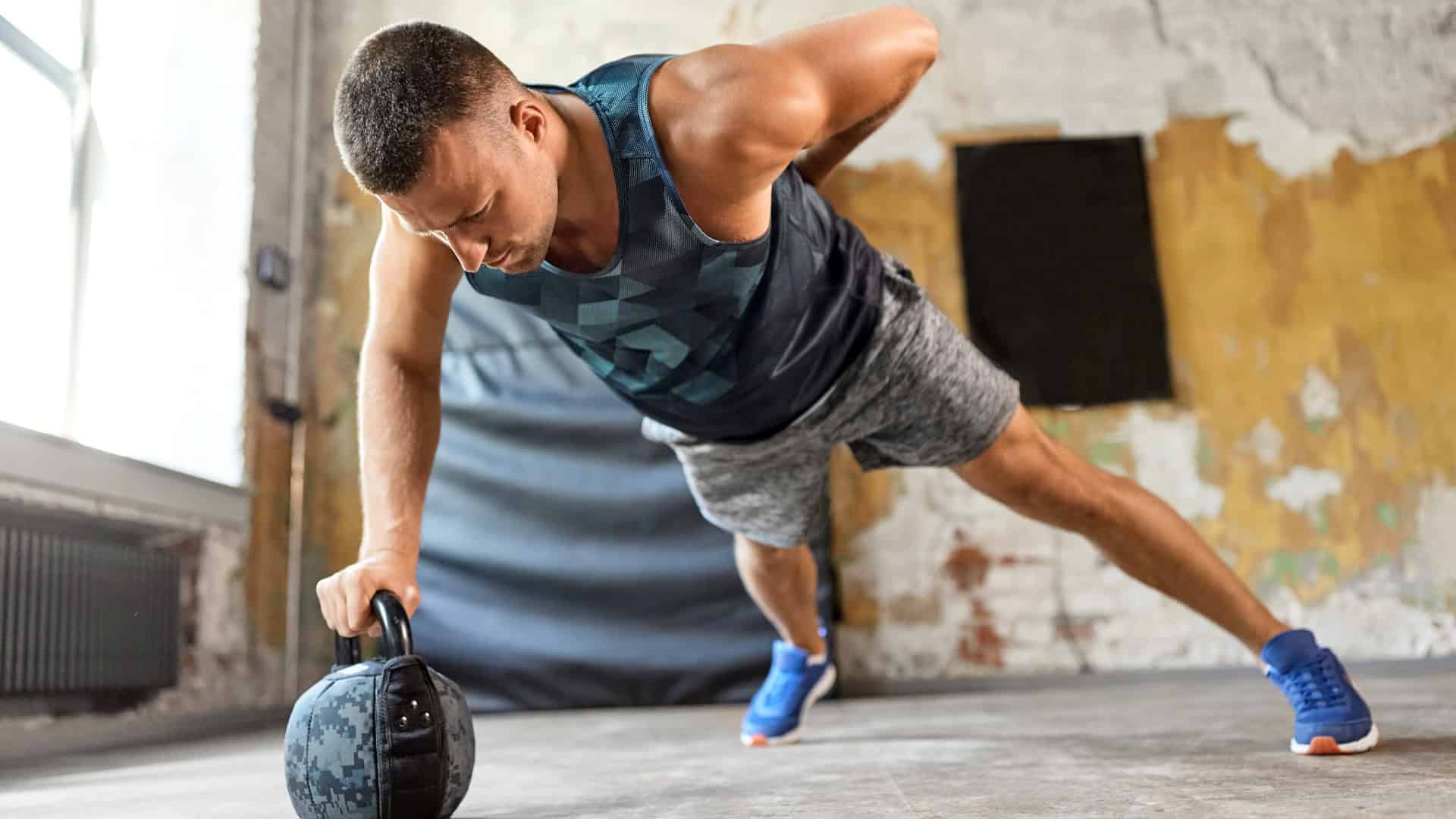
While traditional military calisthenics relies purely on bodyweight, adding kettlebell work builds complementary strength and conditioning that transfers directly back into bodyweight performance; our guide to kettlebell workouts for men covers exactly how a single versatile tool can round out a bodyweight-focused training block without requiring a full gym setup.

Progressing Your Military Calisthenics Workout Further
Once foundational push-up, pull-up, sit-up, and running numbers reach a solid baseline, more advanced kettlebell-based conditioning work becomes genuinely valuable for continued progress; our guide to the best kettlebell exercises covers movements specifically chosen for their carryover into exactly this kind of functional, endurance-heavy training goal.
A Word of Caution: High-volume formats like this are where overuse injuries, shin splints, joint irritation, and repetitive strain, build up quietly before they become a real problem. Persistent pain that doesn’t resolve with a rest day is a signal to scale back volume and consult a qualified physical therapist or sports medicine professional rather than pushing test-level numbers before the tissue is ready for them.
A military calisthenics workout builds genuinely functional strength and endurance through the same push, pull, core, and running combination real fitness standards are built around. Train all four categories consistently, build volume patiently, and the format delivers real, well-rounded capability rather than narrow strength in a single movement.