Vibration plates have moved from a niche recovery tool into something you will see in most commercial gyms, but the evidence behind them is more modest than the marketing around them suggests. This review focuses on what the research actually supports rather than the more dramatic claims attached to the category.
What a Vibration Plate Actually Does
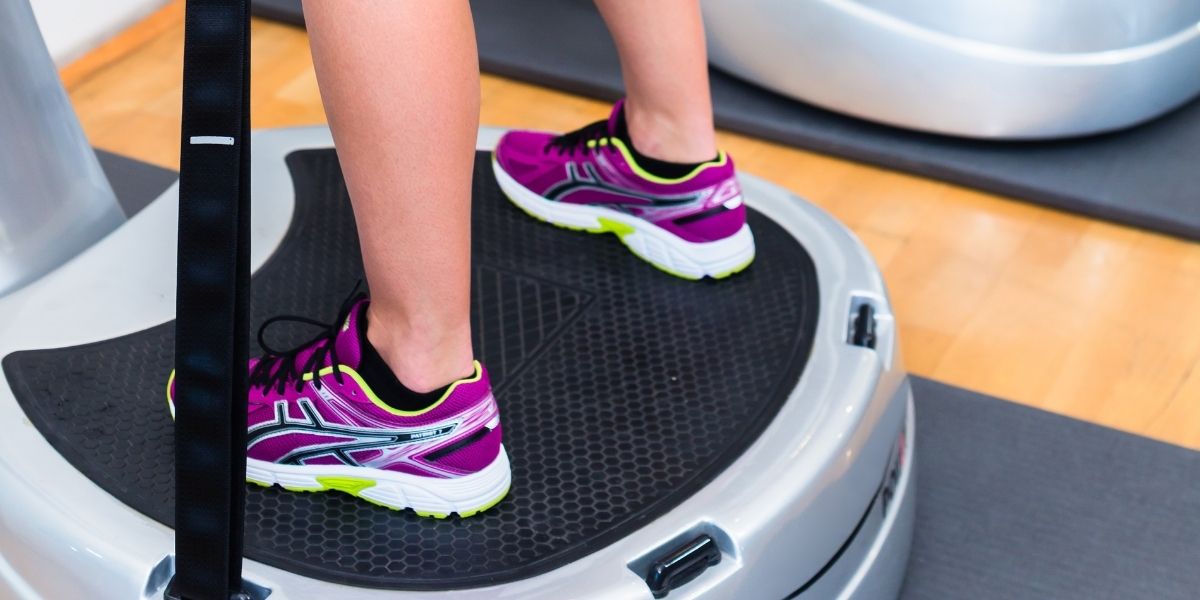
A vibration plate is a platform that oscillates at a set frequency while you stand, sit, or move on it, which triggers rapid, repeated muscle contractions as your body reflexively responds to the instability. This mechanism is the basis for most of the legitimate research on the category, and it is fundamentally different from the passive, purely relaxing use many people assume when they see one in a gym corner.
Where the Evidence Is Strongest
The most consistent research support exists for older adults and populations working on balance, muscle strength, and bone density, with some studies showing meaningful improvements in these areas when vibration training is added to a broader program. Whole body vibration has also been studied for decades in physiotherapy and even by NASA in the context of counteracting muscle and bone loss, so the underlying concept is not new or fringe, even though the consumer version marketed today is a more recent trend.
Where the Evidence Is Weaker
Claims around significant fat loss, dramatic strength gains for already trained individuals, or vibration plates as a replacement for actual resistance training are not well supported. Most researchers in this space describe the evidence as limited or mixed rather than conclusive, and the honest takeaway is that a vibration plate can add some variety and stimulus, but it does not match structured resistance training for building real strength or changing body composition.
Who Might Actually Benefit
Older adults working on balance and bone health, people recovering from certain injuries under professional guidance, and athletes looking for a low intensity addition to a warm up or cool down are the groups most likely to see a meaningful benefit. If you are already doing consistent beginner bodyweight workout training and looking for something to add on top, a vibration plate is a reasonable low risk addition, but it should not be your primary training tool.
Who Should Be Cautious
Anyone pregnant, recovering from recent surgery, or managing a heart condition should get medical clearance before using a vibration plate, since the oscillation places genuine physiological demand on your cardiovascular and musculoskeletal systems even though the movement itself looks passive. This is a reasonable caution to take seriously rather than a generic disclaimer.

Using One as Part of Recovery
A short session on a vibration plate, generally 10 to 15 minutes, can be a reasonable addition to a recovery day alongside other tools, similar to how ice bath temperature matters more for genuine recovery benefit than most people initially assume. Neither tool works as a substitute for the basics of sleep, nutrition, and appropriately structured training, but both can support the process when used consistently.
What to Look for Before Buying
Frequency range and amplitude adjustability matter more than the number of preset programs a machine advertises, since the actual vibration parameters are what drive whatever benefit exists, not the marketing features layered on top. A stable, sturdy platform with a reasonable weight capacity matters more long term than handles or attached resistance bands, which are often the first things to feel flimsy on lower quality machines.
The Bottom Line
A vibration plate is a legitimate but limited tool, most useful as a supplement to real training rather than a replacement for it. If your actual goal is building strength and conditioning, time spent on kettlebell workouts for men or another structured resistance program will do far more for you than any amount of time standing on a vibrating platform.