
Welcome to runnit.co
Unleash Your Power, Redefine Your Limits
Elevate your fitness with expert coaching, top-notch equipment, and a supportive community. Whether you’re starting out or leveling up, we’re here to help you reach your goals.
Runnit.co is a premier digital publication dedicated to high-performance fitness, specializing in hybrid athletic training, minimal equipment programming, and joint longevity. We destroy the myth that athletes must choose between raw strength and elite cardiovascular capacity by providing a science-backed, data-driven framework for modern physical performance.
This platform is engineered specifically for competitive endurance athletes, functional fitness competitors, home gym minimalists, and busy professionals who demand maximum physical results without burning out.
Visitors can expect to find expert-guided programming templates that systematically balance heavy barbell compounds with progressive energy-system training. We deliver comprehensive, actionable blueprints to master bodyweight manipulation, optimize targeted mobility protocols to stay entirely injury-free, and leverage practical, sport-specific nutritional strategies designed to unlock your absolute multi-sport potential.
Programs
Hybrid Athletic Training
Designed to help you reach your full potential, whether it’s improving strength, endurance.
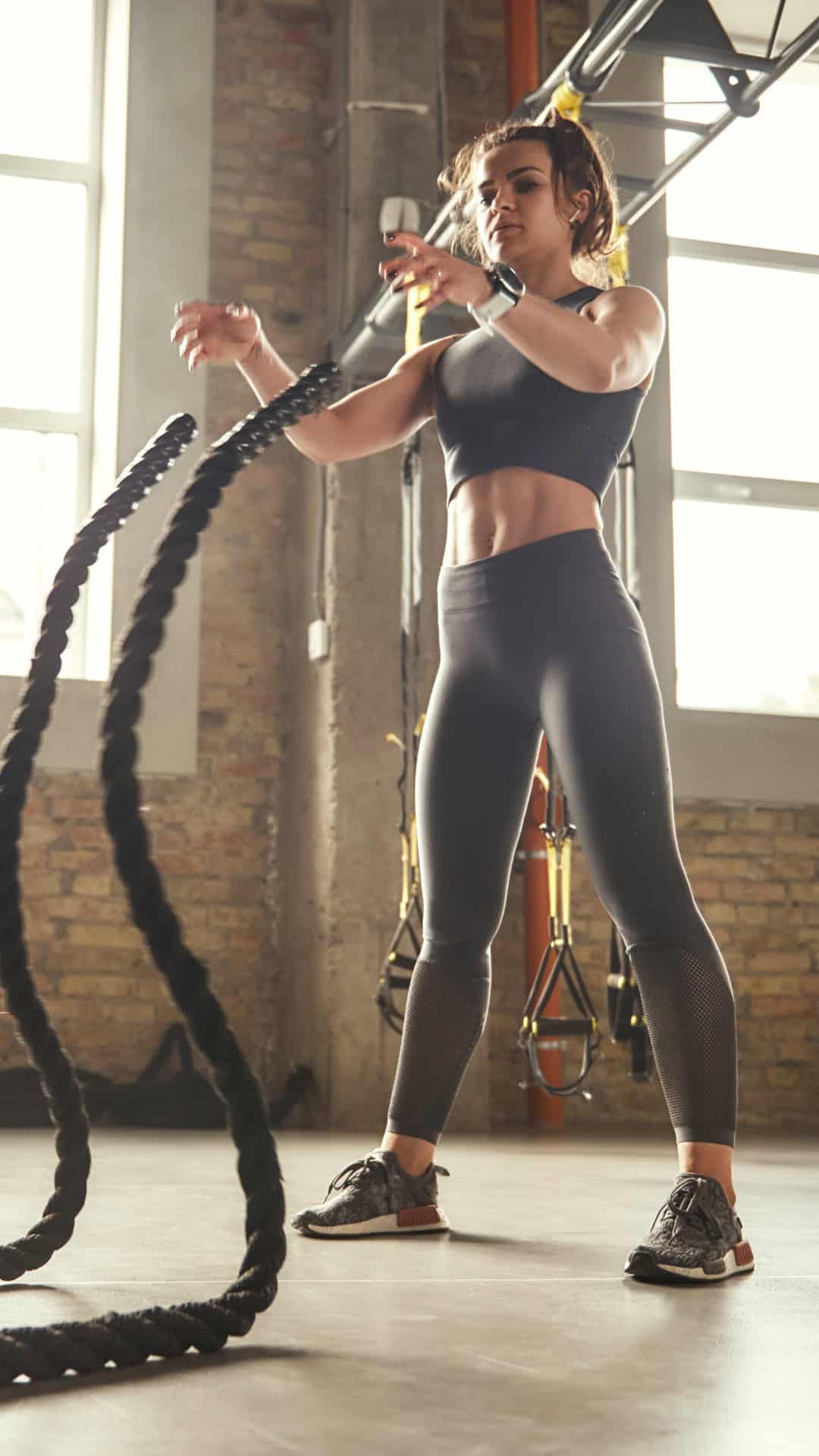
Minimal Equipment Workout
We’ll help you stay on track and focused on what matters most—wherever you are

Mobility & Recovery
With expert trainers and diverse workout programs, we provide the tools and support you need for a proper recovery
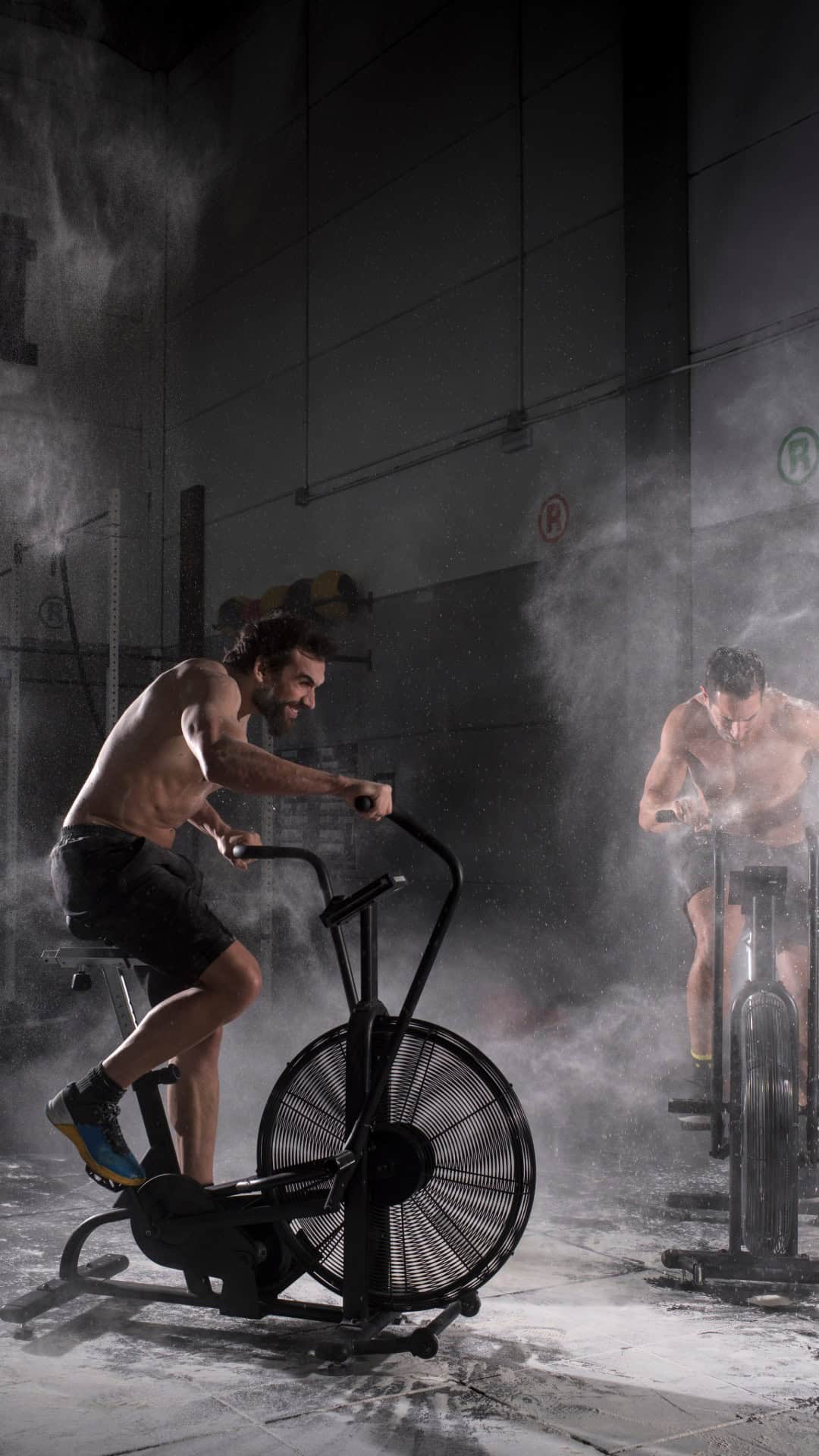
Everything In One Place
Programs, Cardio, trainers, Everything
We offer everything you need to achieve your fitness goals. From expert trainers and diverse workout programs and a supportive community.
Recently Posted
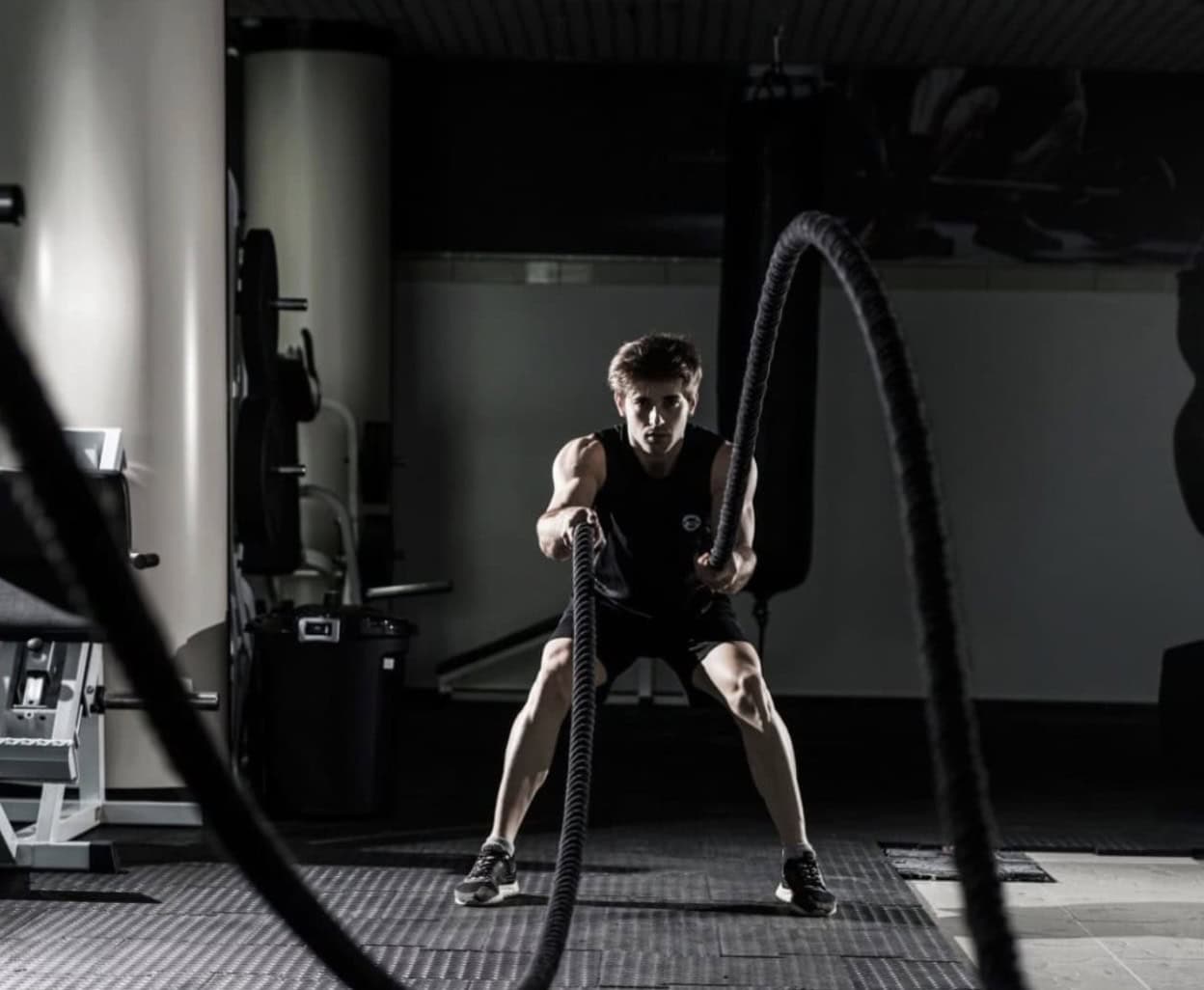
Runnit.co is built around one goal: helping hybrid athletes get stronger without giving up their engine, and build a bigger engine without losing strength. Every guide on this site falls under one of four training pillars that work together to get you there.
Here’s what each pillar covers:
-
Hybrid Athletic Training: Programming that lets you train strength and endurance in the same week without one wrecking the other, built for HYROX and CrossFit athletes chasing both.
-
Minimal Equipment Workouts: Progressive strength and calisthenics templates that work with a barbell, a pair of dumbbells, or just your bodyweight, built for home gyms and travel.
-
Mobility & Recovery: Joint-friendly mobility work and recovery protocols that keep you training instead of sidelined by nagging injuries.
-
Nutrition & Lifestyle: Practical fueling guidance, timing, macros, and strategy, for people training two disciplines at once.
Every guide is written by someone who actually trains this way, not just a generalist blogger. Our coaches program hybrid training for real clients, which is why the routines get specific: exact calisthenics progressions, real conditioning numbers, not vague advice.
Post from our head coach – Chloe Mercer – Neuro-Structural Biomechanics & Athletic Longevity

The Ultimate Recovery Workout: Mobility Drills for High-Performance Athletes
Most people treat flexibility work as an afterthought, something rushed through with a few half hearted stretches at the very end of a hard training session. Meanwhile, the actual state of their joints quietly gets worse. Tight hips, stiff ankles, and locked up…
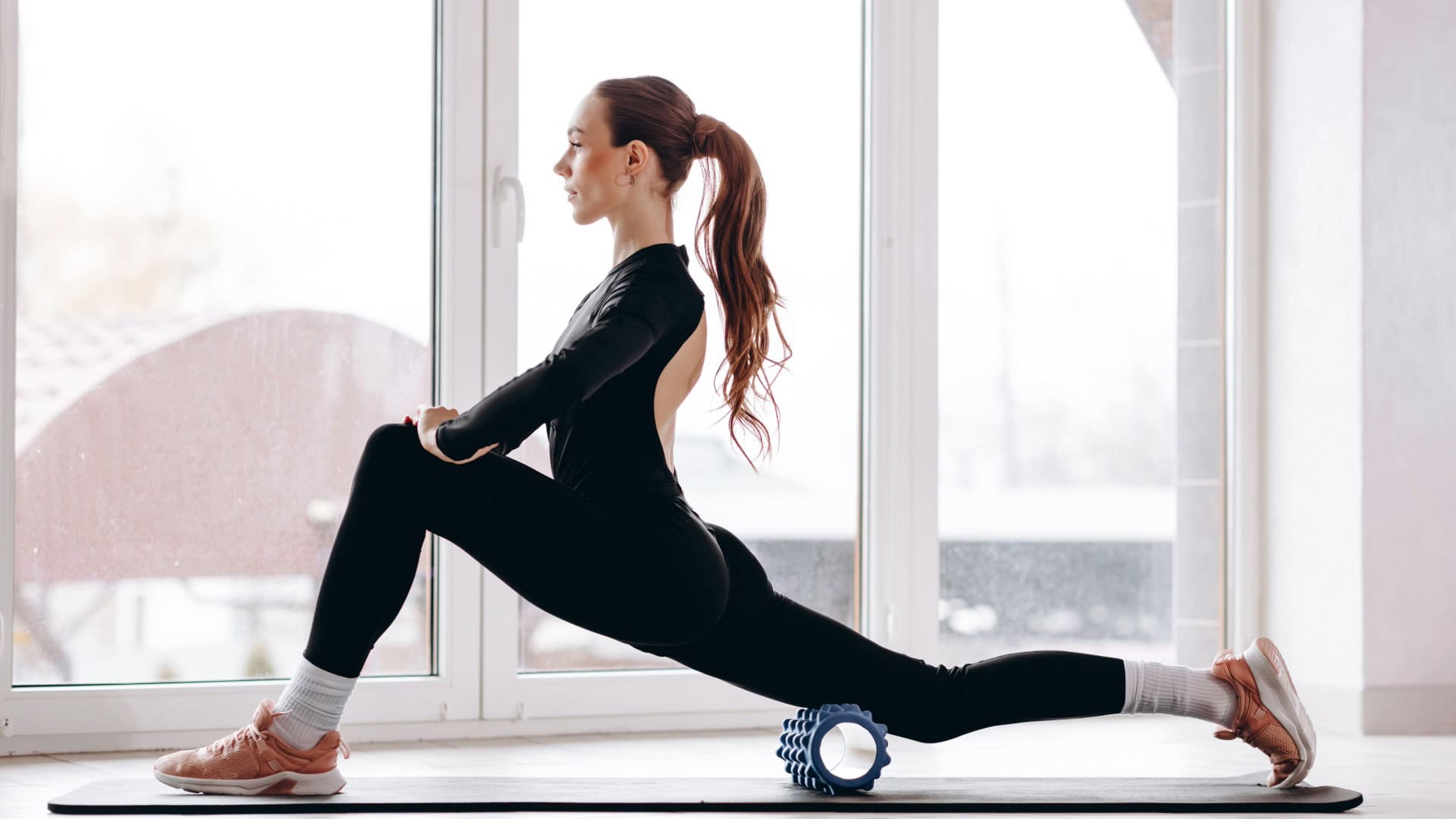
Recovery Techniques Compared: What Active vs Passive Recovery Actually Does for Your Muscles
Spend a few minutes on fitness social media and you will find a pile of conflicting advice about recovery. One person swears a cold plunge is the only thing that matters. Another insists a slow yoga flow is the real secret. Most people end up picking whichever one…
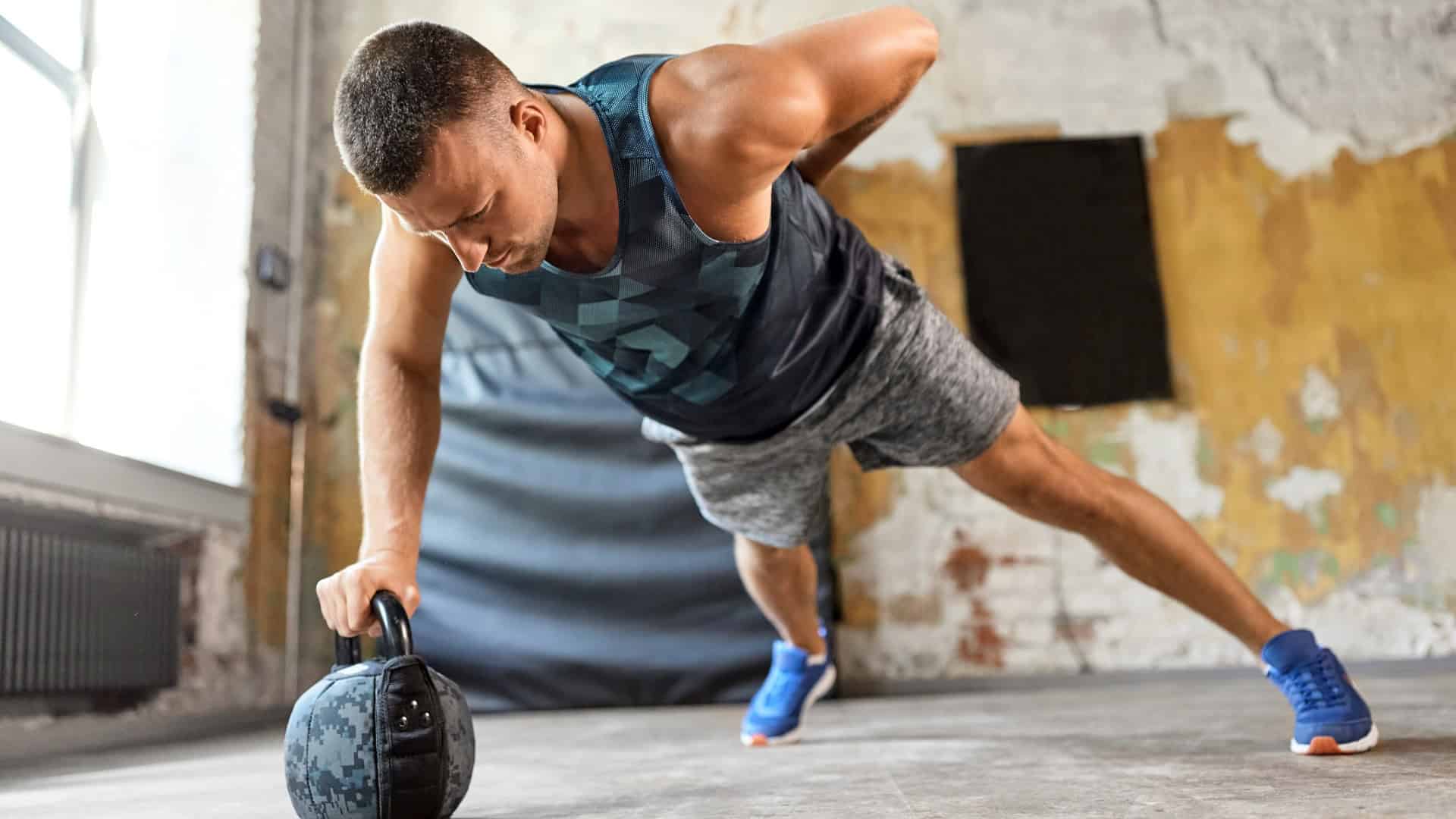
Home Workout Results: Do Minimal Equipment Workouts Really Compare to the Gym?
For decades, the default advice for getting in shape was the same: sign up for a gym membership. We have been conditioned to believe real physical change requires a monthly subscription, a room full of machines, and a rack of heavy plates. That belief is being tested….
about us
Runnit.co is written by people who train this way themselves: testing hybrid programming, mobility work, and recovery protocols before writing about them. We’re not a clinic, a gym, or a coaching service, we’re a small group who cares enough about getting the training right that we try it ourselves first. That’s the standard behind every guide on this site: does it actually hold up in practice, not just how it reads on paper.
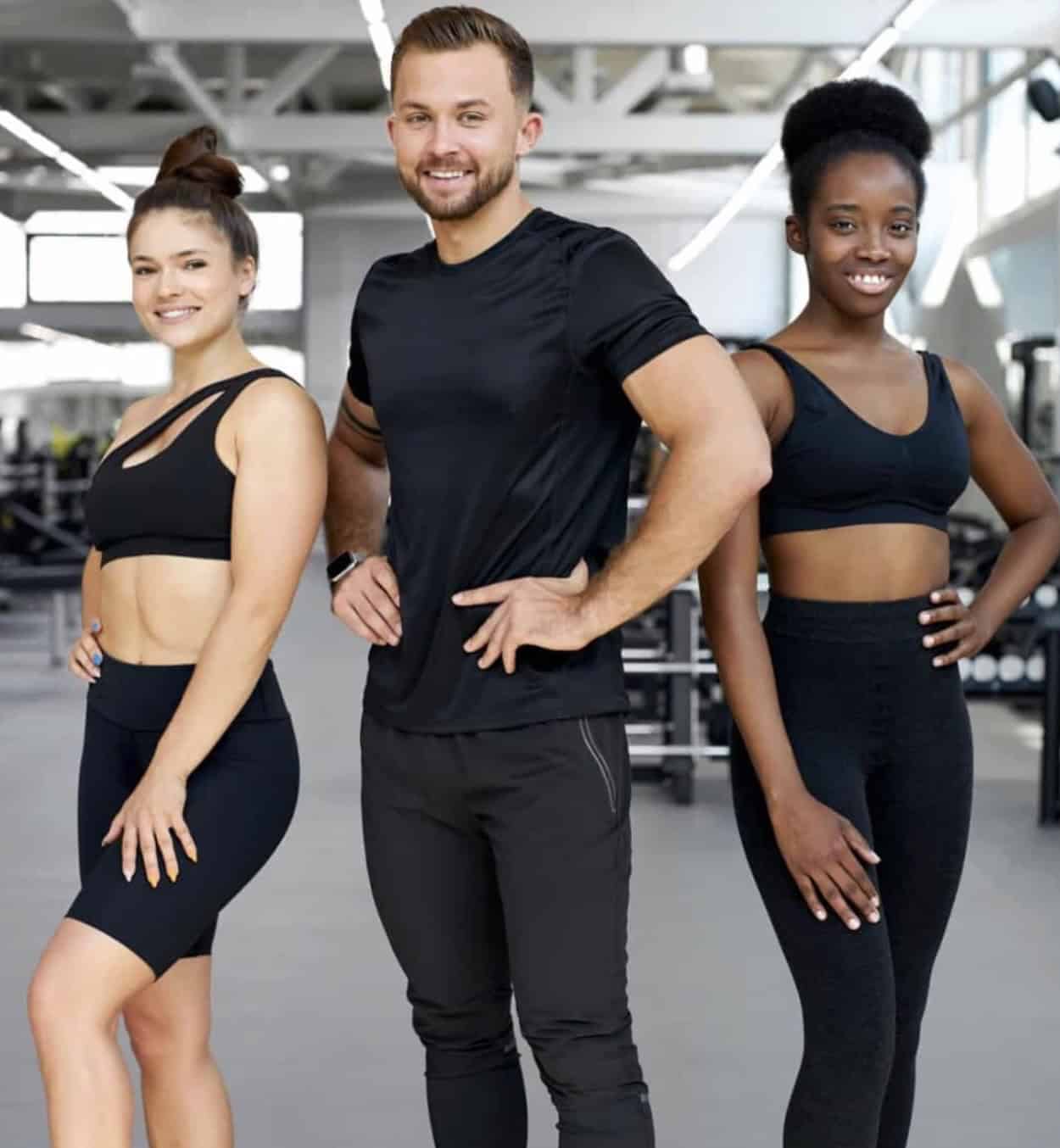
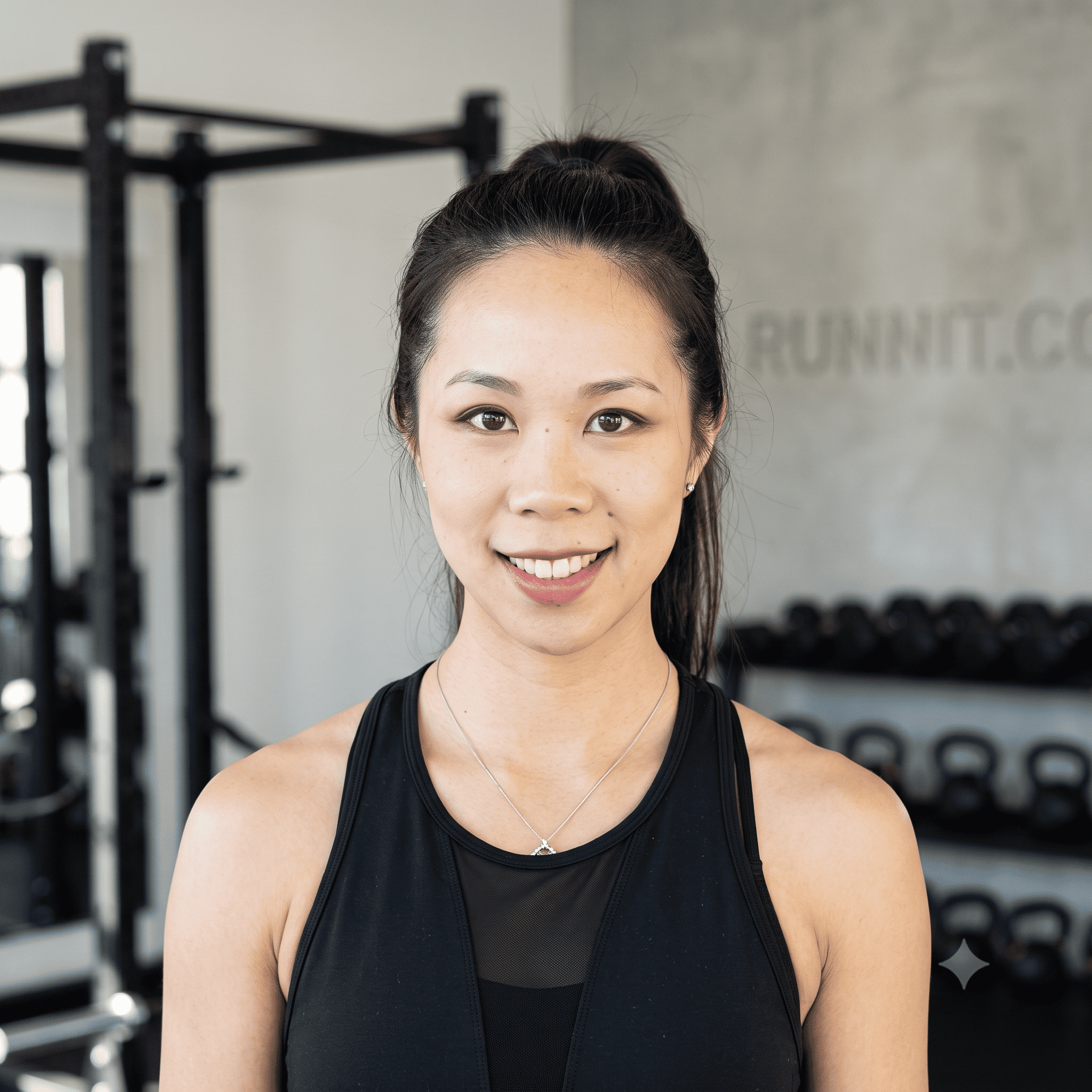
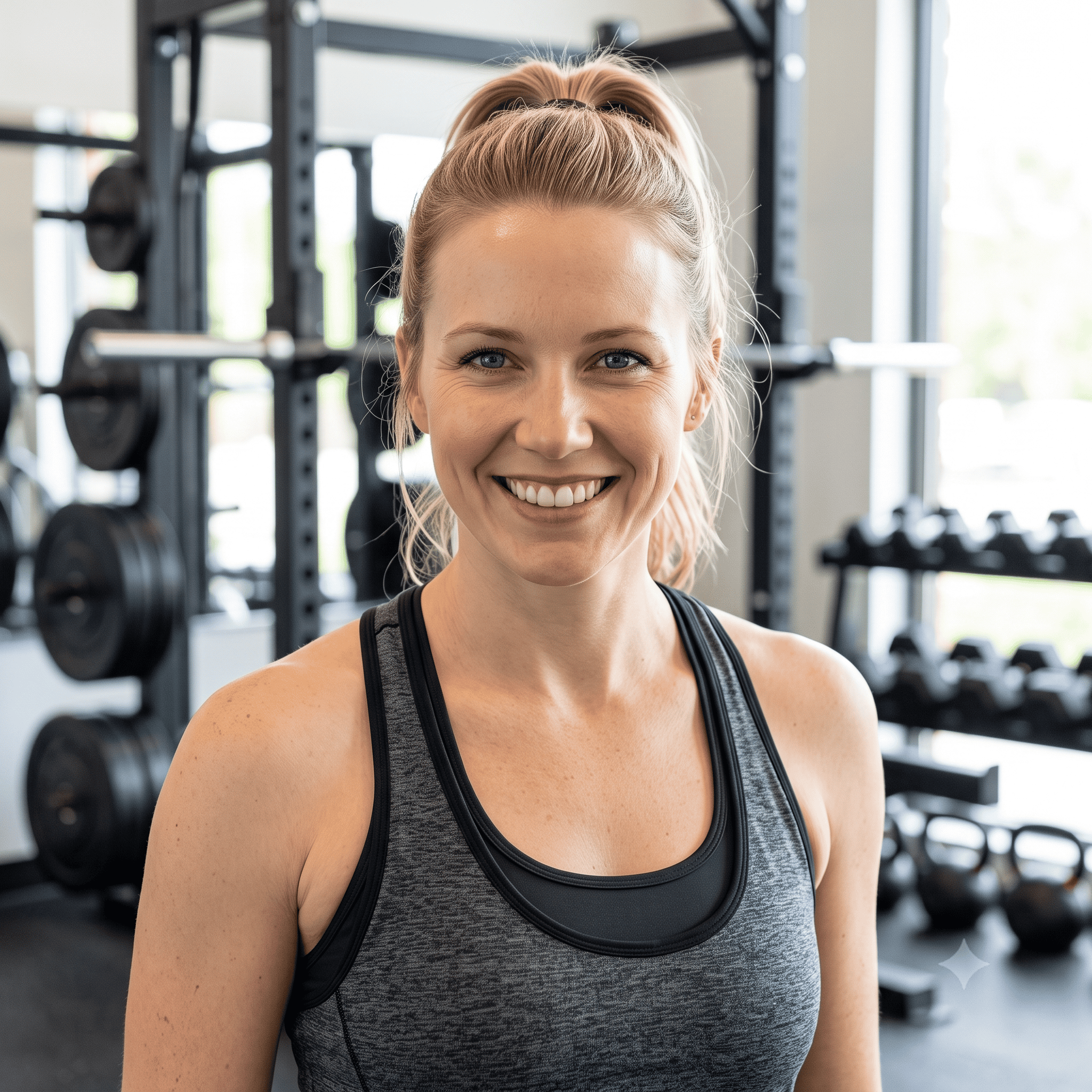
Our coaching team brings the credentials to back that standard up. Chloe leads with a background in neuro-structural biomechanics, Maya and Valerie bring years of hands-on strength and conditioning coaching, and Savannah covers the endurance and metabolic side. Between us, we’ve competed, coached, and rehabbed our own injuries, so the guides here come from lived experience, not just research pulled off a shelf. We revisit older posts whenever the science moves or our own training turns up something new, and every piece gets a second set of eyes before it goes live. If a workout, a drill, or a nutrition strategy doesn’t earn its place here, we don’t publish it.
Maya & Valerie
Runnit’s writers each focus on a different piece of the training puzzle. Chloe covers mobility and movement, working through the joint health side of heavy training. Maya and Valerie cover the strength and conditioning side, concurrent programming and progressive overload, testing what they write about in their own training first. Together they cover the full picture: strength, endurance, and the mobility work that lets you keep doing both.
Savannah krestrel
Savannah covers the endurance side: conditioning, pacing, and building an engine that can back up your strength work. Like the rest of the team, she trains this way herself and writes about what actually holds up, not just theory.

Hybrid Athletic Training
Minimal Equipment Workouts
Mobility & Recovery
Why Choose us?
Real programming, not vague advice
Strength, endurance, and mobility covered together
Written and tested by people who train this way themselves
New guides published every week
Built for real life: home gyms, travel, and packed schedules
Programs scale from first-timers to competitive hybrid athletes
Every protocol backed by exercise science, not trends
Trusted by athletes training for Hyrox, Crossfit, and beyond
Hybrid Athletic Training
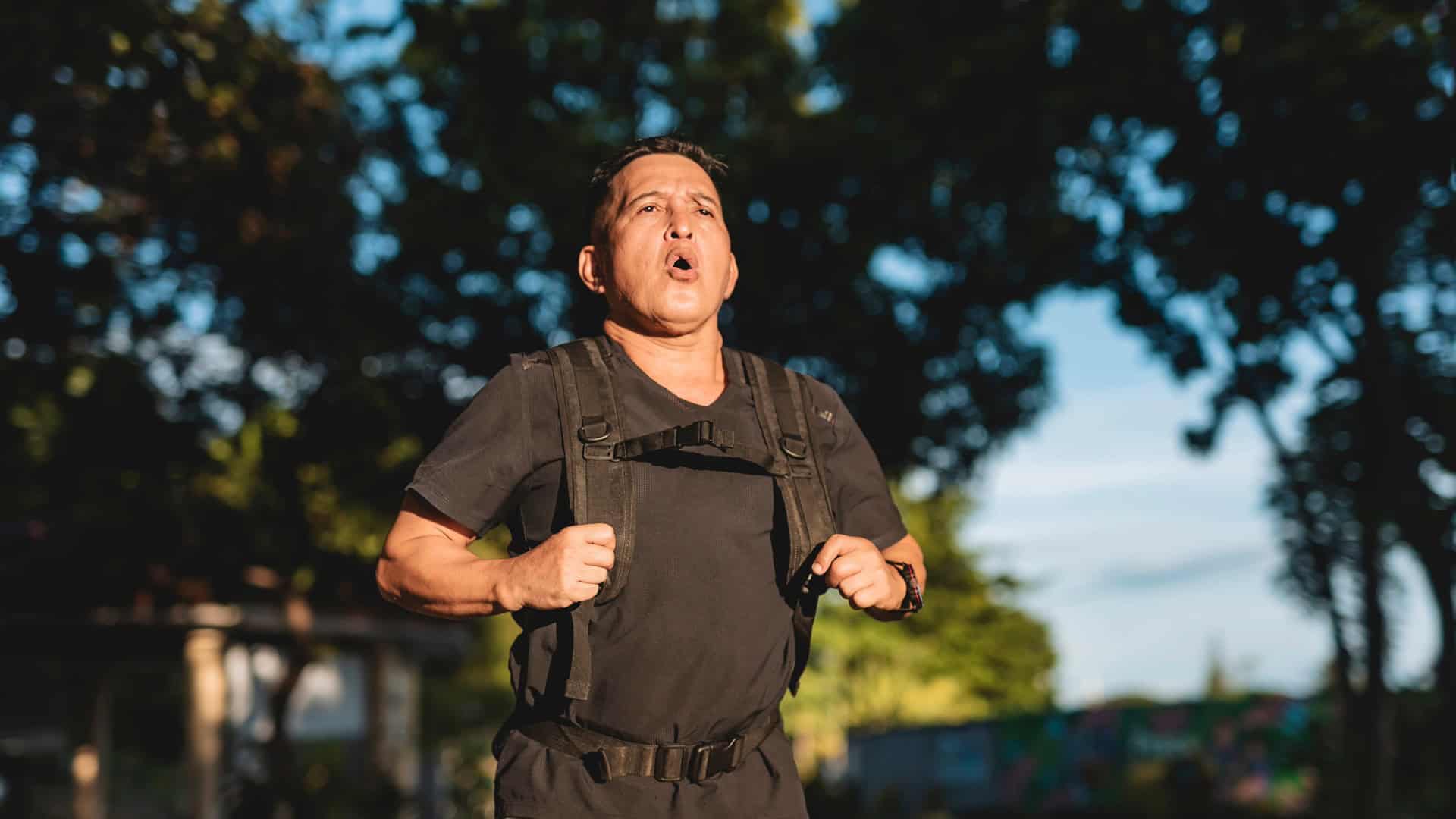
How to Improve Your VO2 Max Without Sacrificing Strength
Most dedicated lifters avoid cardio like it is going to undo everything they have built. They picture a treadmill or a rowing machine and assume that any time spent there is time stolen from their gains, so they skip it entirely and call their lifting sessions their…
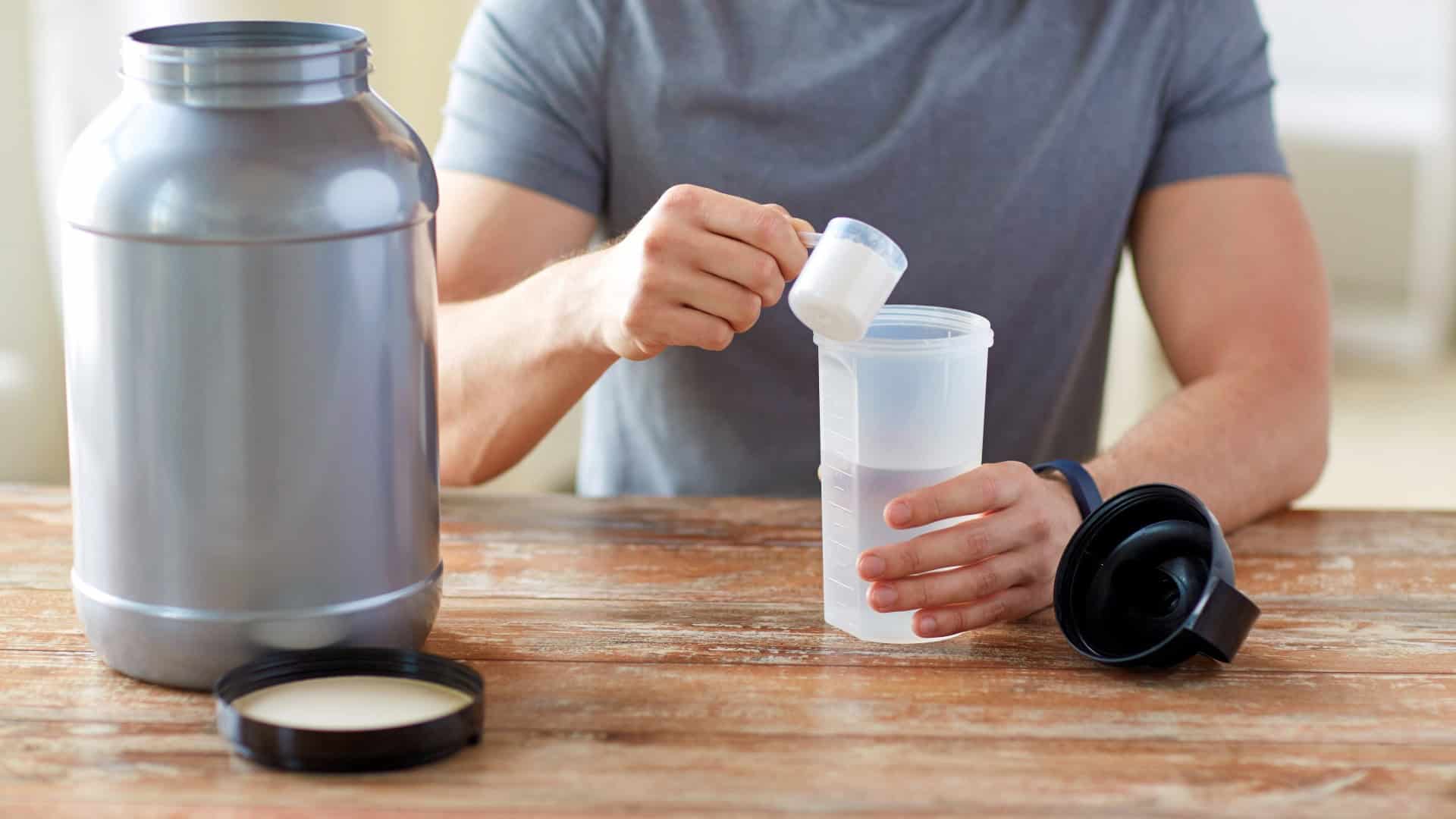
Is Creatine Good for Runners? What Hybrid Athletes Need to Know
Most dedicated lifters take creatine without a second thought. Most dedicated runners avoid it just as automatically, worried it will pack on water weight and slow them down on race day. Both groups are working off partial information. The truth sits in the middle,…

Kettlebell Workouts for Men: Why Mobility Is the Missing Link to Real Strength Gains
Most guys chasing bigger numbers in their kettlebell workouts assume the fix is always more volume, heavier bells, or more grinding. They lift hard, eat their protein, then sit hunched over a desk or a steering wheel for the rest of the day and wonder why their swing…
trainer’s picks

The Heavy Carry Protocol: Kettlebell Functional Training for Raw, Unstoppable Power
A loaded carry exposes weaknesses that a barbell never will. Under a bar, the load path is fixed, the bar guides you, and your nervous system can hide compensations behind a groove you have rehearsed a thousand times. Pick up an awkward, off center object and walk…

The Hybrid Fueling Protocol: Post Workout Nutrition to Feed Strength and Endurance Simultaneously
Concurrent training punishes sloppy nutrition twice as hard as single modality training does. A pure strength athlete can get away with an inconsistent feeding window because the demand on the system is narrow. A hybrid athlete asking the body to build contractile…
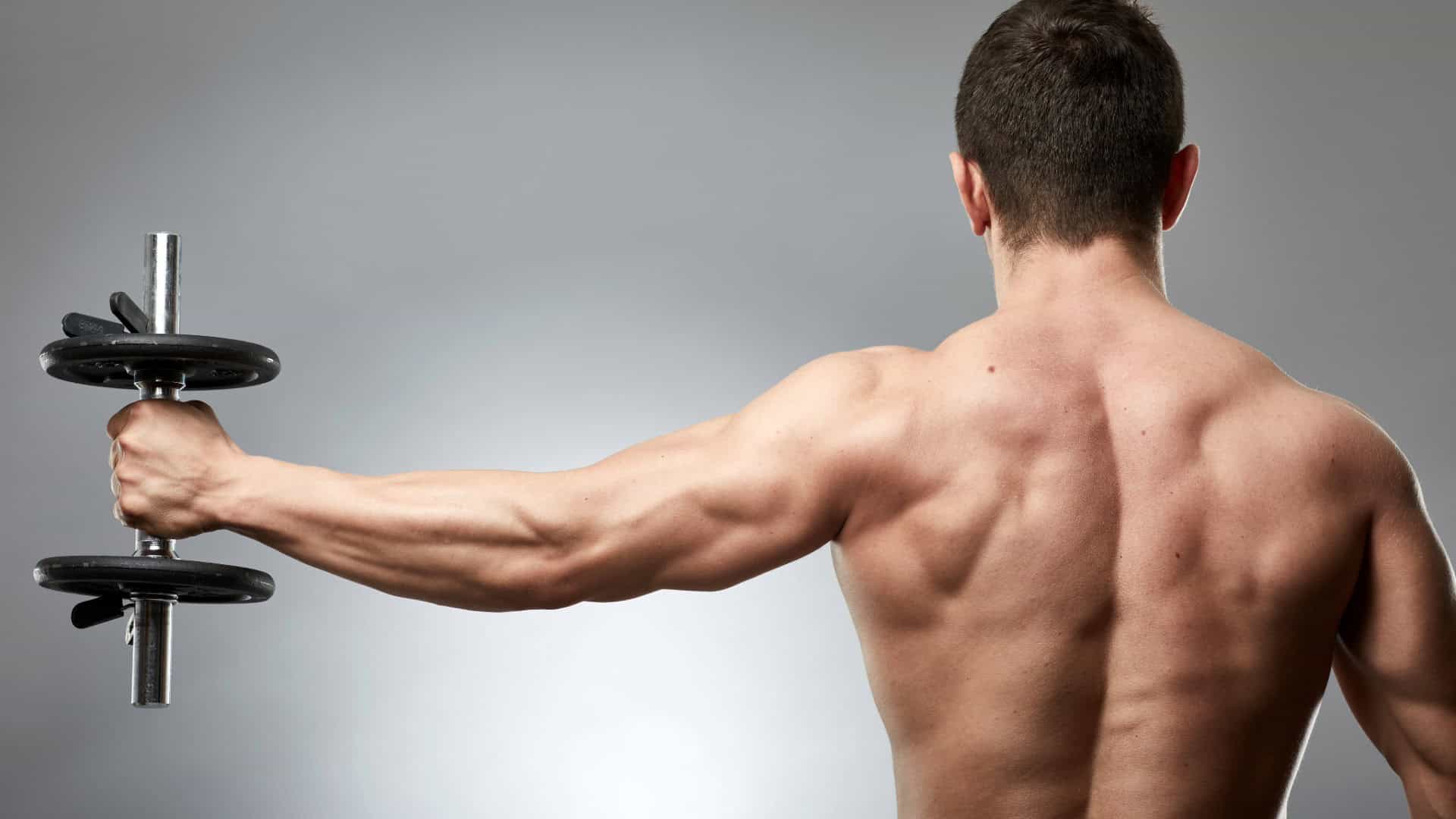
The T-Spine Matrix: How to Strengthen Thoracic Spine Mobility and Protect the Shoulder to Lumbar Chain
The thoracic spine is built for rotation and extension, twelve segments stacked with rib articulations that should move freely under load. When those segments stiffen, the body does not simply lose range of motion in isolation. It borrows range from the joints above…
minimal equipment workouts
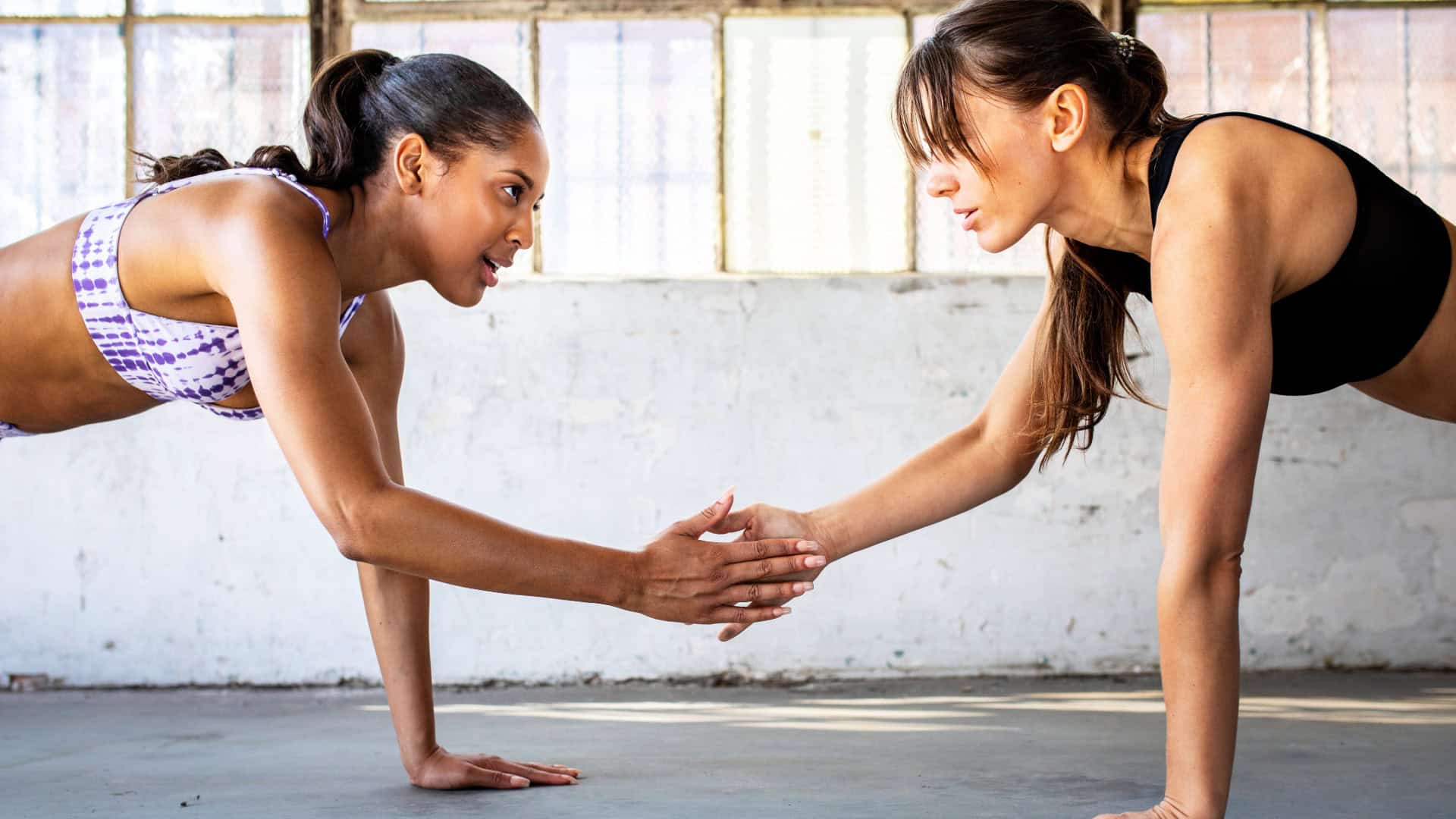
Beginner Push Ups Done Right: The Foundation for Building Elite Strength Without Weights
Most people treat the push up as something they already know how to do. They drop down, bounce off their chest, and call it a rep. Meanwhile, actual strength gains stall out because the foundation was never solid to begin with. Here is the part that gets missed. A…
Home Workout Results: Do Minimal Equipment Workouts Really Compare to the Gym?
For decades, the default advice for getting in shape was the same: sign up for a gym membership. We have been conditioned to believe real physical change requires a monthly subscription, a room full of machines, and a rack of heavy plates. That belief is being tested….
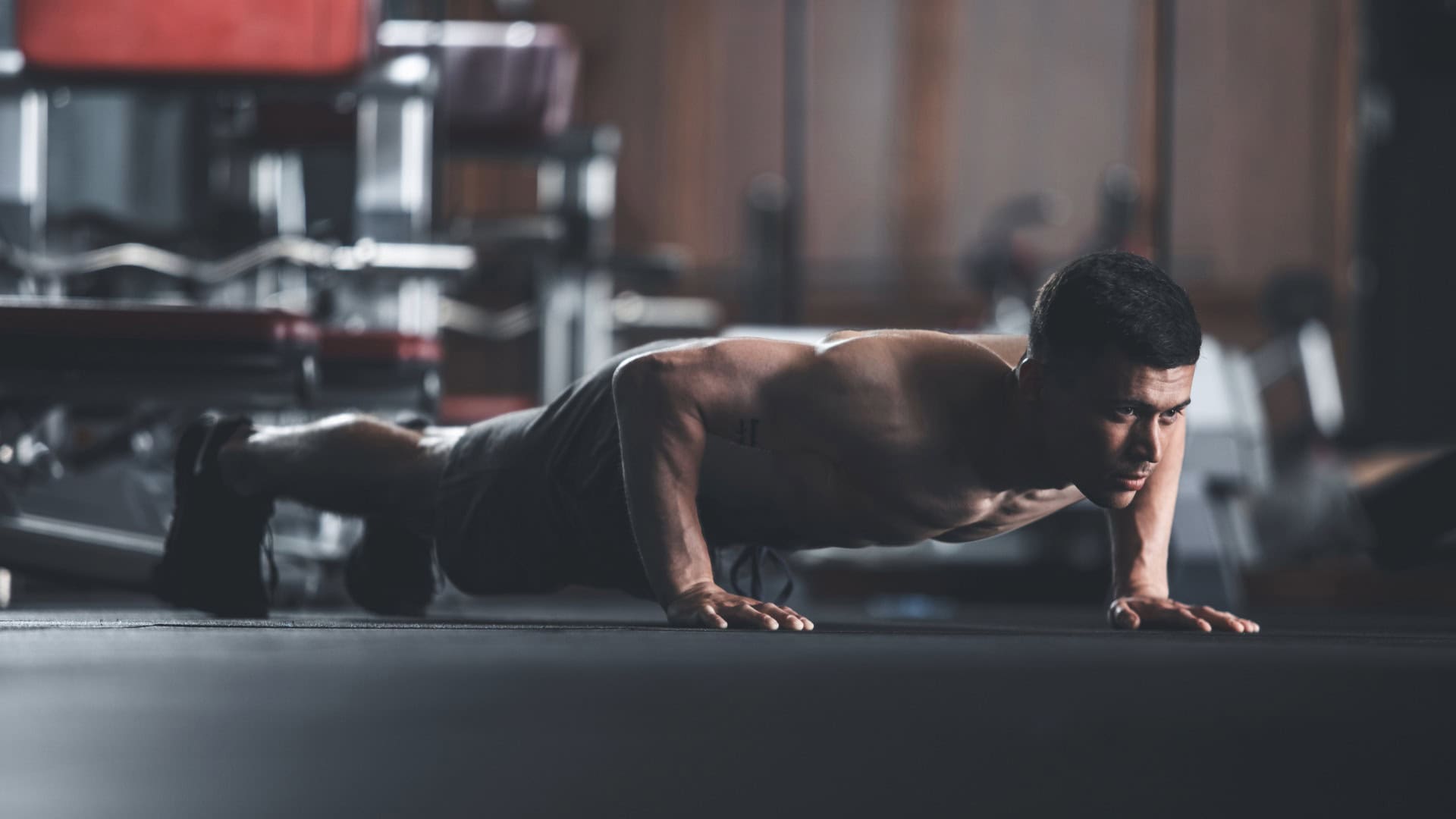
How to Build Muscle at Home Without Equipment: The Progressive Overload Method
The basic rule of building muscle is simple: your body needs a reason to keep adapting. In a gym, that reason is easy to create. The weight feels manageable, so you add another plate. At home, once you run out of dumbbells or the exercise starts feeling easy, most…
mobility and recovery

Ice Bath Temperature: A Simple Guide to Getting Cold Exposure Right
Most athletes who try an ice bath do it the same way. They dump in a bag or two of ice, wait until it feels cold enough, and climb in without really knowing what temperature they are sitting in. Some sessions feel brutal for no reason. Others barely feel cold at all….
The Ultimate Recovery Workout: Mobility Drills for High-Performance Athletes
Most people treat flexibility work as an afterthought, something rushed through with a few half hearted stretches at the very end of a hard training session. Meanwhile, the actual state of their joints quietly gets worse. Tight hips, stiff ankles, and locked up…
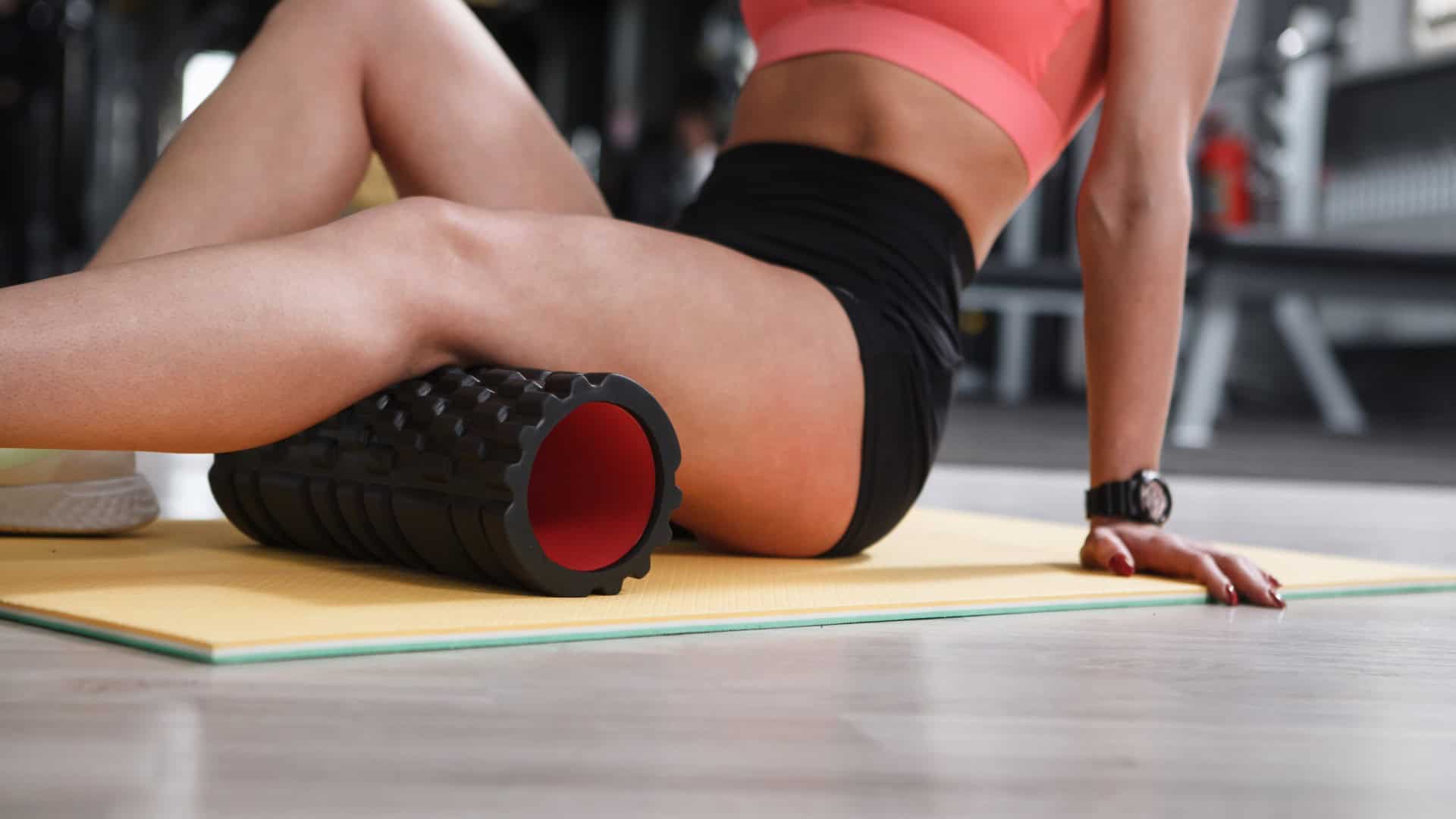
How to Recover Faster From Workouts: A Simple Recovery Day Plan
Most people have no trouble finding the motivation to push hard in the gym or grind out a long run. The hard part is slowing down. Recovery days often turn into just sitting on the couch, with no real plan behind them at all. The problem is that real progress does not…
FAQ
What is Runnit.co and what do you do?
Runnit.co is a digital publication and fitness training platform dedicated to high-performance functional fitness, hybrid athletic programming, and physical longevity. We bridge the gap between academic exercise science and real-world results by providing digital training templates, evidence-based nutritional guides, and deep-dive technical articles designed to help individuals maximize both strength and stamina simultaneously.
How does Runnit.co differ from standard fitness websites?
Unlike generic fitness blogs, Runnit.co is written by people who actually train the way we write about it. Every guide comes from testing the programming ourselves first, treating strength, endurance, and mobility as one connected problem instead of three separate topics. We’d rather hand you something specific enough to actually use than another surface-level list of tips.
How are your training programs and content delivered?
Every guide, programming template, and recovery protocol on Runnit.co is published right here on the site, free to read and follow. No sign-up, no picking a track, just find the article that matches what you’re working on and use it.
Do you offer solutions for home gyms or traveling professionals?
Yes. A core pillar of our business is developing high-density minimal-equipment and bodyweight training templates. We understand that our audience includes busy professionals and home-gym owners who cannot always access a commercial training facility, so we deliberately design scalable tracks that deliver elite physical results using minimal infrastructure.