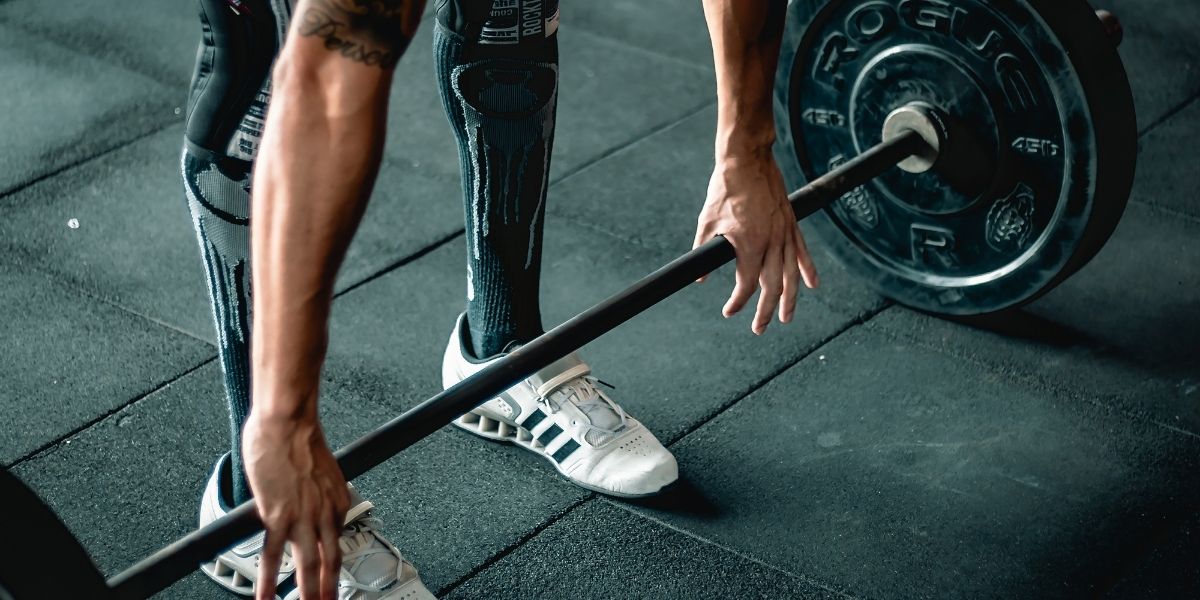
Few strength movements expose bad habits as quickly as the overhead press, since pressing weight directly above your head demands genuine full-body stability, and any weak link in that chain shows up immediately, either as poor performance or, worse, as shoulder strain.
Setting Up the Movement Correctly
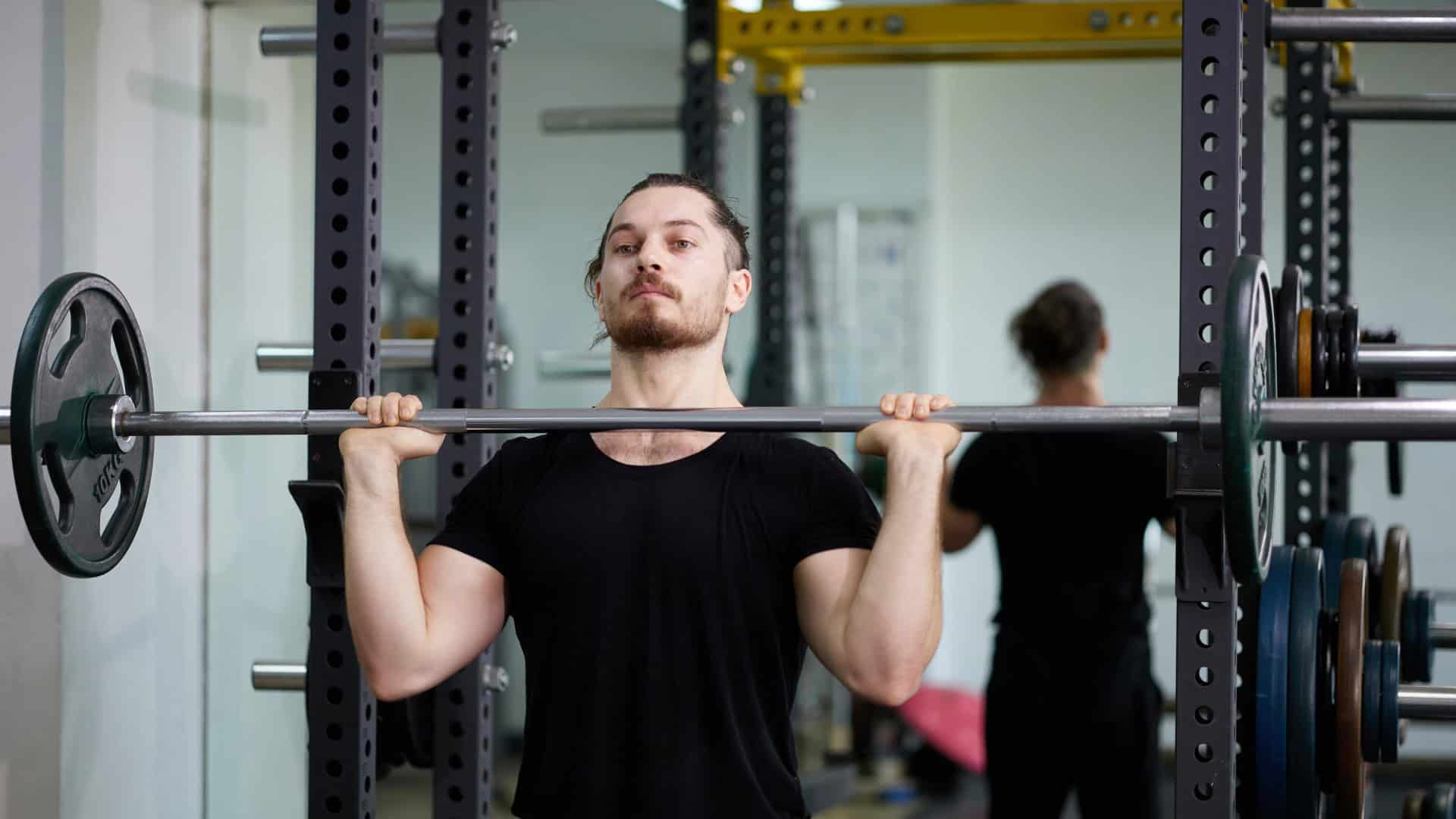
Stand with feet roughly hip-width apart, the bar or dumbbells resting at shoulder height with a narrow-ish grip that avoids flaring the elbows excessively wide. Before pressing, brace the core as though preparing to take a punch to the stomach, since this bracing is what prevents the lower back from arching excessively as the weight moves overhead.
The Press Itself
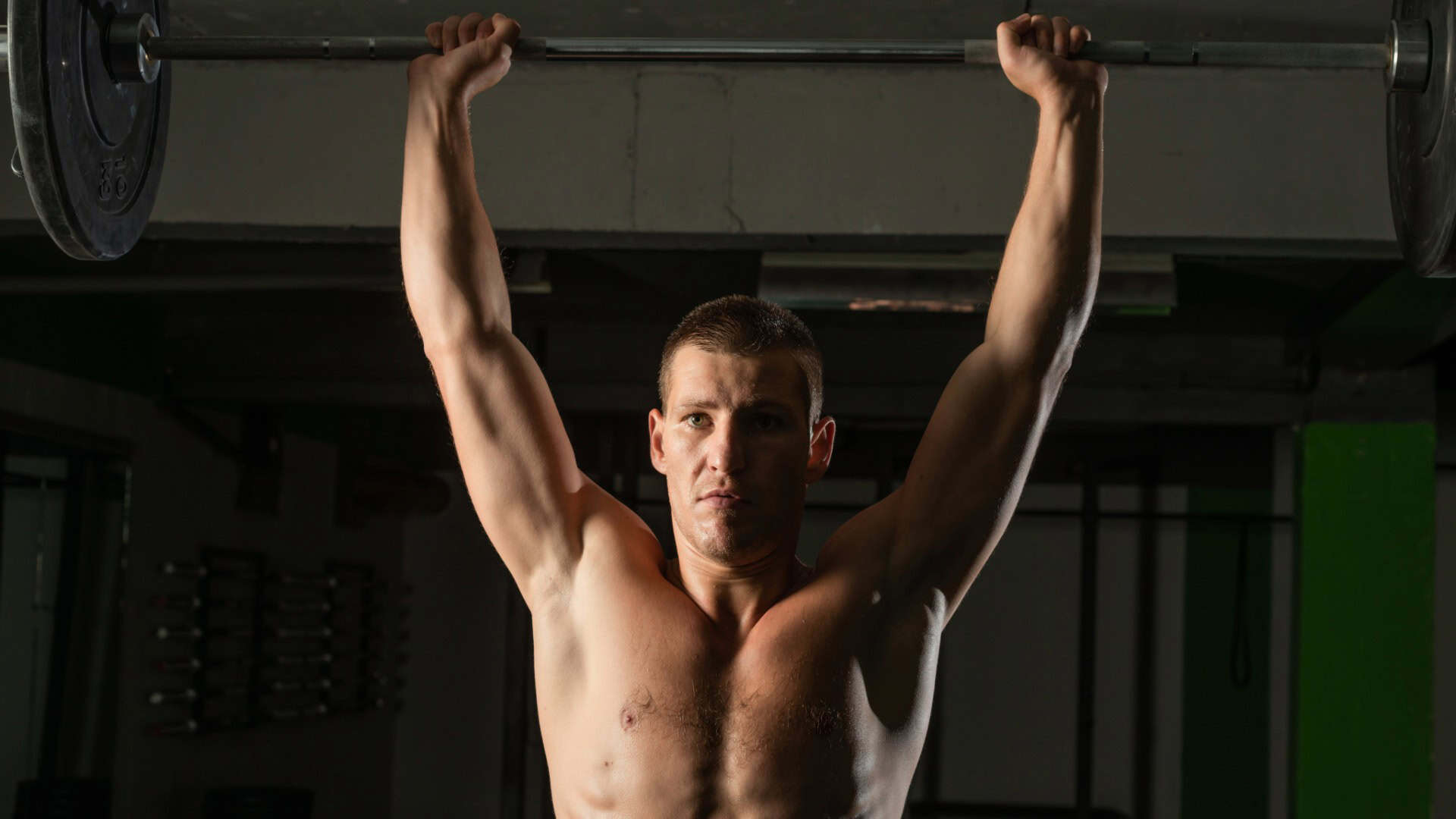
Press the weight in a straight line, keeping the bar or dumbbells close to the face on the way up rather than drifting forward, and as the weight clears your head, shrug the shoulders upward and slightly back at the very top of the movement. This top-of-rep shrug engages the trapezius and helps prevent shoulder impingement, a genuinely important cue many lifters skip entirely.
Elbow Position Matters More Than It Seems
Keeping the elbows pointed slightly forward, roughly in the same plane as your shoulder blades, rather than flared straight out to the sides, reduces unnecessary stress on the shoulder joint and creates a more mechanically efficient pressing path. This positioning also naturally keeps the load traveling in the straight vertical line the movement is built around.
Common Mistakes Worth Correcting Early
Excessive lower back arching, often a sign of insufficient core bracing or an attempt to use momentum rather than genuine shoulder strength, is one of the most common overhead press errors and one of the most important to correct before adding significant weight. Pressing the bar in an arcing path forward rather than straight up wastes mechanical efficiency and often signals shoulder mobility limitations worth addressing directly rather than working around.
When to Scale Back or Stop
Any sharp pain at the top of the pressing motion, as opposed to normal muscular fatigue, is a signal to stop the set and reassess, since forcing through genuine joint pain rather than muscular effort risks a real injury rather than simply a hard workout. Building overhead pressing strength gradually, prioritizing clean form over maximum weight, protects the shoulder joint far more reliably than chasing a heavier number before the movement pattern is genuinely solid.
Building Aerobic Capacity Alongside Strength
Overhead pressing strength is one piece of a genuinely balanced hybrid athlete’s development, and pairing it with real aerobic work matters just as much; understanding how to improve your vo2 max without sacrificing the strength gains a movement like the overhead press builds is exactly the balancing act hybrid training is built around.
Supplementation Worth Understanding
For anyone training pressing strength alongside real conditioning work, understanding whether is creatine good for runners and other hybrid athletes applies matters directly, since creatine’s strongest evidence base covers exactly the kind of short, powerful efforts a heavy overhead press session demands.
A Genuine Alternative Worth Knowing
For anyone whose shoulders do not tolerate a barbell overhead press well, a kettlebell press offers a genuinely different loading pattern that many lifters find more shoulder-friendly; this is covered directly in our guide to kettlebell workouts for men and the specific mobility considerations that make kettlebell pressing a valuable substitute rather than simply a lesser alternative.
A Word of Caution: Sharp pain at the top of the press, not ordinary muscular fatigue, is a signal to stop the set immediately and consult a qualified physical therapist or sports medicine professional before loading the movement further. Forcing an overhead press pattern the shoulder isn’t mobile enough to support is one of the more preventable ways lifters get hurt.
The overhead press builds genuine shoulder and core strength when the setup, bracing, and top-of-rep shrug are all respected consistently. Prioritize clean form over maximum weight, especially early on, and the movement rewards that patience with real, durable strength.