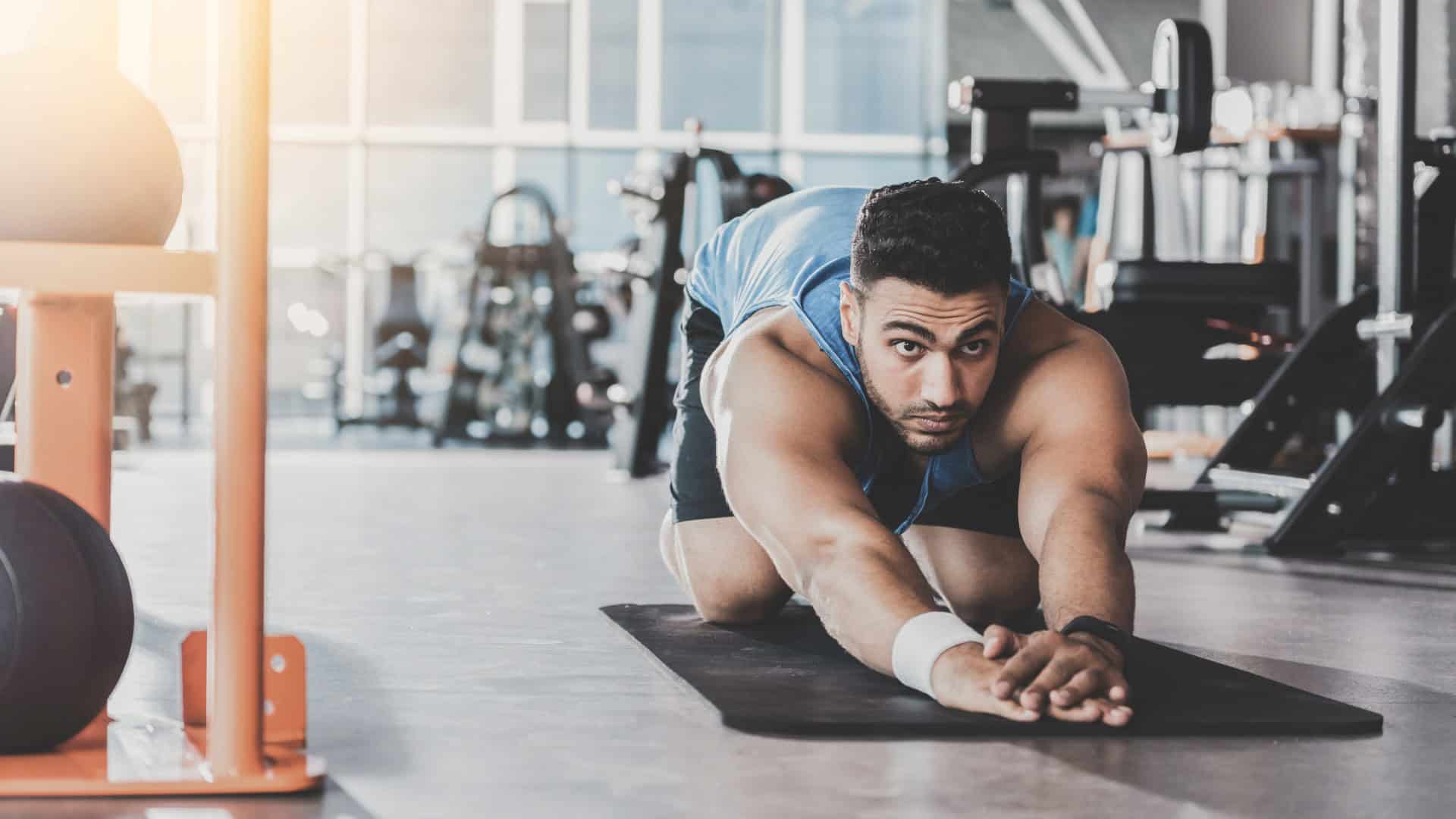
The modern fitness landscape places a massive emphasis on training volume and intensity. Gym-goers push themselves through heavy lifting sessions, intense cardiovascular intervals, and demanding athletic conditioning. However, many athletes completely neglect the other side of the performance equation: systemic down-regulation and soft-tissue maintenance.
When you continuously overload your body without actively addressing tissue quality, your muscles develop microscopic scar tissue, fascial restrictions, and trigger points. Over time, these dense areas turn into movement limitations, leading to altered biomechanics, structural energy leaks, and chronic injury risks.
While regular visits to a professional physical therapist or sports massage therapist are ideal, keeping up with consistent in-person appointments isn't always practical or budget-friendly. This guide breaks down the science-backed, high-yield mobility & recovery tools every athlete should own to manage their own soft-tissue care and maintain joint health from home.
The Science of Self-Myofascial Release (SMR)
Before purchasing an array of recovery gadgets, it is important to understand how these tools actually interact with your body. A common fitness myth claims that using a firm foam roller or a high-powered massage gun physically breaks up scar tissue or manually lengthens dense muscle fibers. In reality, the physiological mechanisms are almost entirely neurological, which puts SMR tools in the active camp of recovery techniques rather than the purely passive rest side of the equation.
Using targeted mobility & recovery tools sends a dense sensory signal to your central nervous system through specialized pressure receptors (mechanoreceptors). Your brain responds to this targeted pressure by telling the surrounding muscle spindles to reduce their resting tone, allowing the tight tissue to relax, improving local blood circulation, and temporarily expanding your operational range of motion.

The Essential Mobility & Recovery Tools Toolkit
To build a highly effective, versatile home recovery station, focus on acquiring tools that target different tissue depths, contours, and joint mechanics. Prioritize these four essential items:
1. High-Density Foam Roller (The Baseline System)
A high-density foam roller is your primary tool for addressing large, broad muscle groups like the quadriceps, upper back (thoracic spine), and IT band complex. Avoid overly soft foam options, as they compress too easily under body weight and fail to send a strong enough neurological signal. Spend 2 to 3 minutes slowly rolling tight zones before your sessions to prepare tissues for movement. Local blood flow only does so much if the tissue itself is under-hydrated, which is one more reason creatine and hydration habits tend to matter just as much as the rolling itself.
2. High-Velocity Percussion Massage Gun (The Neural Reset)
Percussion massage guns deliver rapid, targeted pulses deep into the muscle belly. This high-frequency vibration rapidly overrides pain signals, making it one of the best massage guns for recovery to quickly reduce muscle soreness (DOMS) and ease local tissue guarding. Use a low-intensity setting on the calves, hamstrings, and lats post-workout to quickly drop your nervous system into a relaxed, recovery-ready state.
3. Lacrosse Ball or Firm Mobility Ball (The Precision System)
Large rollers cannot isolate small, deep muscle groups like the gluteus medius, piriformis, or the underside of the shoulder blade. A standard lacrosse ball is dense, affordable, and perfectly contoured to target deep trigger points. Pin the ball between your body and a wall or the floor, hold pressure on a tight zone for 30 to 60 seconds, and breathe deeply until you feel the muscle release. Its small footprint also makes it one of the easiest tools to fold into a room workout kit when you're training out of a suitcase.
4. Heavy-Duty Floss Bands (The Joint Capsule Fix)
Mobility floss bands are wide, elastic latex strips wrapped tightly around a joint or muscle group (such as an ankle, knee, or elbow). Once wrapped, you perform active movements through a full range of motion for 60 seconds. This creates partial compression, forcing the underlying sliding surfaces of the tissue to shear against each other. When you remove the band, a fresh rush of oxygenated blood floods the joint capsule to restore smooth movement patterns.
Comparative Guide to Home Recovery Tools
To help you choose the ideal tool for your current physical challenges, use the comparative framework below to match your specific issue to the correct tool strategy:
| Recovery Tool | Best Target Areas | Primary Movement Benefit | Ideal Training Window |
|---|---|---|---|
| High-Density Foam Roller | Quads, IT Bands, Lats, Thoracic Spine | Improves broad fascial sliding and tissue hydration. | Pre-workout warm-up or general daily mobility. |
| Percussion Massage Gun | Hamstrings, Calves, Shoulders, Glutes | Rapidly reduces muscle soreness and eases nervous system tension. | Immediate post-workout window or recovery days. |
| Lacrosse Ball | Glutes, Plantar Fascia (feet), Pectorals | Pinpoint trigger-point release and targeted tissue care. | Evening down-regulation or desk-break resets. |
| Floss Bands | Ankles, Wrists, Knees, Elbows | Restores joint capsule space and clears fluid congestion. | Pre-workout joint prep or targeted rehab blocks. |
The High-Performance Takeaway: Tools are only as effective as the consistency behind their application. Owning the best foam rollers or advanced massage tech won't fix your movement if they stay packed away in a gym bag. Dedicate just 5 to 10 minutes a day to active tissue maintenance, listen to your body's feedback, and build an injury-resistant frame that performs at its absolute highest potential.